Sidebar

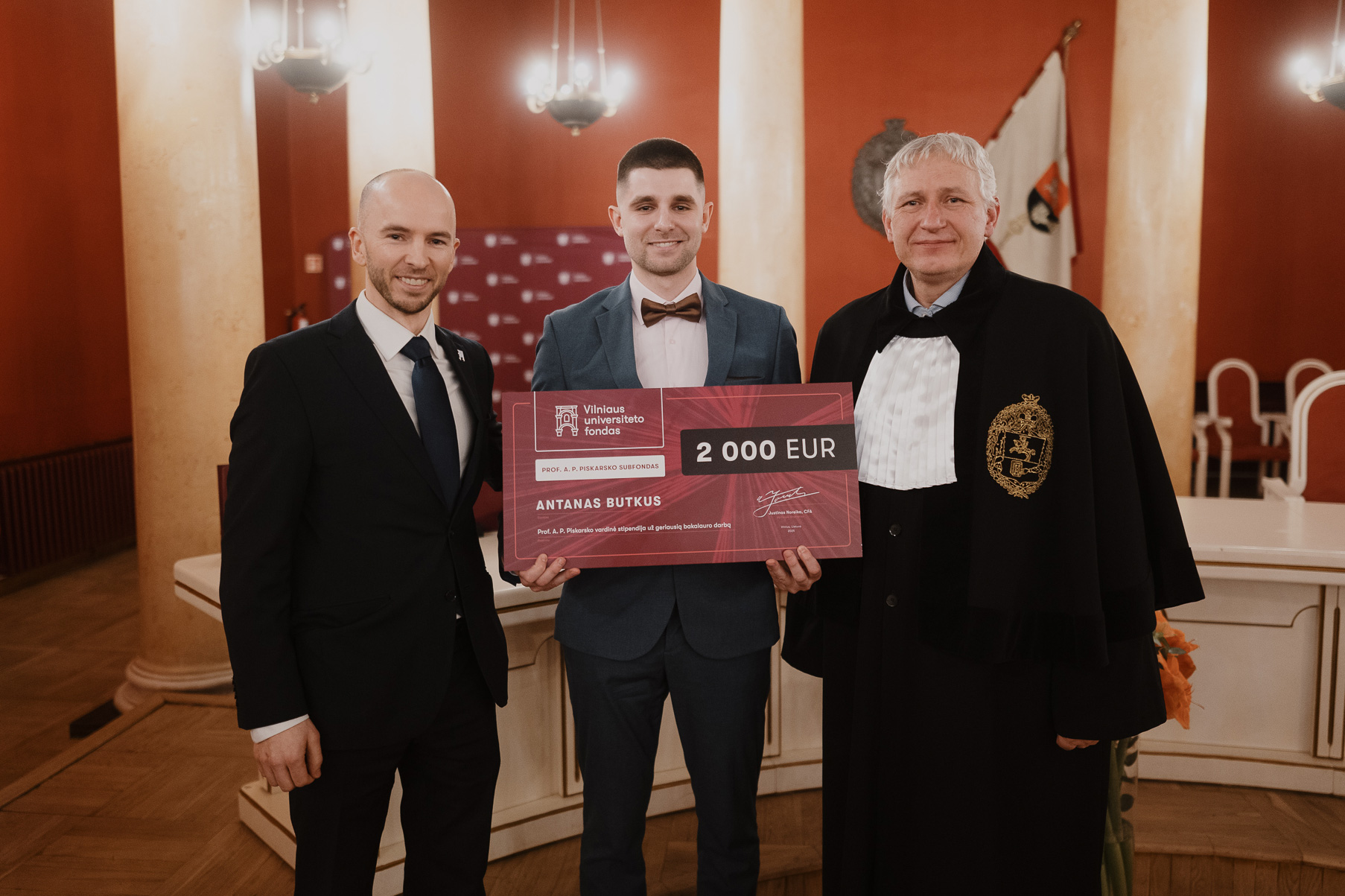
During the Vilnius University (VU) Faculty of Physics bachelor's diploma awarding ceremony, the named Professor Algis Petras Piskarskas Scholarship was presented for the first time for the best bachelor's thesis in laser physics. The prestigious scholarship was awarded to Antanas Butkus, a student of the Light Engineering study program. He was also awarded a Cum Laude diploma.

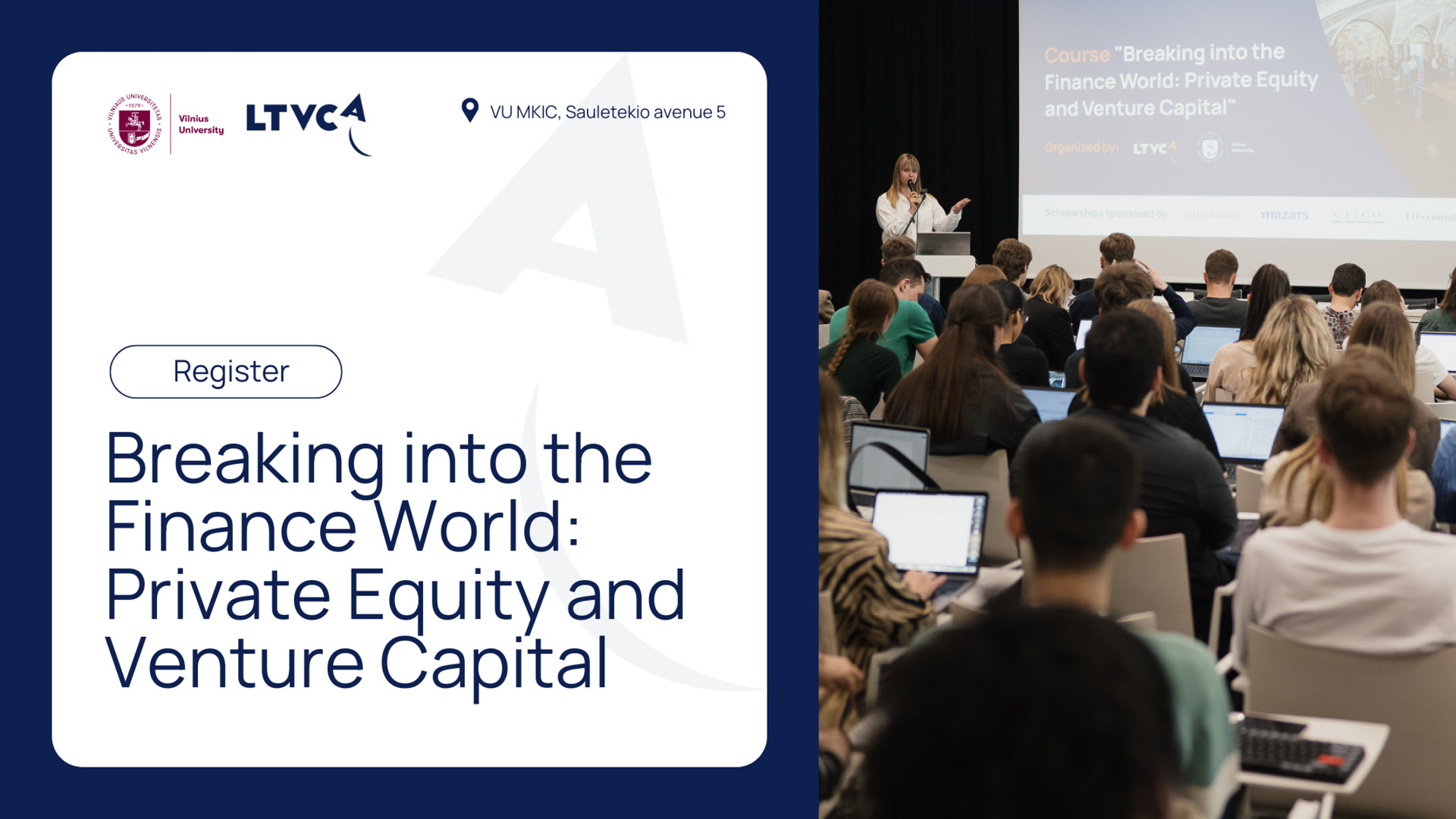
The Lithuanian Private Equity and Venture Capital Association (LT VCA), together with Vilnius University (VU), is organizing the course “Breaking into the Finance World: Private Equity and Venture Capital” for the third consecutive year. The course is open to VU students, alumni, and all players in the ecosystem.

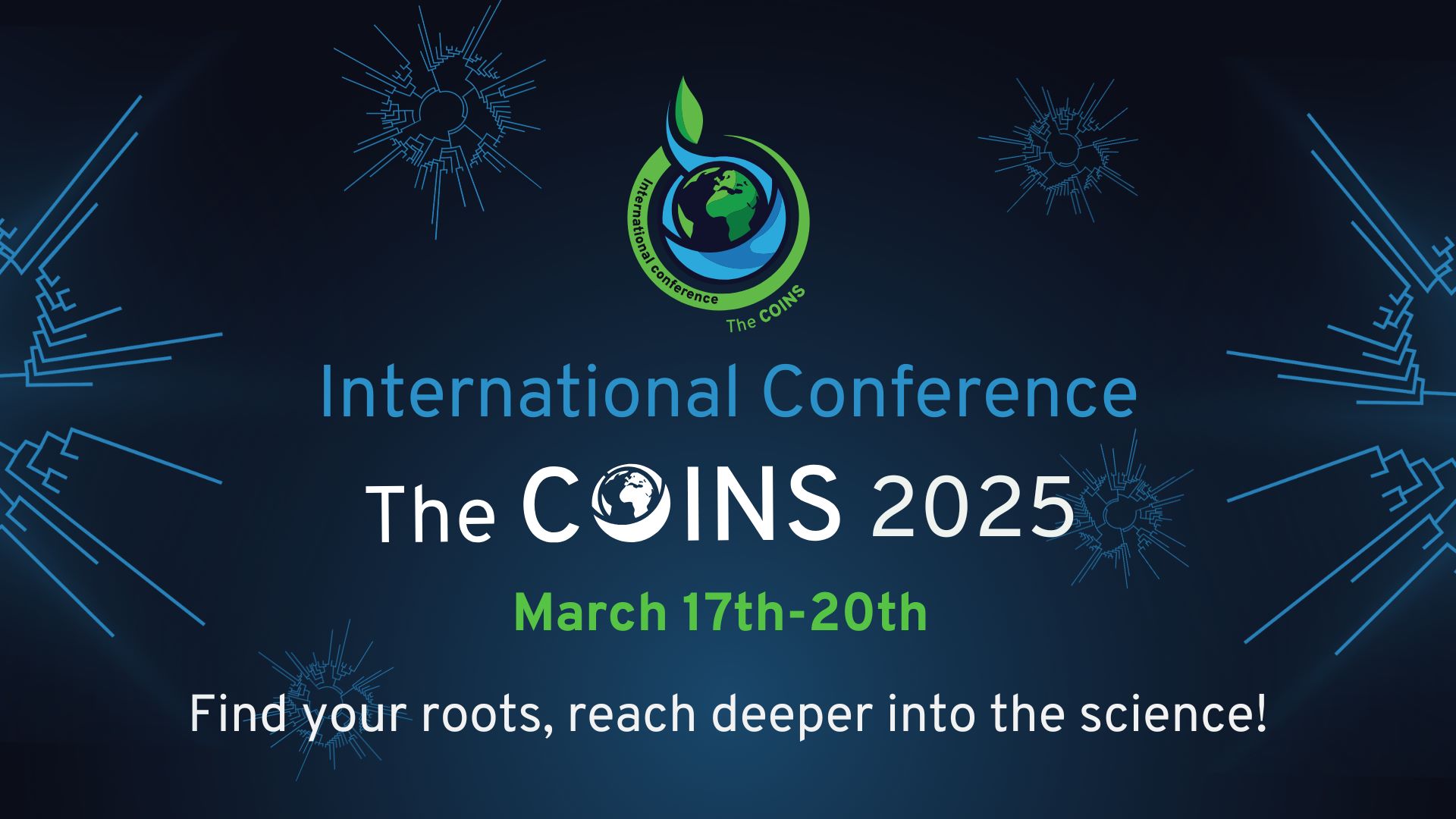
The Arqus Alliance of European Universities invites its community to apply for the Erasmus+ Blended Intensive Programme (BIP), which is based on Challenge-Based Learning (CBL). This multidisciplinary program will encompass various fields of knowledge, engaging professors, students at different academic stages (Bachelor’s and Master’s), and university staff. The programme starts at the beginning of March.

The program will delve into the causes and effects of climate change, exploring how citizens can and must mobilise to tackle these challenges and foster climate resilience.

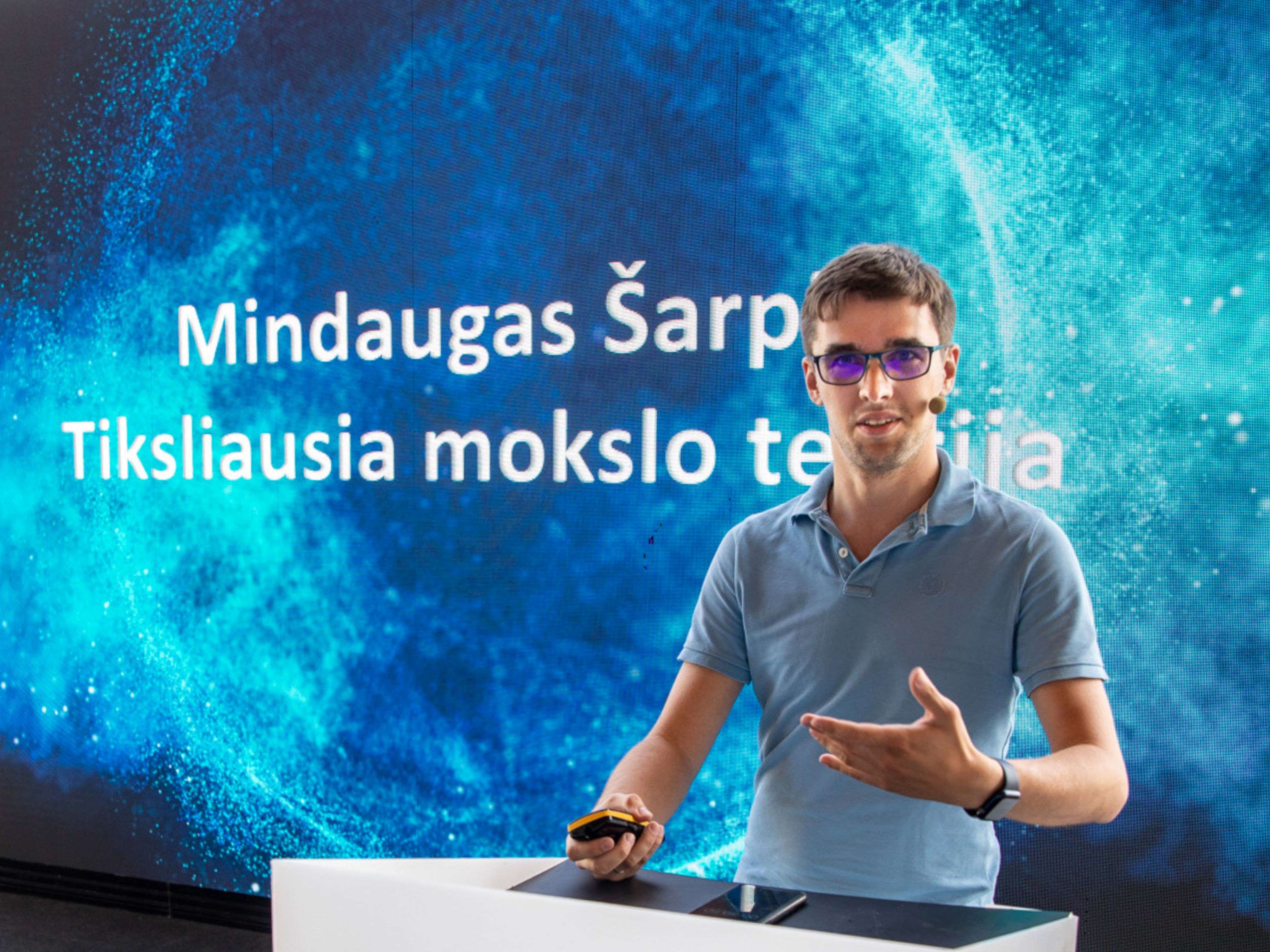
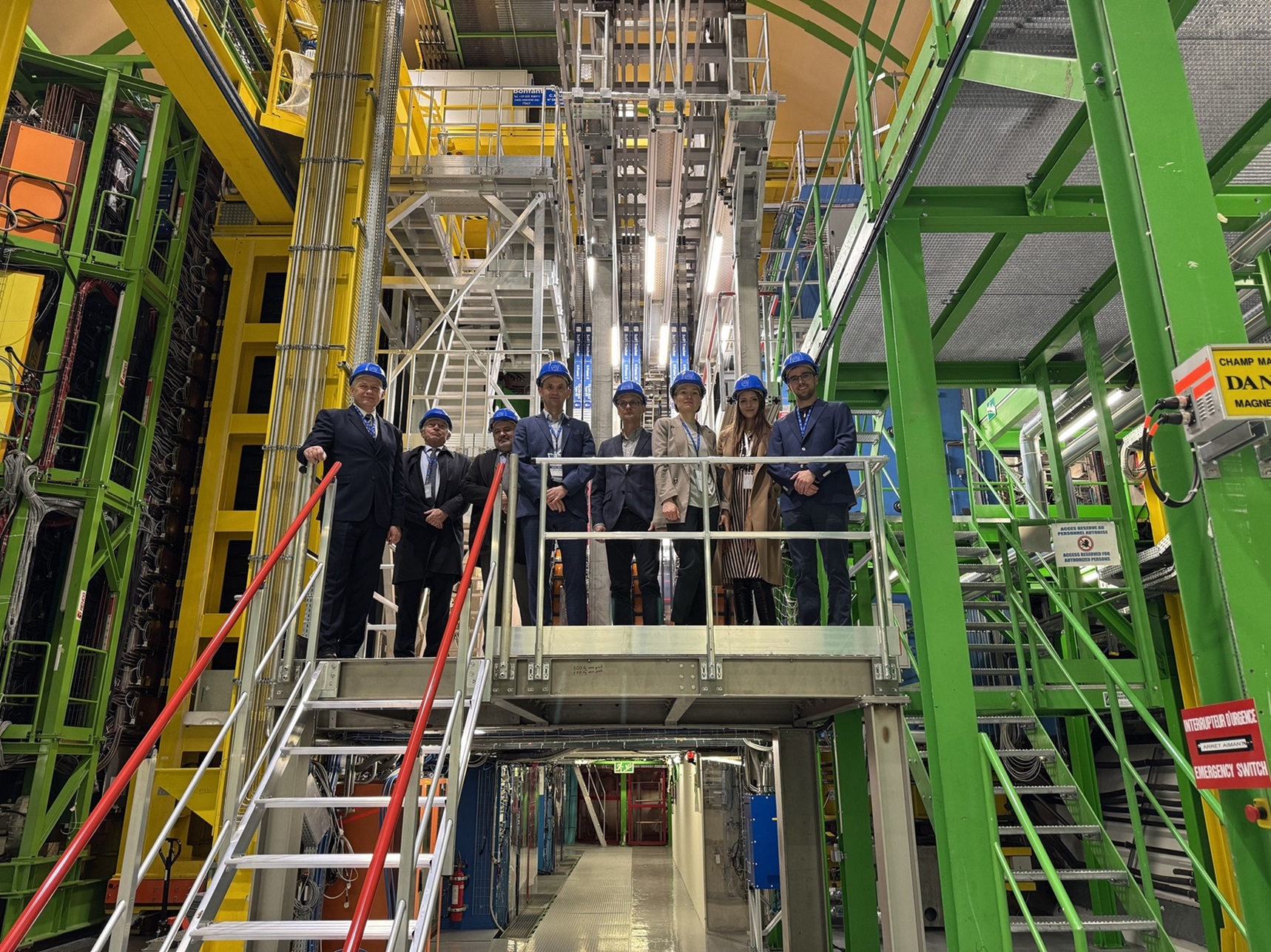
The 2024 Annual Review of the European Organization for Nuclear Research (CERN) includes highlights from the major experiments at CERN. The lead contributor to one of them is Dr. Mindaugas Šarpis, a researcher in Vilnius University Faculty of Physics and the head of CERN LHCb Vilnius - a research group for experimental particle physics.

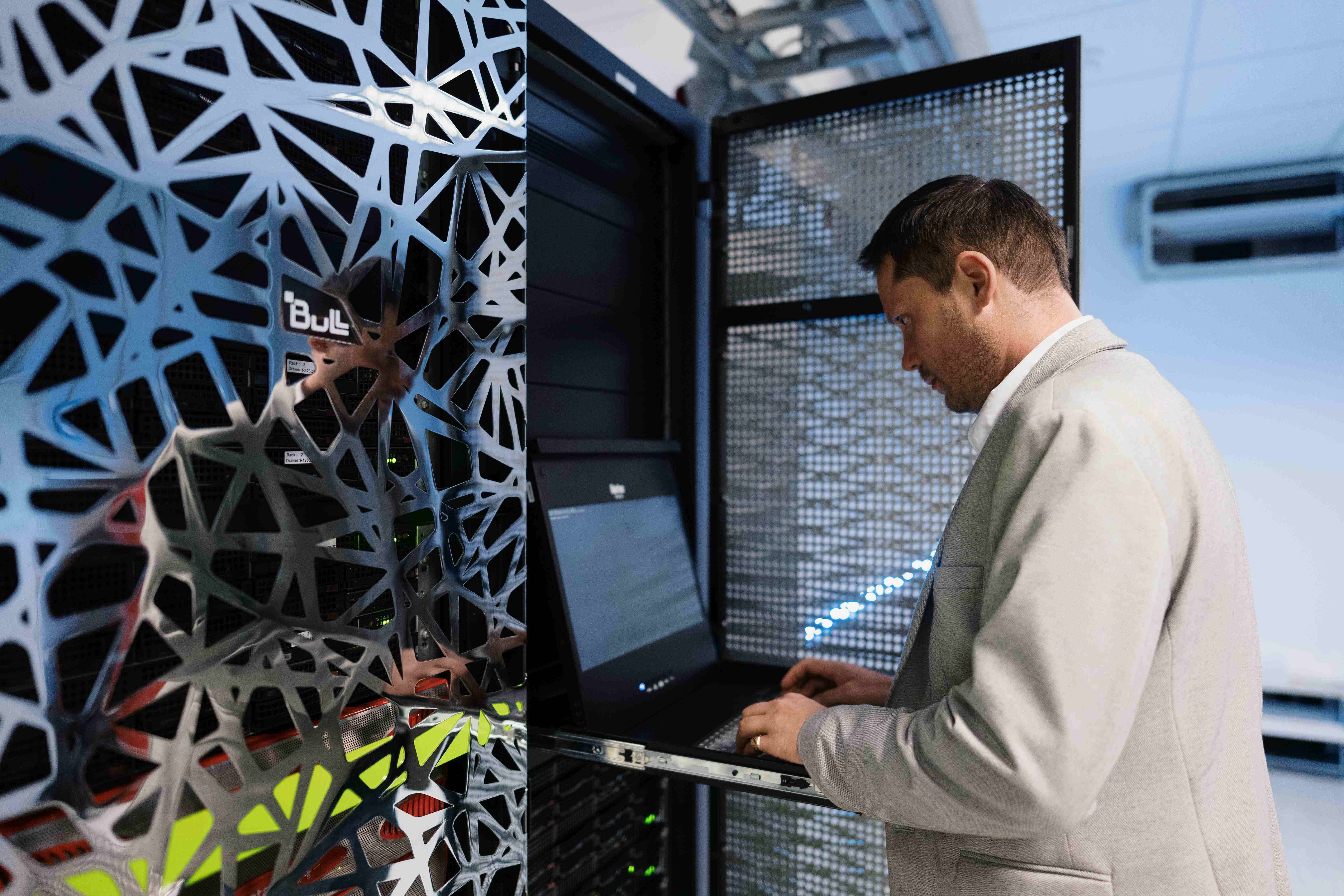
"The prestigious certificate from the EGI Federation is not only an award but also proof that the most powerful scientific supercomputer in the Baltic States is internationally recognized for its research and innovation. We hope that international cooperation will become more intensive," says Dr. Mindaugas Mačernis, researcher at the Faculty of Physics and Head of OAC "HPC Saulėtekis" and HPC Laboratory, Leader of LitGrid-HPC Infrastructure Project.
 
The Lithuanian High Performance Computing Center has been a member of the European Grid Infrastructure (EGI) since 2023. The Faculties of Physics and Mathematics and Informatics at Vilnius University are directly involved in the membership activities.

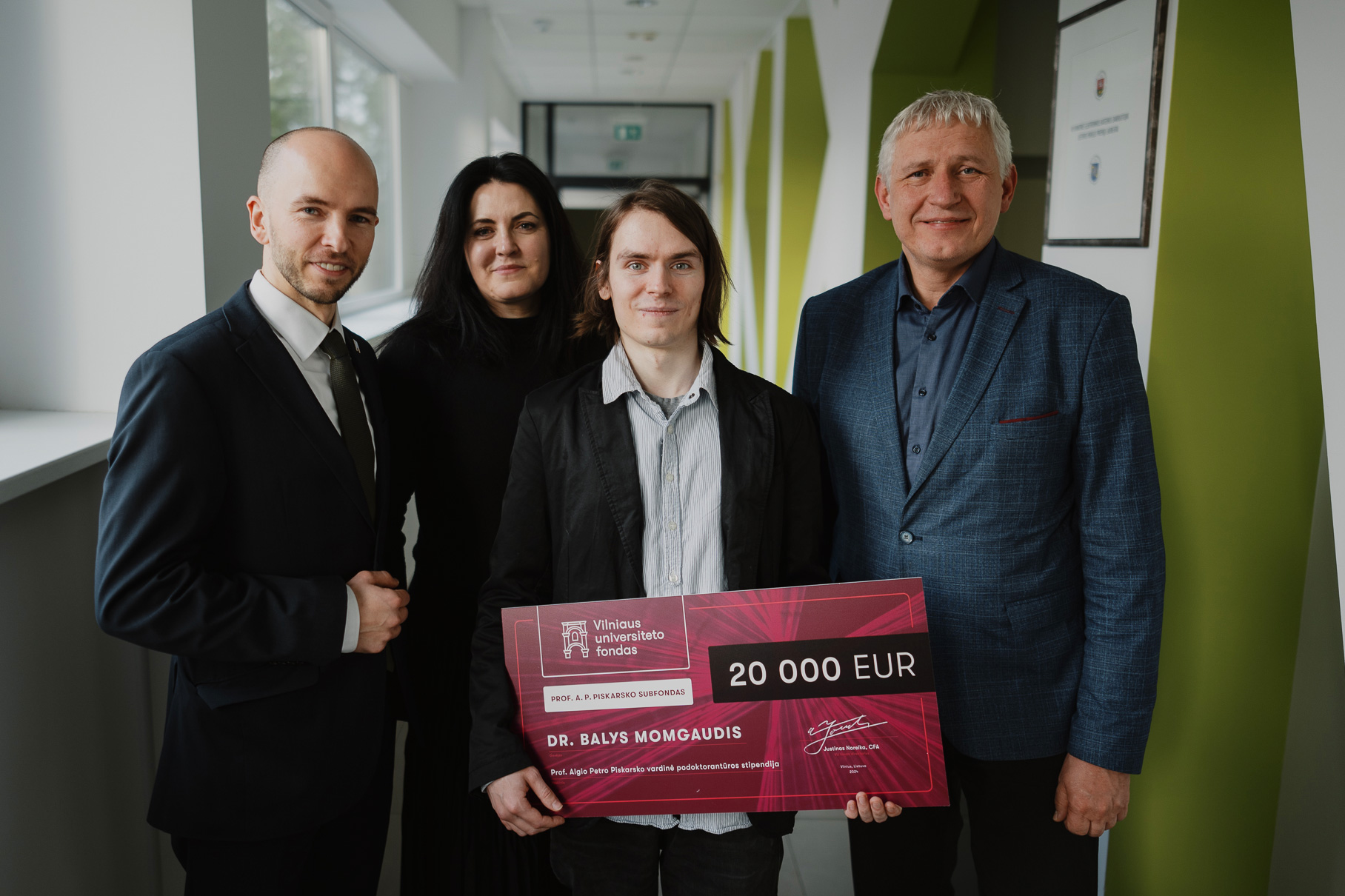
On the birth anniversary of Prof. Algis Petras Piskarskas (1942–2022), the Vilnius University (VU) Foundation, in collaboration with the VU Faculty of Physics, announced the recipient of the Prof. A. P. Piskarskas Postdoctoral Fellowship. The inaugural named fellowship was awarded to Dr. Balys Momgaudis, a researcher at the VU Laser Research Center. The talented laser physics researcher was awarded a €20,000 named fellowship.

Patrik Ščajev, a senior researcher at the Faculty of Physics of Vilnius University (VU), in collaboration with colleagues from the US, has published an article in the prestigious journal "Advanced Energy Materials". The research team applied an innovative method that has been advanced at VU and offered new insights into replacing silicon in the creation of more efficient and affordable solar cells.

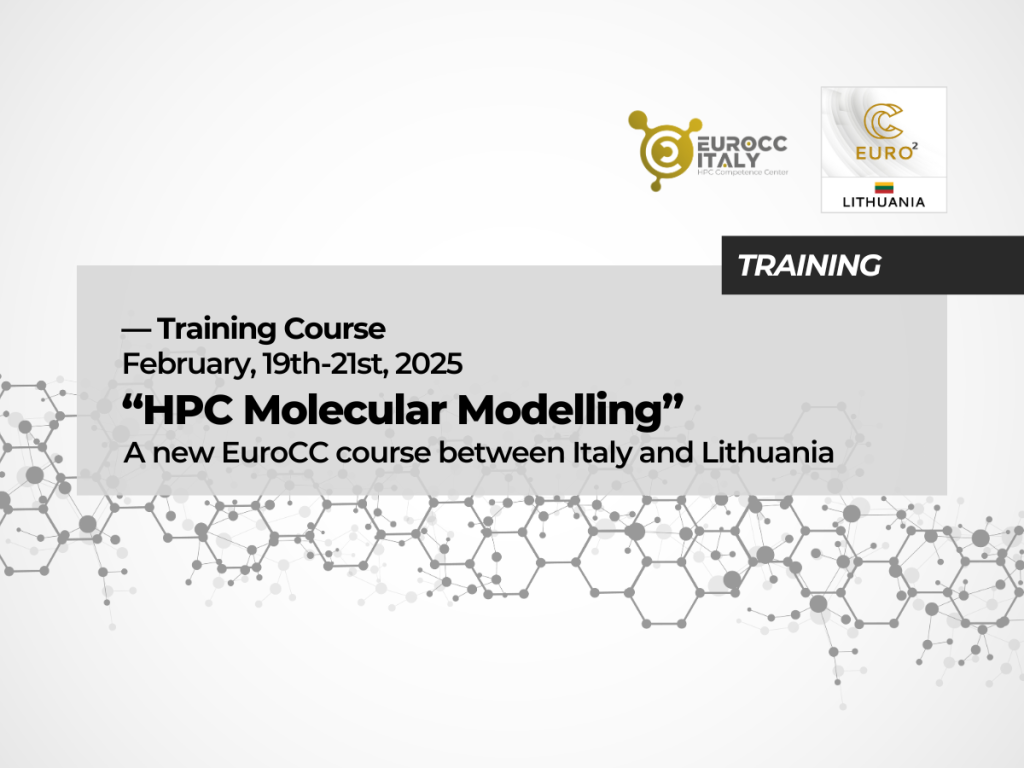
In the wake of collaborations between national European research centers, a new course promoted by EuroCC Italy and EuroCC Lithuania has been established: “HPC Molecular Modelling“, scheduled from February 19th to 21st, 2025, in streaming mode.

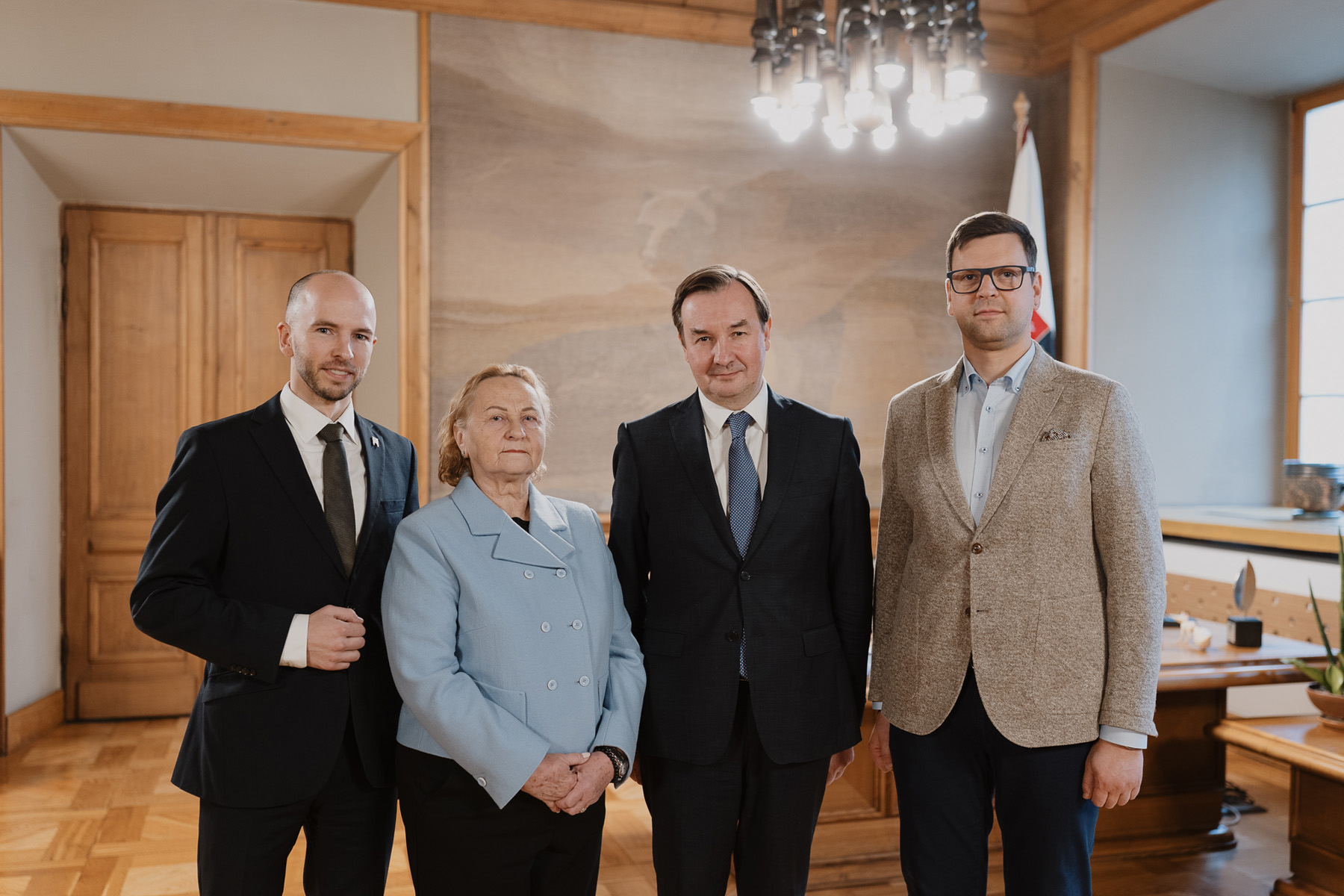
Philanthropists Irena and Algirdas Juozapavičius have allocated €1.3 million from the inheritance of their late son to the Vilnius University (VU) Foundation. In memory of their son, a €1 million sub-fund named after Mantvydas Juozapavičius (1976–2023) has been established within the VU Foundation. One hundred thousand euros each has been allocated to the VU Life Sciences Center sub-fund, the Professor Algis Petras Piskarskas sub-fund, and to strengthen other VU Foundation initiatives. 

In the webinar SIESTA: a DFT code for large scale computational materials science in HPC environments, SIESTA founder Pablo Ordejón will share insights into the challenges and opportunities of computational materials science. He will explain how SIESTA, the tool he developed, enables the modelling of large atomic systems and how it adapts to today's and tomorrow's HPC environments. You will also learn about the further development of SIESTA and its application in scientific computing.

Date: December 11 d. 12:00–13:00 (EET)