

Vilnius University (VU) Faculty of Physics PhD student Eulàlia Puig Vilardell, who is pursuing a joint doctorate between VU and the University of Tartu, completed a research internship at Swinburne University of Technology in Melbourne, Australia. During her stay, she visited the research group of Professor Saulius Juodkazis, Head of Nanotechnology Research Facility and VU adjunct research professor. This specialised facility is a world-class research institution, where she built international connections and investigated how a very advanced class of materials – high-entropy alloys (HEAs) – respond to extremely fast femtosecond laser pulses.
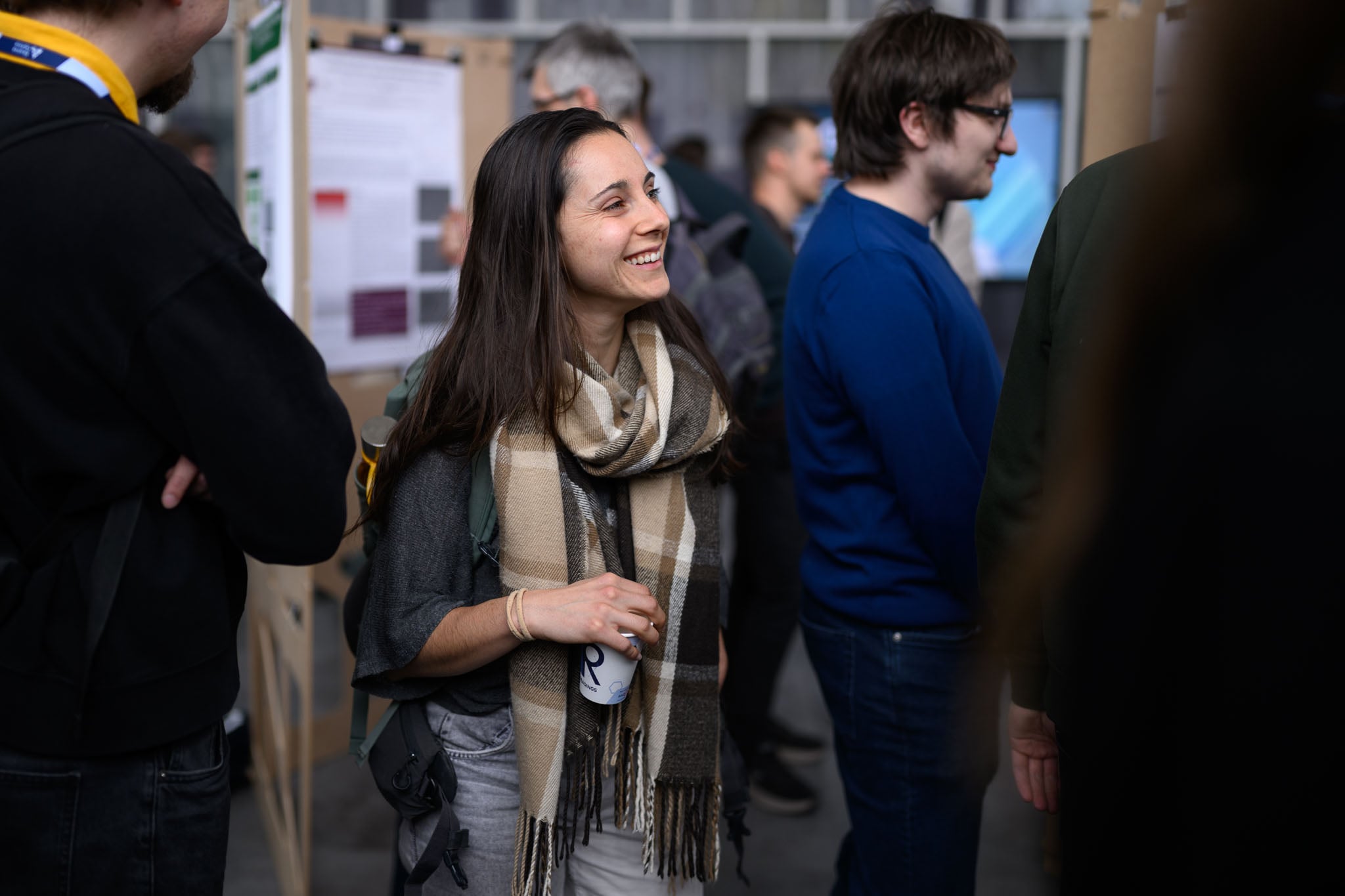
Decoding a new class of advanced materials
E. Puig Vilardell studies ultrafast femtosecond laser fabrication and its applications for advanced imaging technologies. Her research focuses on materials suitable for mid- and far-infrared optical applications, such as infrared microscopy, thermal cameras or night vision.
“At Swinburne, the main project I worked on aimed to investigate the optical properties of thin films made from a novel class of materials known as High Entropy Alloys, and to understand how these materials respond to ultrashort laser pulses,” says E. Puig Vilardell.
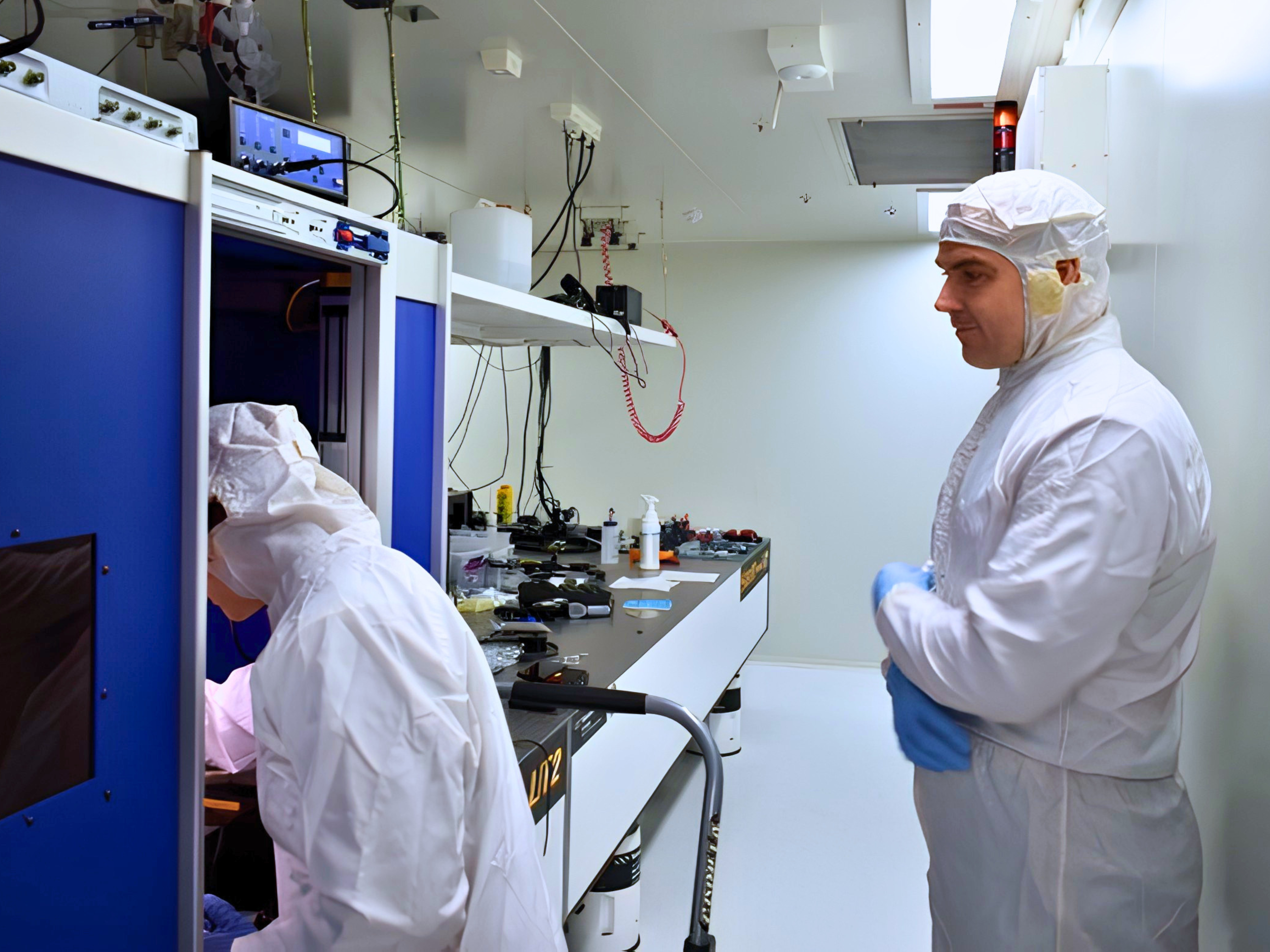
Photo from personal archive.
HEAs are a relatively new class of materials whose optical properties are still not fully understood. Some call them super-metals, since they mix four or more different metals together.
“These materials are composed of multiple principal elements in similar amounts. Unlike conventional alloys, the elements remain mixed within a single crystal structure rather than separating into different regions. They are attracting increasing interest due to their combination of properties, including high hardness, compositional and flexibility. Exploring how these materials interact with light and trying to understand the relationship between their composition, optical behaviour, and response to laser irradiation was a very interesting and rewarding scientific challenge,” explains the young researcher.
International interdisciplinary experience
During the internship, E. Puig Vilardell had the opportunity to work in a different research environment, experience a new way of approaching scientific problems, and use specialised facilities and equipment.
“Through this internship, I gained further experience in femtosecond laser processing and advanced optical characterisation techniques. I developed a deeper understanding of the mechanisms involved in high-intensity light–matter interactions and how they can be used to study and modify the properties of materials.
The experience is closely connected to my doctoral research, as the knowledge acquired will support my work on the development and optimisation of optical components for infrared technologies. It also allowed me to expand my experience in interdisciplinary research, combining concepts from physics, materials science, and optical engineering,” concludes the PhD student.
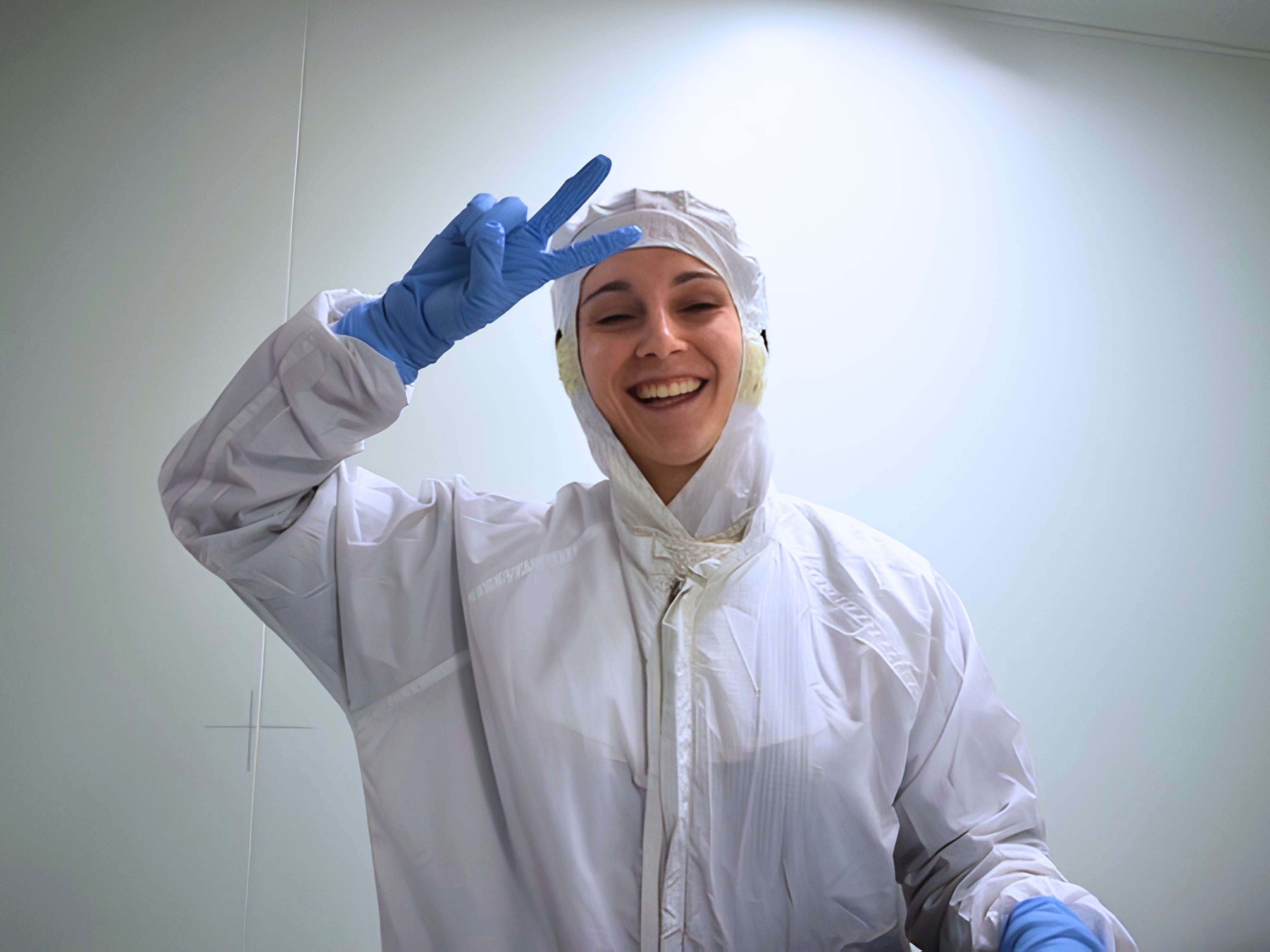
Photo from personal archive.
The academic trip was funded by the Research Council of Lithuania. The purpose of the funding is to enable doctoral students to enhance their academic qualifications by participating in events held abroad, to increase their international mobility, and to support the international dissemination of Lithuanian research results.