

“Being part of this community has been instrumental in shaping my development as an experimental physicist,” says Seda Türkcan, a student from İstanbul, speaking about her academic journey at Vilnius University (VU). She just finished her master’s degree in the Photonics and Nanotechnology program at the VU Faculty of Physics and will be pursuing a PhD here as well. Here is her story of pursuing her passion for physics, developing as a researcher, and finding opportunities to grow academically at Vilnius University.
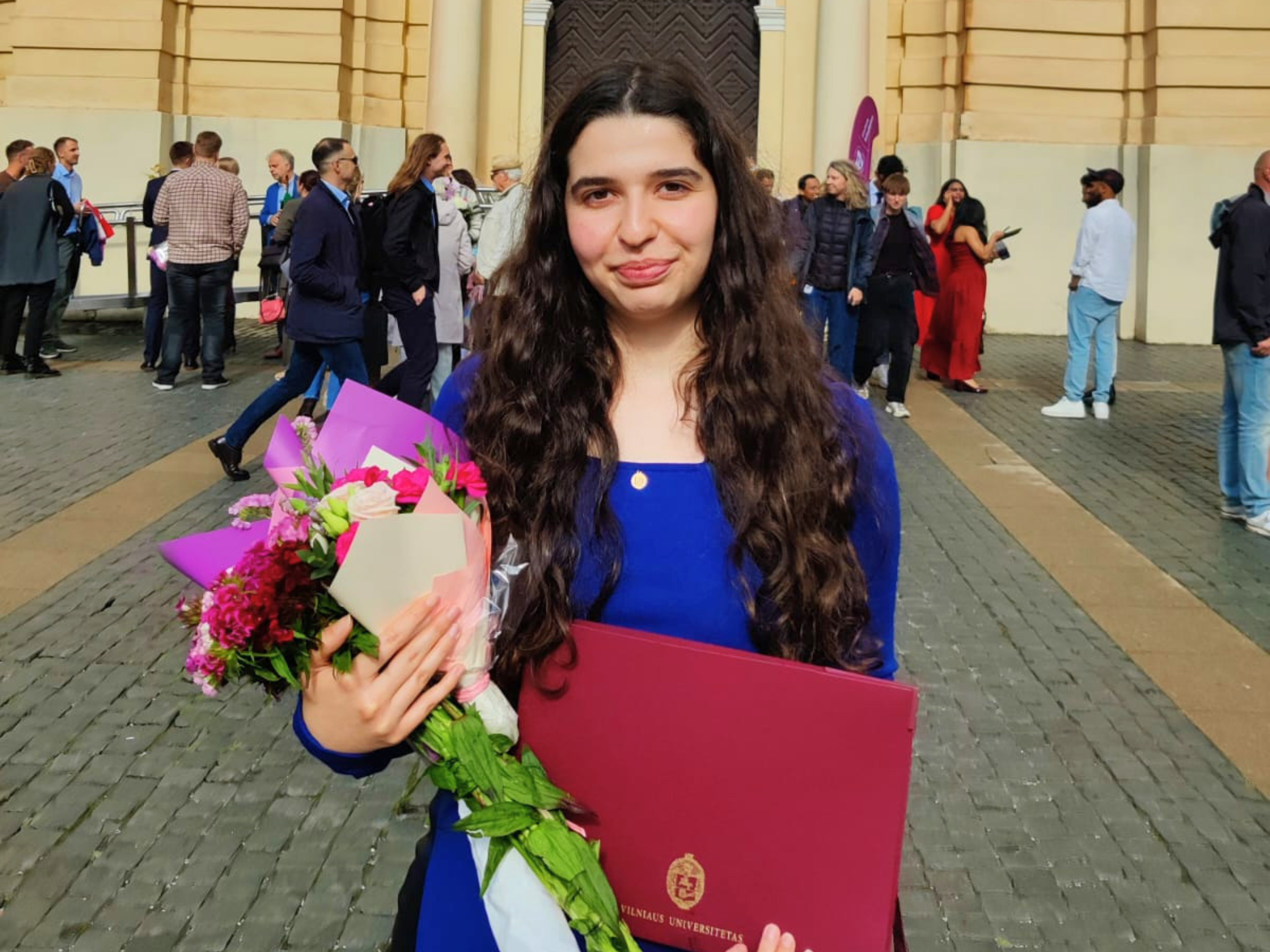
Seda Türkcan. Photo from personal archive.
Striving to be a physicist
Türkcan’s interest in STEM fields emerged when she was 14. It all started with popular science books that sparked a deep curiosity about how the universe works.
“Physics appealed to me because of its fundamental nature, as it seeks to explain the underlying principles governing all phenomena. I envisioned becoming a physicist early on, as I believed that studying physics would provide the most comprehensive understanding of how everything functions at its core,” says the student.
This motivation led her to apply to physics and mathematics programs at well-regarded universities in Turkey. She enrolled in the physics program and later pursued a minor in mathematics.
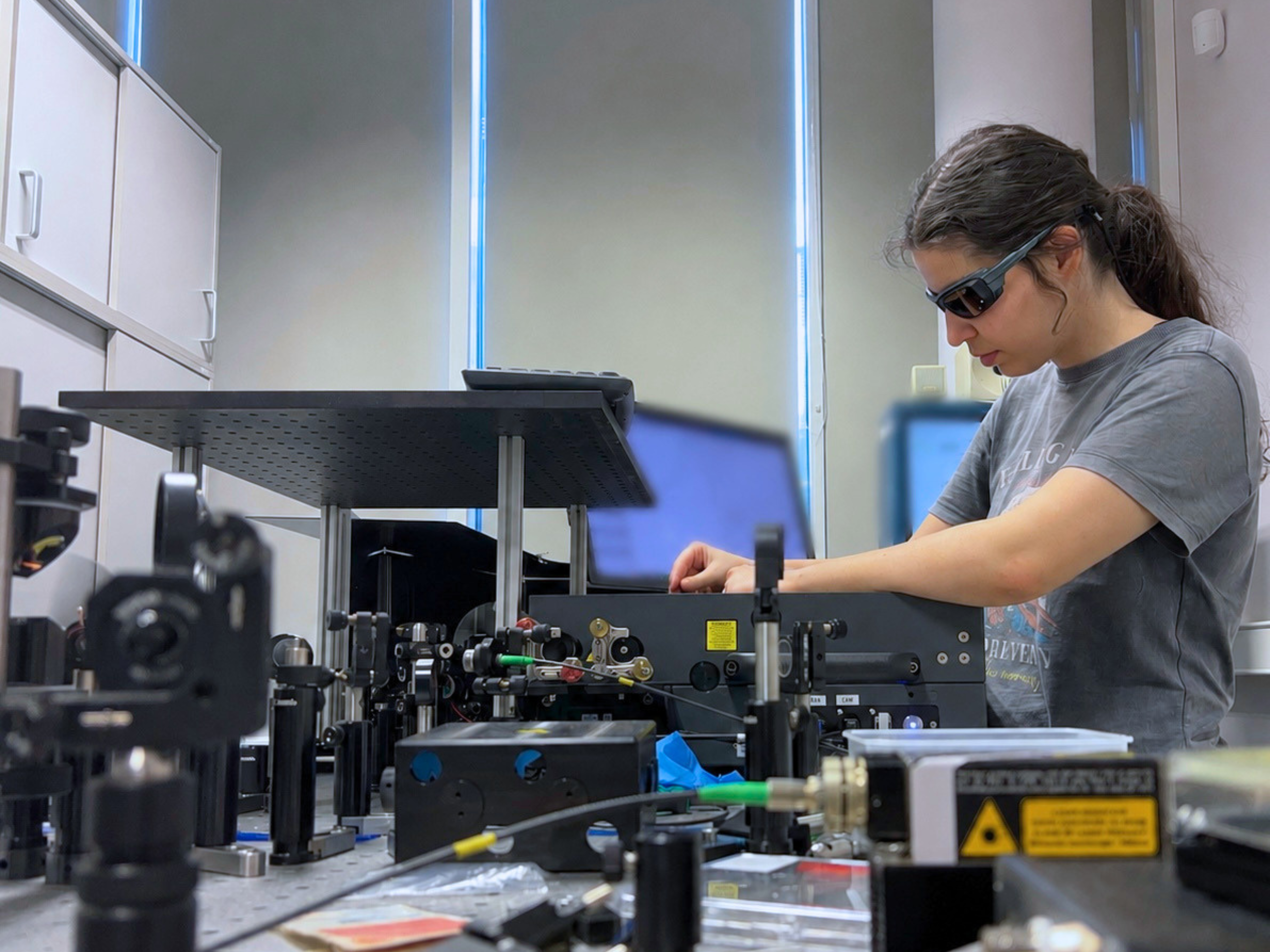
Seda Türkcan. Photo from personal archive.
From İstanbul to Vilnius
During her third year of bachelor studies, Türkcan pursued her long-standing goal of studying abroad and exploring broader academic horizons. While searching for prospective academic institutions, VU stood out immediately.
“After researching its Light Engineering program and academic focus, I realised that its strengths in optics and photonics closely aligned with my academic interests. So, in my final undergraduate year, I spent one semester at Vilnius University as an Erasmus student.
I was really impressed by the depth of the lectures and the expertise of the professors in their respective fields. Having access to advanced material characterisation techniques, specialised research equipment, and well-equipped laboratories motivated me to extend my stay here to conduct the experimental part of my bachelor’s thesis at VU. My research focused on carrier dynamics in Multiple Quantum Well Indium Gallium Nitride (MQW InGaN) structures – nanostructures that make modern blue LEDs possible, a key technology behind today’s displays and energy-efficient lighting. This provided me with valuable hands-on experience in semiconductor physics and optical characterisation techniques,” explains Türkcan.
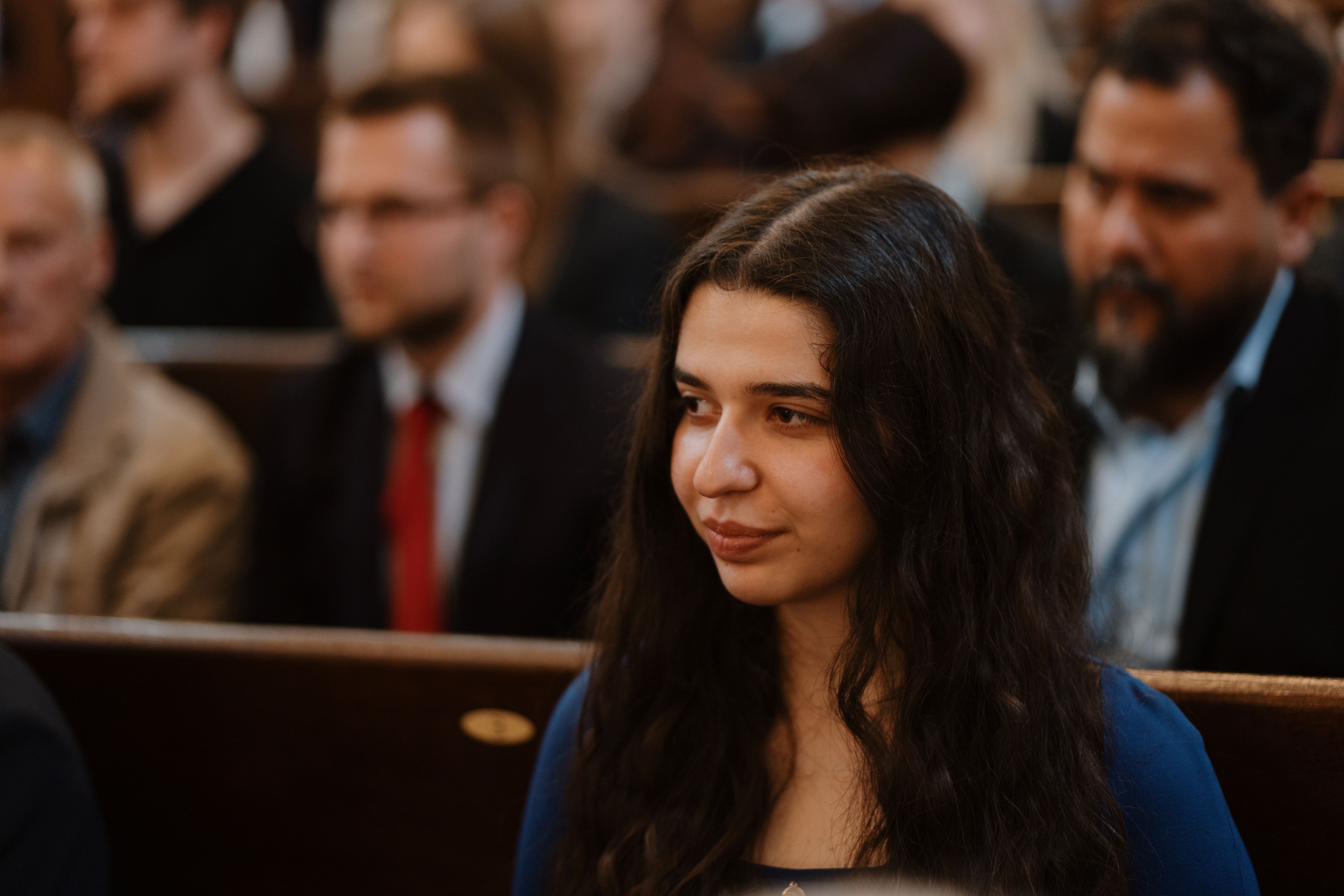
Seda Türkcan. Photo by Ugnius Bagdonavičius.
Research at Vilnius University
Recognising the strength of the program and the advanced research infrastructure at VU, she decided to pursue a master’s degree here. Her research focused on the characterisation of semiconductor materials, particularly through quantum efficiency measurements and ultrafast optical spectroscopy techniques.
She used advanced laser techniques to track how particles move inside these materials, helping her understand how semiconductor materials respond to light on extremely short timescales, providing valuable insights into their optical properties.
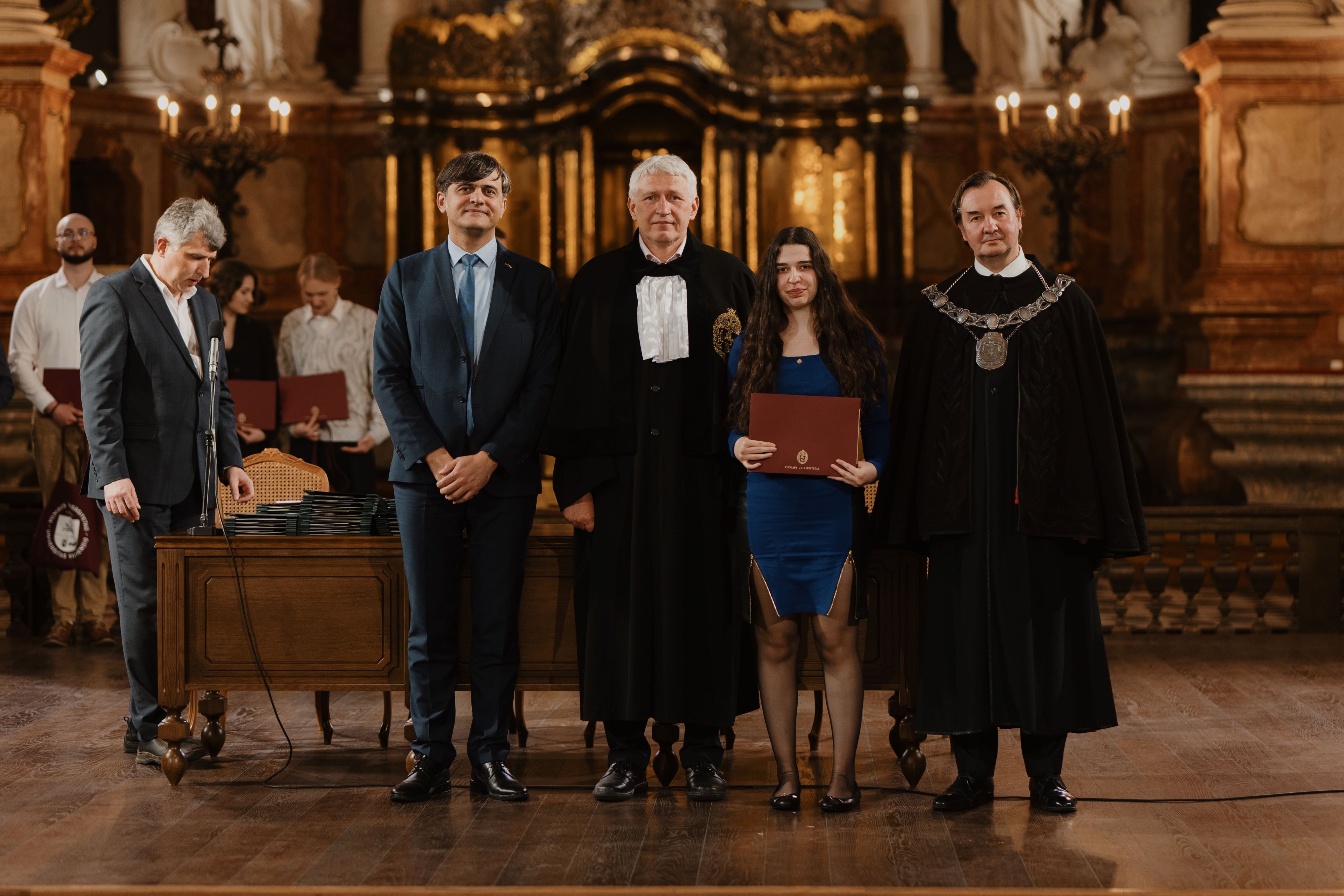
Seda Türkcan. Photo by Ugnius Bagdonavičius.
“VU provides outstanding opportunities for physics students, with access to advanced microscopy and spectroscopy systems, as well as a wide range of characterisation techniques, especially in my field of optics and materials science. I also had the chance to observe laboratory work in other areas of physics, which gave me a broader perspective on the university’s resources and research environment. Being part of this community has allowed me to gain hands-on experience with advanced experimental techniques in optics and materials research,” concludes Türkcan.