

Students from the Faculty of Physics at Vilnius University (VU) spent July gaining international experience in Taiwan. Undergraduate, master’s, and PhD students from a range of study programmes took part in the Taiwan-Europe Semiconductor Short-term Training Programme.
Delivered in parallel two- and four-week formats, the programme included specialised courses at National Taiwan University (NTU), National Cheng Kung University (NCKU) and the Taiwan Semiconductor Research Institute (TSRI).
Alongside their academic training, participants visited leading research and industrial centres, explored Taiwan’s semiconductor ecosystem and gained hands-on practical experience in one of the world’s foremost semiconductor hubs.
Students in Taiwan. Photo from personal archive.
An in-depth introduction to semiconductors
In Taipei, participants in the course Design Trends and Technological Transformations in Semiconductor at National Taiwan University gained a comprehensive introduction to semiconductor technologies. According to Akvilė Paskačimaitė, Photonics and Nanotechnology master’s student, the first two weeks provided a strong foundation in the semiconductor industry, emerging technologies and their practical applications. The knowledge acquired proved invaluable during the following weeks, when the programme moved to Tainan and Hsinchu. There, at the Taiwan Semiconductor Research Institute (TSRI), students continued their training across three specialised programme tracks, deepening their expertise in their chosen fields.
“The lectures were an excellent experience. We had the opportunity to get to know laboratory directors more closely and establish valuable professional connections. The professors not only shared their scientific expertise with us but also spoke about their laboratory work, the challenges they face, their achievements, and the successes of both current students and alumni. We also collaborated on team projects throughout the programme, which concluded with the presentation of our final project,” she said.
Students deepened their knowledge of integrated circuit (IC) design, silicon photonics, electronic design automation (EDA) technologies, analogue and digital microchip development, and the application of artificial intelligence in the design of next-generation semiconductors.
Students in Taiwan. Photo from personal archive.
Paskačimaitė and PhD student Mantas Migauskas chose the Advanced Packaging Technologies & Practice course, which provided an introduction to semiconductor manufacturing principles, process control, laboratory equipment and advanced chip packaging technologies.
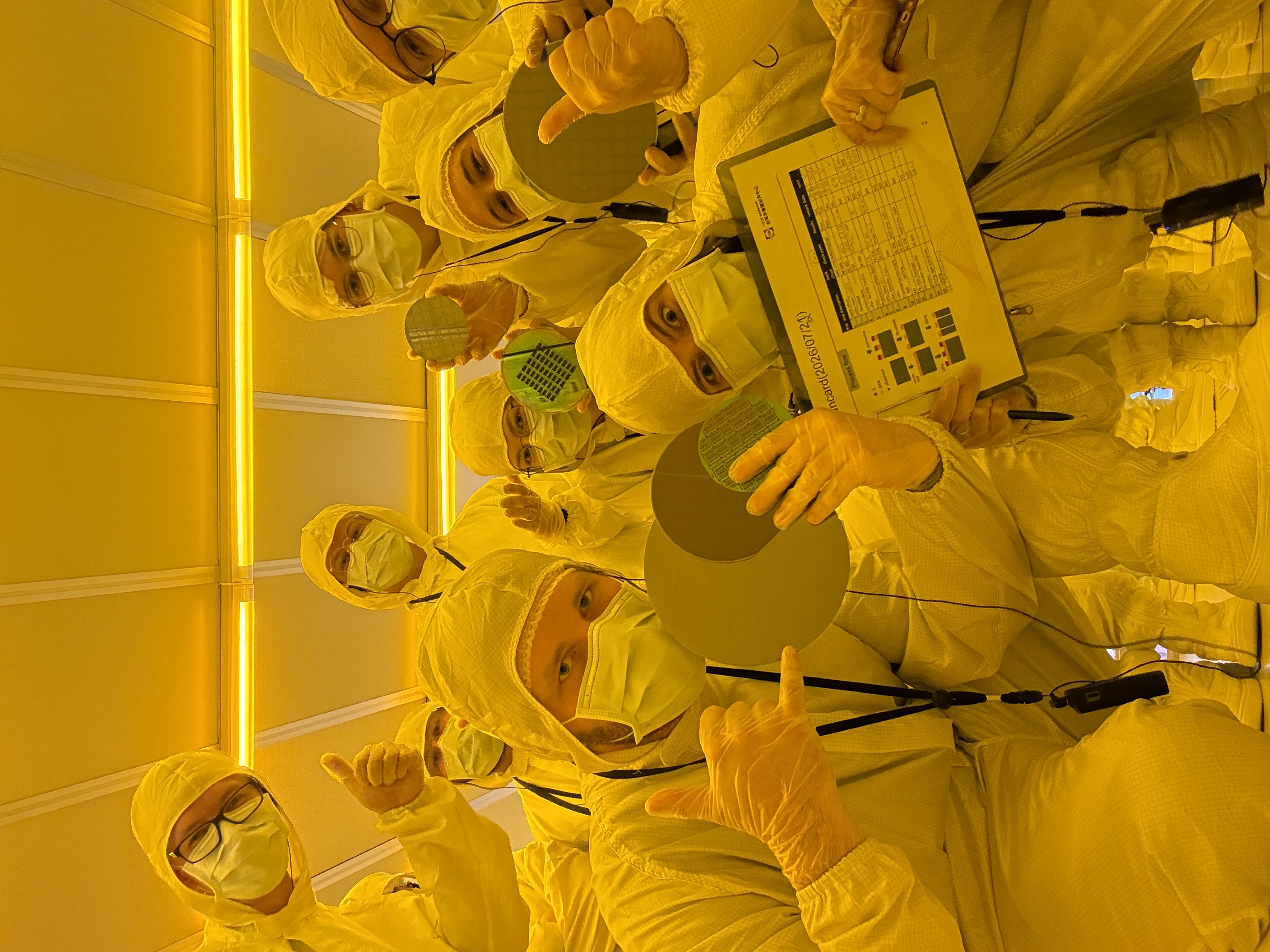
“We spent most of the programme in cleanroom laboratories, where we had the opportunity to observe these processes first hand and gain practical experience of how they are carried out. Working with specialised equipment helped us better understand the sequence of manufacturing processes and their importance in ensuring the final product's quality. We also completed a simplified chip fabrication process ourselves in the laboratory. This experience provided valuable practical insight into advanced semiconductor device manufacturing and packaging technologies,” said the master’s student.
During the course, students explored the key stages of semiconductor manufacturing, including photolithography, etching, thin-film deposition, wafer thinning, wafer dicing, and chip bonding.
“At TSRI, I learned about cleanroom protocols, semiconductor manufacturing technologies and equipment. I believe this knowledge will be valuable in the future, whether contributing to the growing semiconductor industry in Lithuania or pursuing opportunities abroad,” said Matas Garbėnas, VU student of Electronics and Telecommunications Technologies.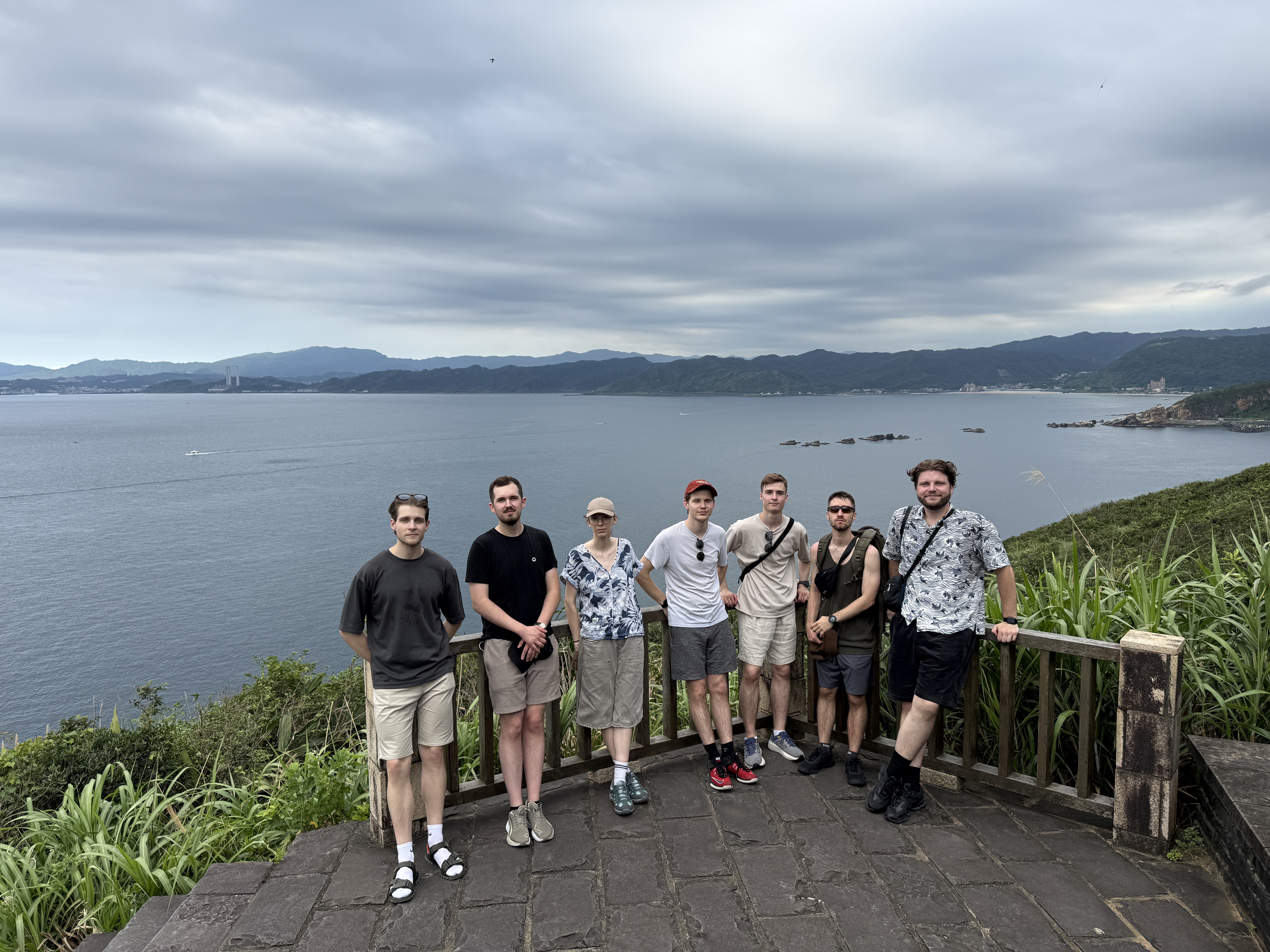
Students in Taiwan. Photo from personal archive.
Culture, nature and unexpected discoveries
Throughout the programme, students not only attended lectures and developed practical skills, but also gained a deeper understanding of Taiwan’s history, culture, cities and natural landscapes.
“We visited the Shung Ye Museum of Formosan Aborigines, where we learned about the history of Taiwan’s Indigenous peoples, explored everyday artefacts and listened to traditional songs. Alongside learning about Taiwan’s cultural heritage, we gained firsthand insight into its technology sector. We visited Hsinchu Science Park and TSMC, the world-leading semiconductor manufacturer. We were also allowed to visit and gain practical experience in the cleanroom facilities of the NTU MEMS Research Center,” Paskačimaitė said.
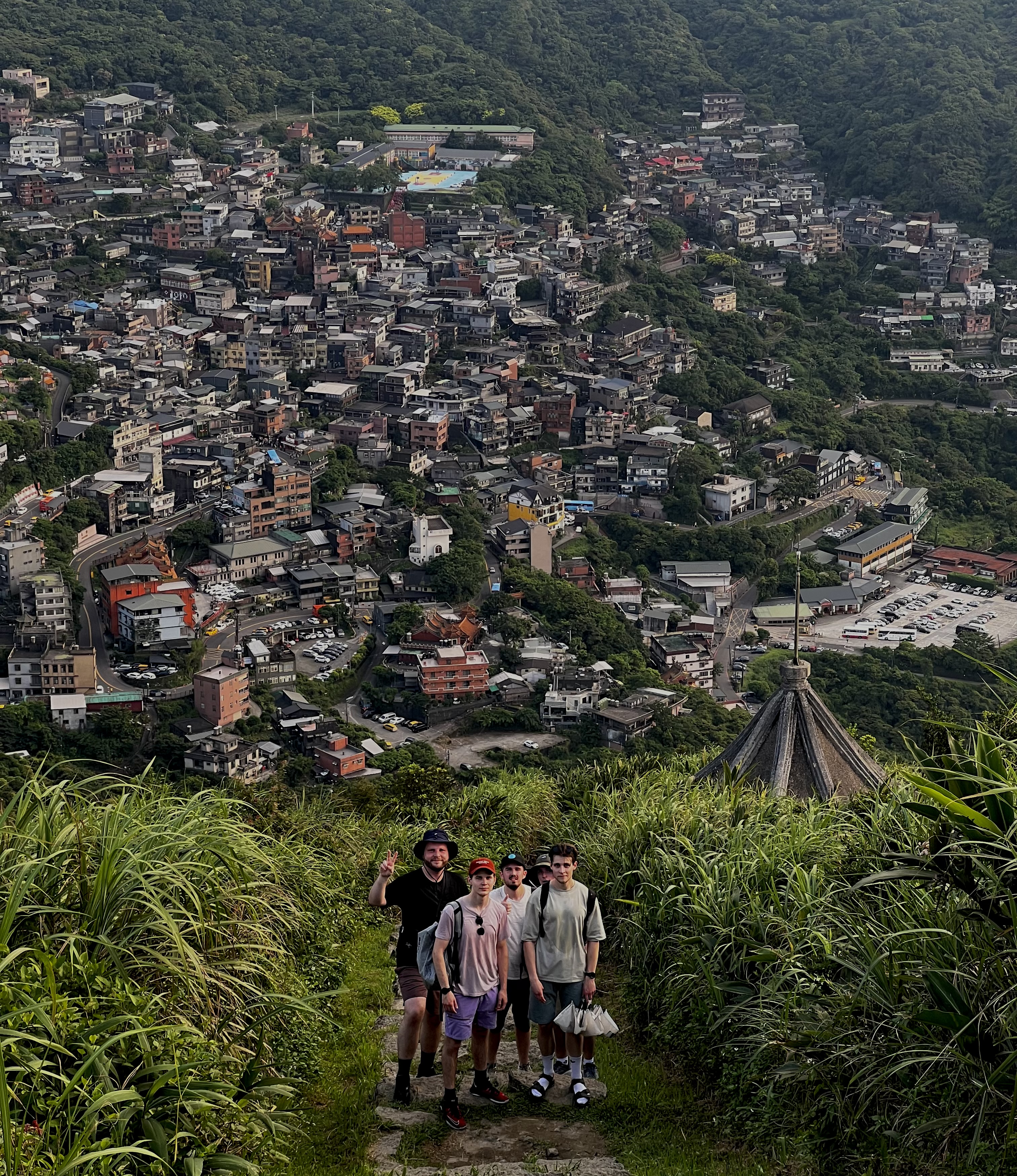
During their free time, students travelled independently and explored different parts of Taiwan. They visited Jiufen, Guandu Nature Park, Xiaoliuqiu Island, the Alishan mountain region, tea plantations and other sites of cultural and natural interest. Along the way, they encountered native pheasants and monkeys, and even had the opportunity to dive with sea turtles.
“What surprised me most was how much of Taiwan we were able to see and how much we learned about the local culture. I was also struck by how welcoming and warm the Taiwanese people were,” said Garbėnas.
Mykolas Vaitilas, VU Light Engineering student, noted that the warmth of the people and the vibrant food culture are integral parts of Taiwan, bringing colour to everyday life.
Students in Taiwan. Photo from personal archive.
Other students were equally impressed by the hospitality they encountered in Taiwan, particularly after missing the last bus home and finding themselves stranded in the mountains.
“You could search high and low and still not find a taxi there, so we found ourselves stuck in the mountains. We went into the first small shop we came across, where we met two elderly locals who did not speak a word of English. Not only did they call some friends who could drive us back to the city, but they also treated us to tea and shared stories while we waited. What began as an unfortunate mistake turned into one of the most memorable experiences of the trip,” they recalled.
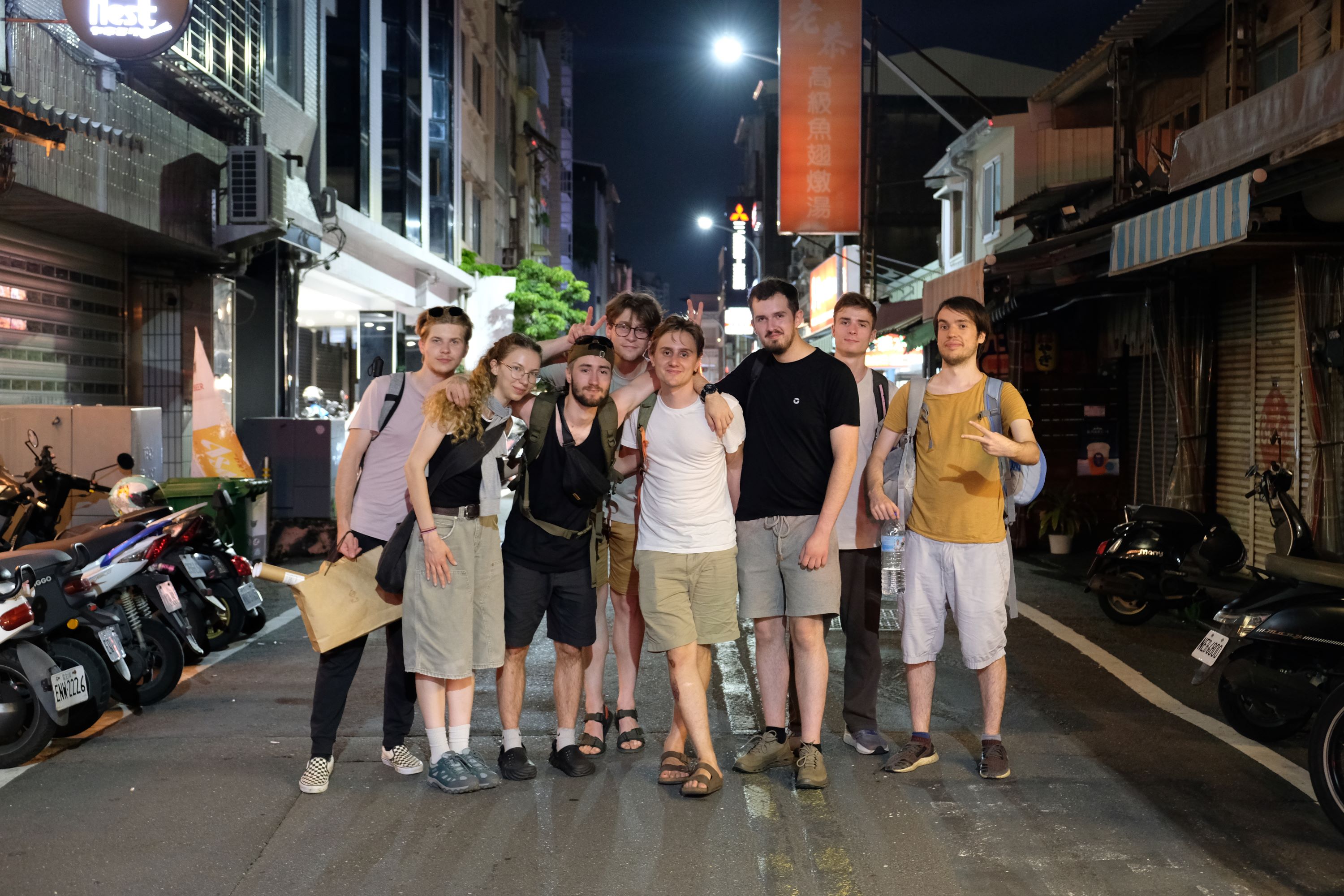
Students in Taiwan. Photo from personal archive.
Taiwan’s culture, history and everyday way of life left a lasting impression on the students. Participants also spoke warmly of a dinner organised for the Lithuanian delegation by Dr Shun-Fen Tzeng, Executive Director of the Science and Technology Division at the Taiwanese Representative Office in Lithuania, together with neuroscience professors Pei-Chun Chen and Yu-Min Kuo in Tainan. “Throughout the evening, we enjoyed Taiwanese cuisine and exchanged experiences and insights about our respective countries,” the students said.
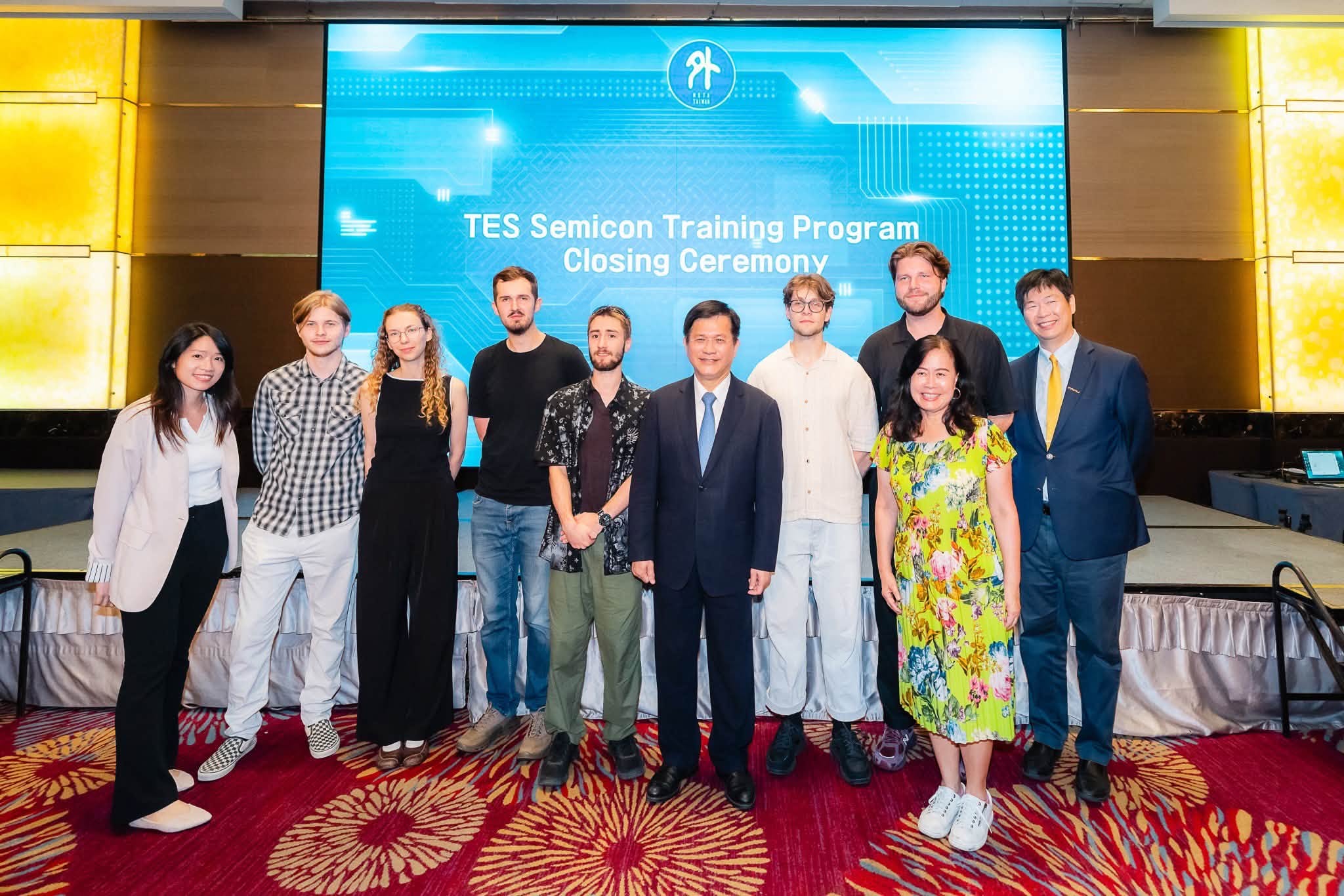
During the first two weeks of the programme, participants lived and studied in either Taipei or Tainan. For the following two weeks, they were joined by participants from the second programme track in Hsinchu or Tainan. In total, 29 students from Lithuania took part in the programme, including 10 from VU’s Faculty of Physics, alongside participants from Italy, Poland, Czechia, Slovakia, Kosovo and several other countries.
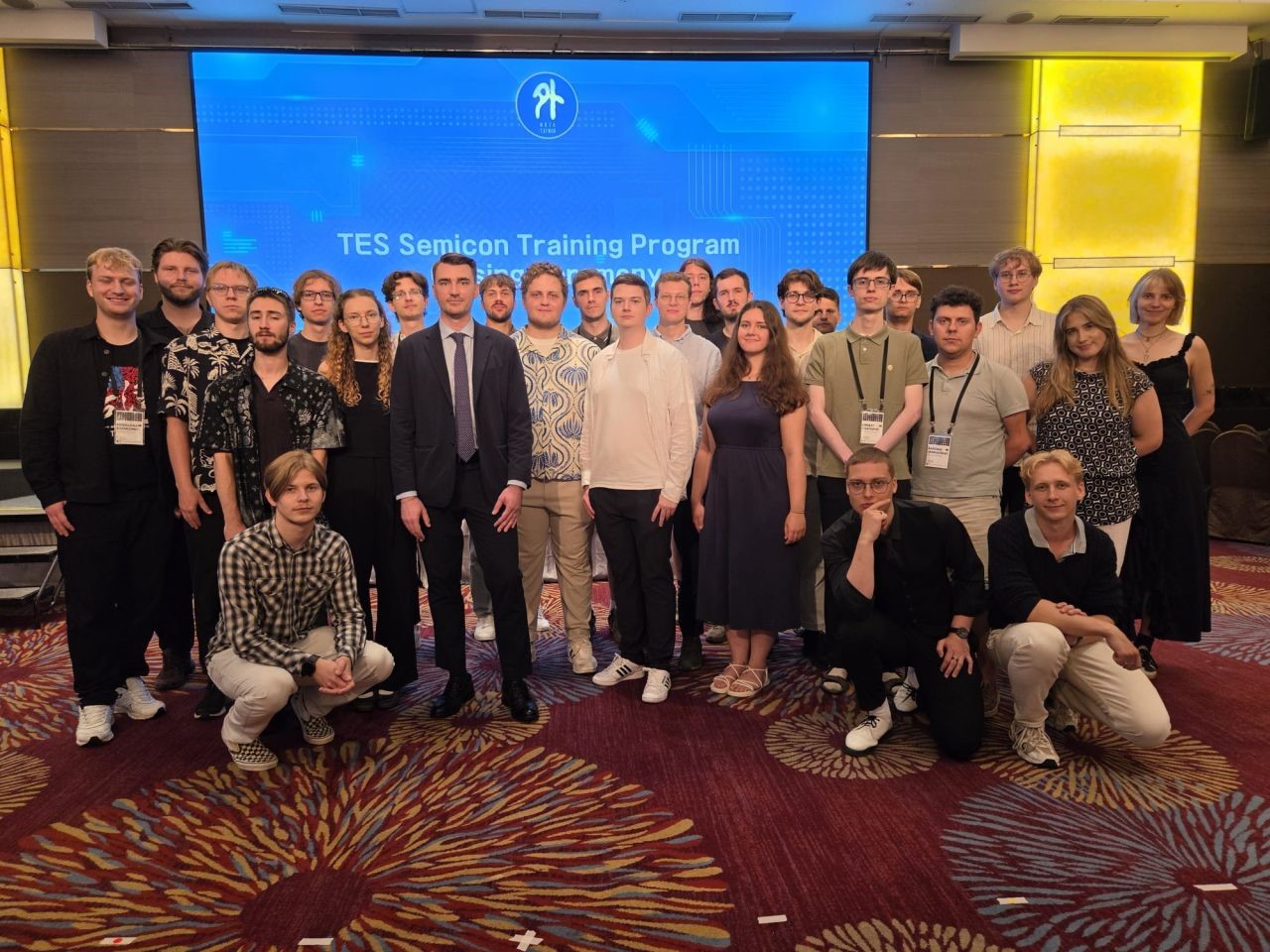
Students in Taiwan. Photo from personal archive.