

From October 8 to 10, Vilnius University (VU) hosted the General Assembly of the GENERA Network, a European collaboration of universities and research institutions dedicated to advancing equality, diversity, and inclusion in physics and other STEM disciplines. Bringing together the international community, the event provided a platform for discussing current challenges and sharing best practices.
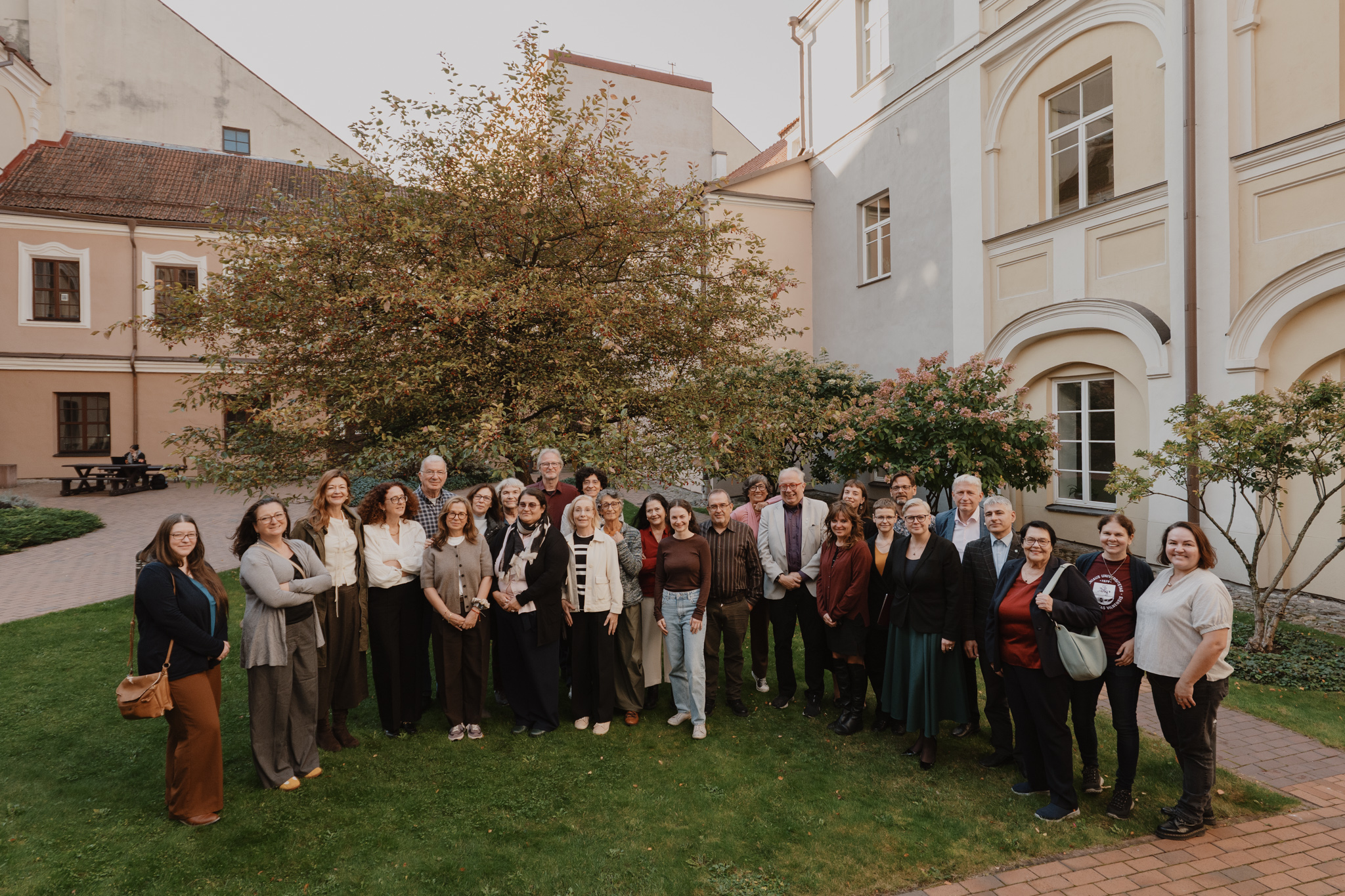
Participants highlighted the active contribution of the host institution – Vilnius University – in advancing the discussion on equality, diversity and inclusion in physics and other math-intensive STEM fields. The event also strengthened links between institutional practices, network initiatives and joint European projects.
The opening session of the assembly was chaired by Assoc. Prof. Dalia Šatkovskienė, representing VU in the GENERA network. Vice-Rector for Organizational Development and Community Affairs, Prof. Vilmantė Pakalniškienė, and the Dean of the Faculty of Physics, Prof. Aidas Matijošius, welcomed the participants. The heads of the GENERA network also delivered keynote greetings: Prof. Tomas Brage (Lund University, Sweden) and Prof. Maria Rosaria Masullo (National Institute for Nuclear Physics, Italy). The opening session brought together colleagues from the Faculty of Physics, the Life Sciences Center, and other STEM disciplines across VU.
Kotryna Martinkutė, a representative from the VU Community Wellbeing Department, presented the university's initiatives and achievements in gender equality and diversity. Dr Thomas Berghöfer (DESY Research Centre, Hamburg), the coordinator of the GENERA network and the project itself, introduced the ongoing Erasmus “GENERA-COPA” project, in which VU is an active partner.
According to Assoc. Prof. D. Šatkovskienė, Discussions were not limited to issues relating to the network’s activities. A considerable amount of time was devoted to project-related topics: progress made to date was presented and reviewed, future work was discussed, and administrative and Organisational issues arising during the project’s implementation were examined. The meeting also featured discussions on the culture of physics and the social and psychological aspects of physics studies and research. Furthermore, the impact of artificial intelligence (AI) on ensuring inclusivity within diverse international scientific communities was analysed from various perspectives.
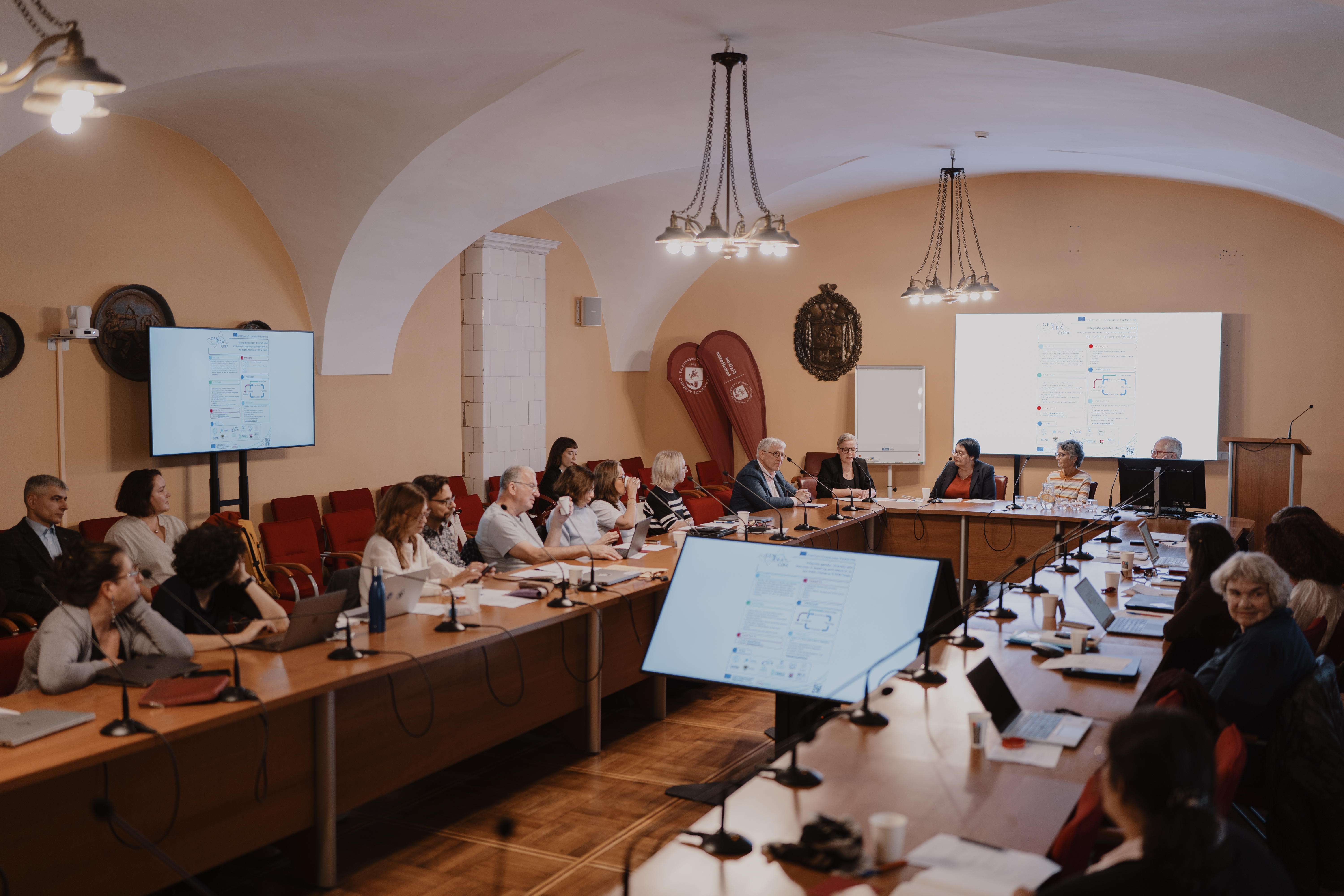
VU was among the first European universities to sign the GENERA network's memorandum of understanding in 2019. Today, the network connects more than 40 organisations, including international research centres such as CERN, DESY, and ESO, as well as prominent universities and research institutes.
Since 2025, this international network has been implementing a new Erasmus+ project titled “GENERA-COPA.” The project aims to transform higher education introductory programs in math-intensive STEM fields and improve institutional working culture regarding diversity and inclusion. The project focuses primarily on developing introductory courses and transformative, two-way mentoring programmes designed to train lecturers and researchers at universities and research institutes. These introductory courses aim to equip students, early-career researchers, lecturers and research group leaders with the skills required to work successfully in a variety of academic environments.
The European Gender Equality Network in Physics (GENERA) was established in 2018 following the successful implementation of the European Commission’s Horizon 2020 project, “Gender Equality Network in the European Research Area.” The primary goal of the network is to sustain the activities initiated during the project, while supporting, coordinating, and improving gender equality policies in physics research organisations across Europe and worldwide.