

Erasmus+, Bilateral, and ARQUS, COIMBRA Exchange Application for 2025/2026 Spring Semester
We invite you to participate in the exchange program during Spring semester of the 2025-2026 academic exchanges!

We invite you to participate in the exchange program during Spring semester of the 2025-2026 academic exchanges!
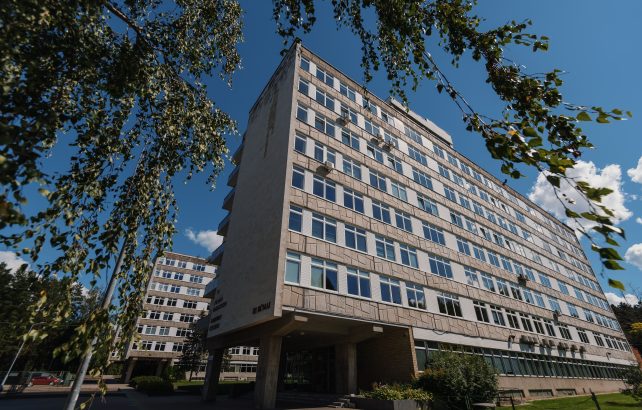
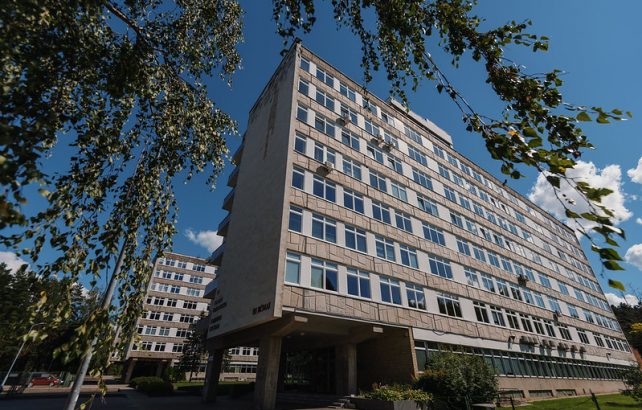
On September 5–6, radio signals will be broadcast from the Faculty of Physics at Vilnius University (VU) and audible on various continents. Short radio waves will be transmitted from the roof of the faculty, spreading the news about the 60th anniversary.

In the 2025–2026 academic year, Vilnius University students are invited to take part in the Arqus Plurilingualism Module, which offers the opportunity to begin learning Lithuanian, Norwegian or French at A1 level. Alongside this, participants are encouraged to continue practising a foreign language they already know through informal activities such as the Arqus Café. The module brings together formal courses, informal learning opportunities and theoretical perspectives on language and culture, enabling students to reflect critically on their own learning strategies and cultural experiences.

With the new academic year approaching, Vilnius University (VU) has opened its doors to welcome international students. On 27 August, students from around the world who have come to Vilnius attended a dedicated ‘Orientation Day’ event at ‘Compensa’ Concert Hall, where they were introduced to representatives and organisations, as well as activities and opportunities at VU.
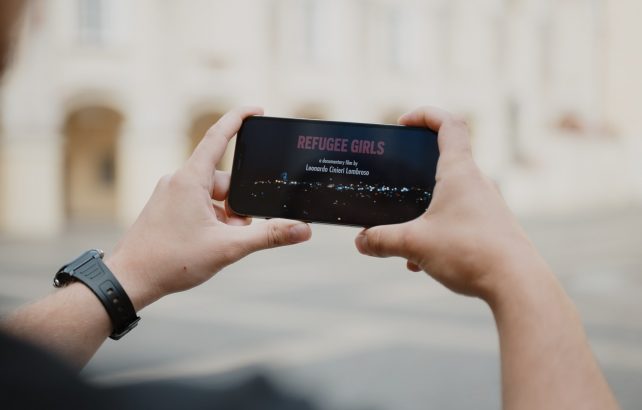
The universities of the Arqus Alliance, together with the “Scholars at Risk” network, invite you to the screening and discussion of the “Refugee Girls” documentary (2023), which will take place on 23 September at 16:30 at the Small Hall of the ”Pasaka” Cinema Theatre (Šv. Ignoto g. 4/3).
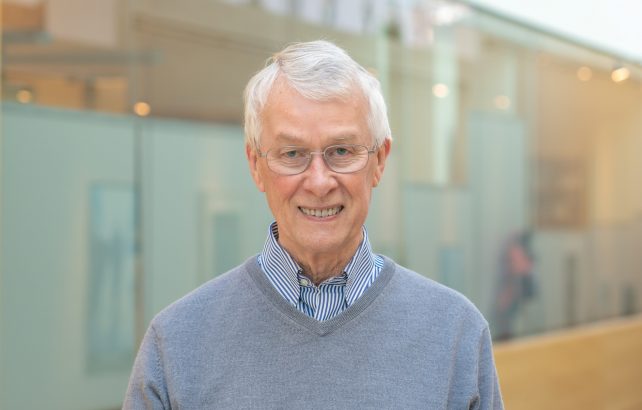
On September 1–3, Vilnius University (VU) will host one of the most prominent contemporary molecular biologists and a pioneer of bioinformatics – Nobel Prize laureate in Physiology or Medicine, Sir Richard John Roberts. His visit to Lithuania is part of the series of events celebrating the 50th anniversary of modern biotechnology in the country.
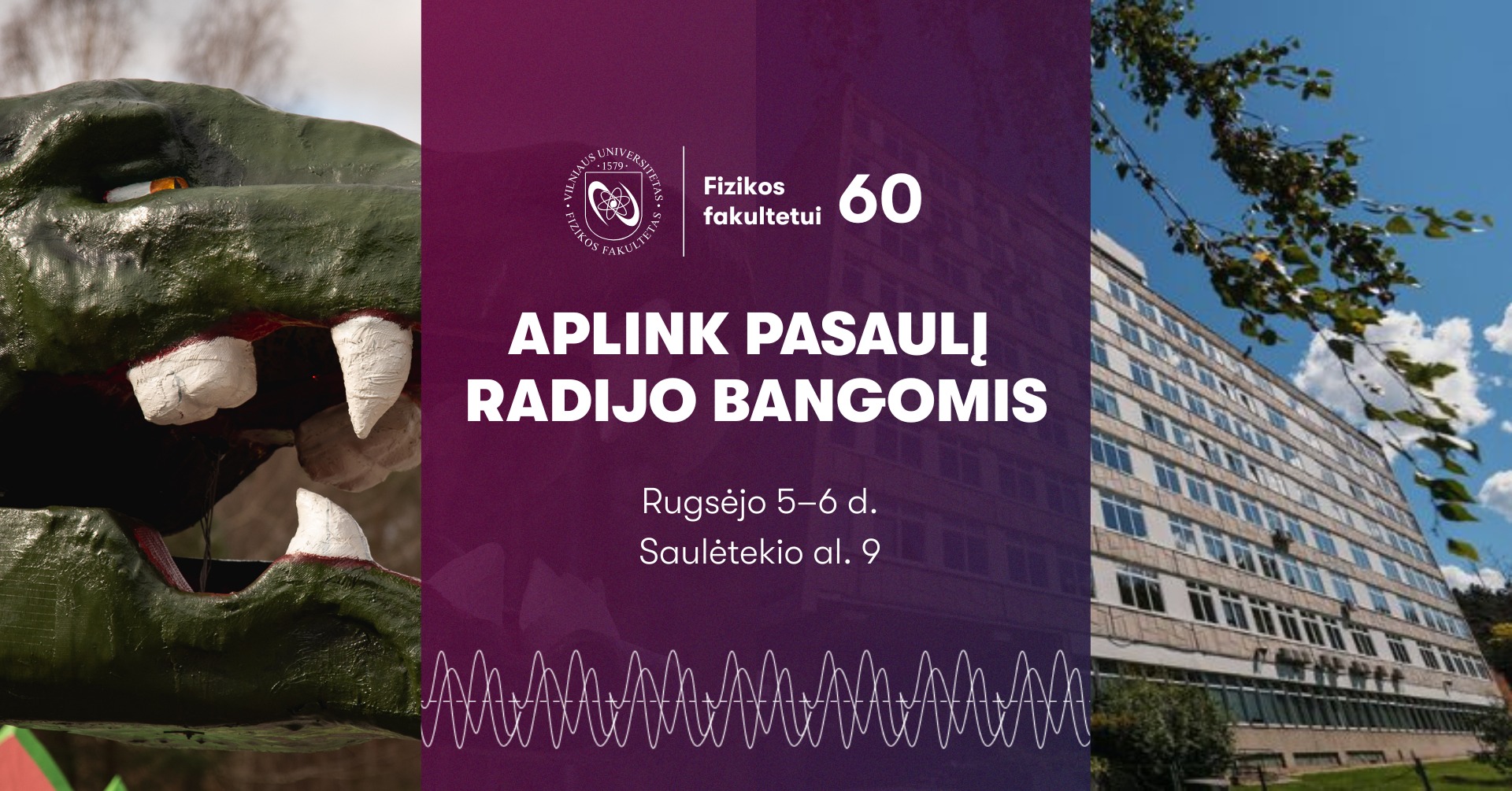
On 5–6 September, the message will be broadcast from the rooftop of the VU Faculty of Physics — we’re celebrating the Faculty’s 60th anniversary.
Congratulations to everyone on the new school year!
Please note that Monday, 1 September is the opening day of Vilnius University's academic year, RENOVATIO STUDIORUM – thus there will be no lectures on that day. Everyone is welcome to take part in the celebration events.
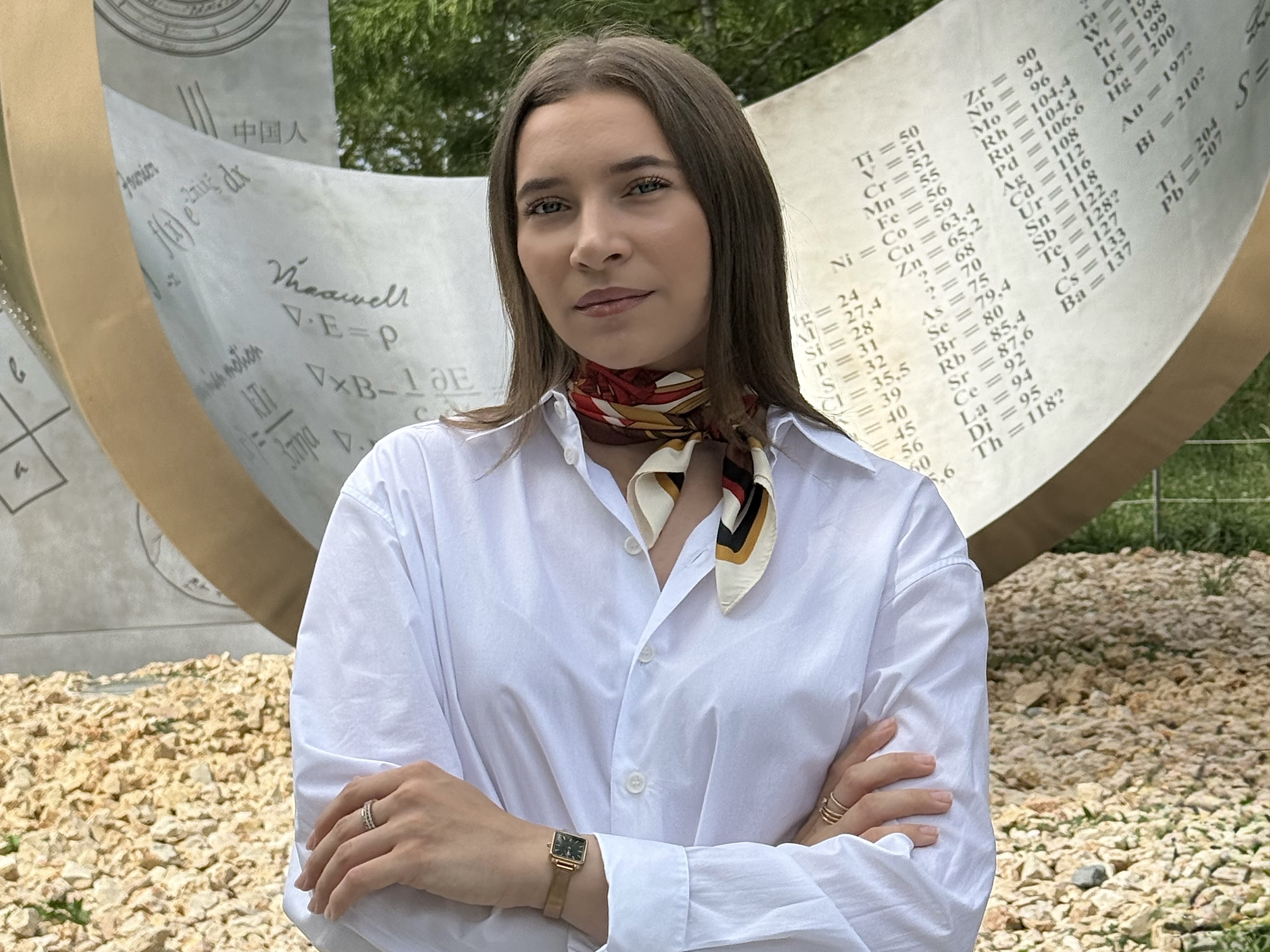
Margarita Biveinytė, a graduate of Vilnius University’s (VU) Bachelor’s programme in High-Tech Physics and Business, has just returned from a summer internship in Geneva at the European Organisation for Nuclear Research – CERN. This was her fourth visit and second internship at the world’s largest nuclear and particle physics laboratory.
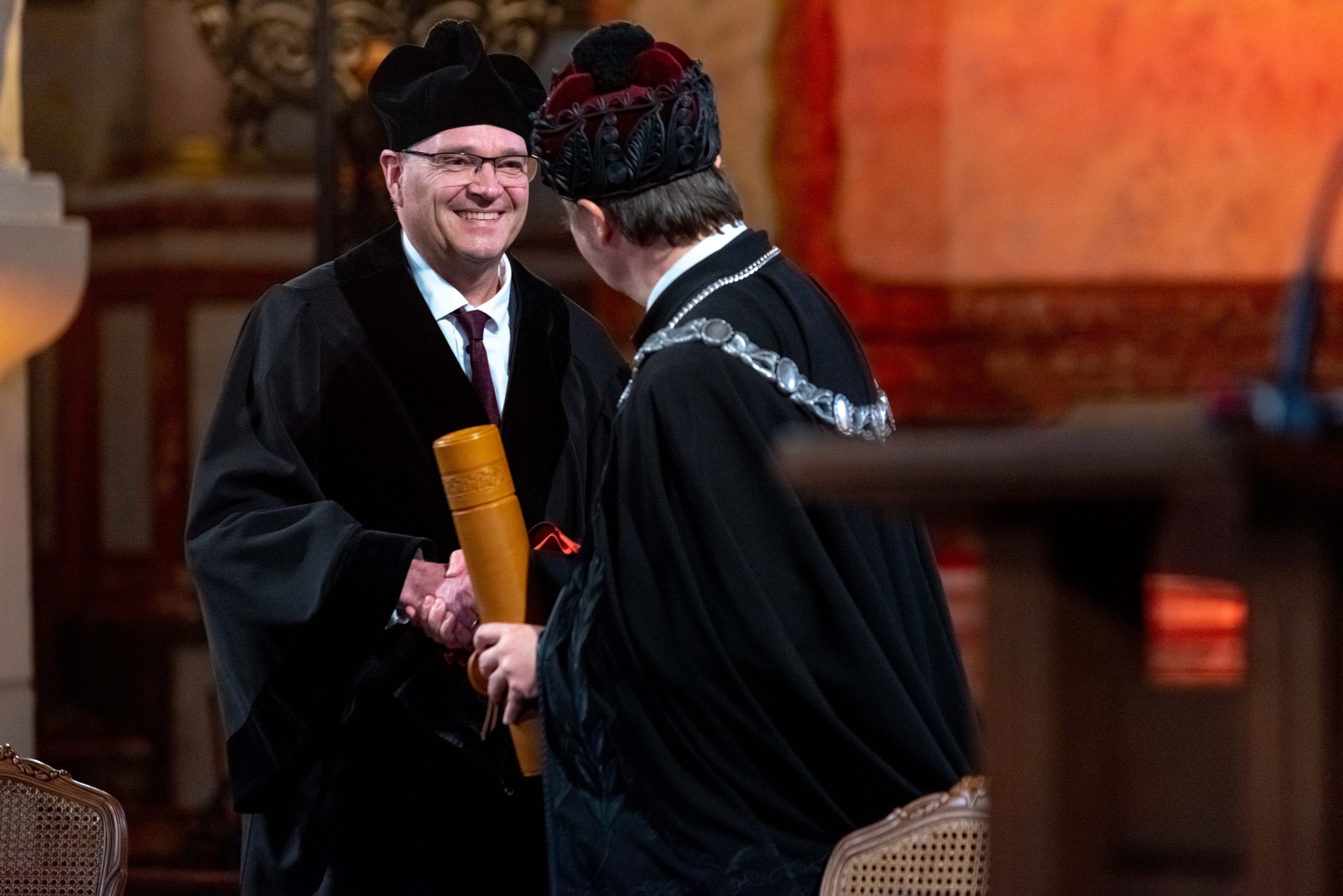
For almost three decades, Professor Hans Kjeldsen from Aarhus University (Denmark) has been working closely with scientists from the Faculty of Physics at Vilnius University (VU), studying the composition of stars. In 2024, he was awarded an honorary doctorate from VU for his outstanding scientific achievements and long-standing partnership with Lithuanian astronomers. The asteroseismology methods he has developed allow us to look into the depths of stars through their vibrations and have been implemented even in NASA’s Kepler space mission, opening up new opportunities to understand the evolution of stars and detect exoplanets (planets orbiting other stars outside the solar system).
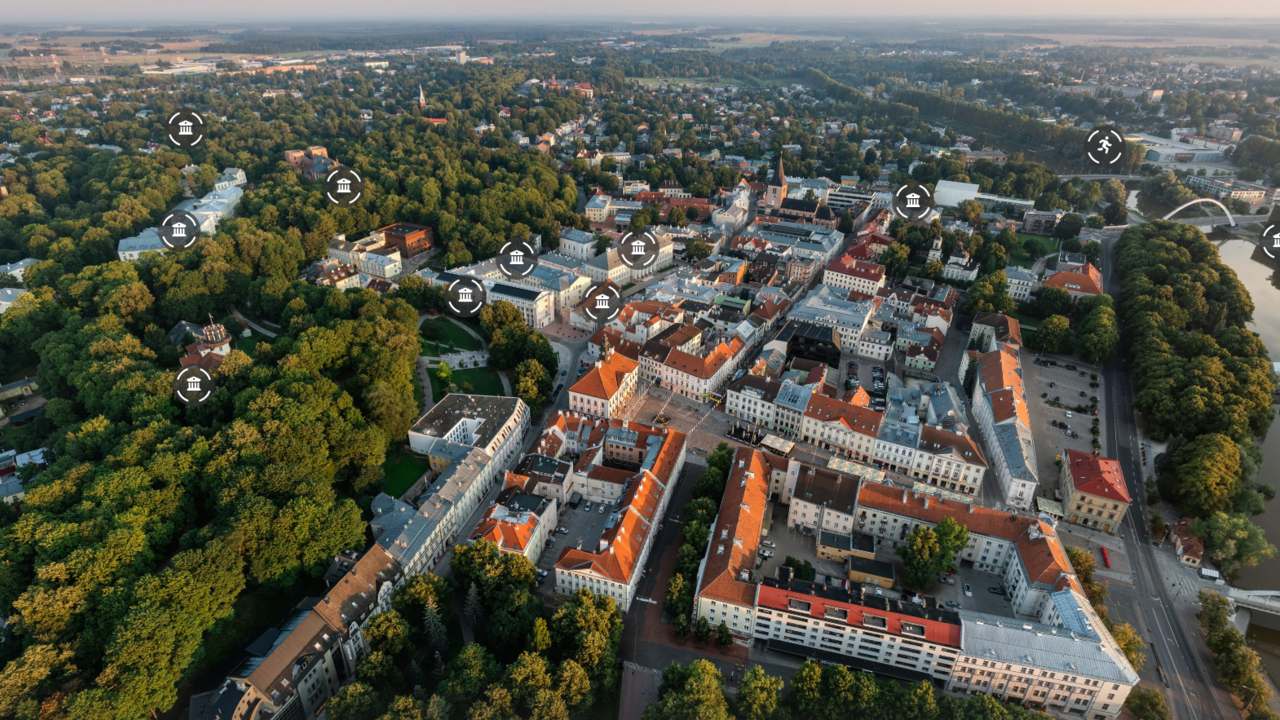
On September 20–21, Tartu will host the International Conference on Applied Physics & Imaging (ICAPI).
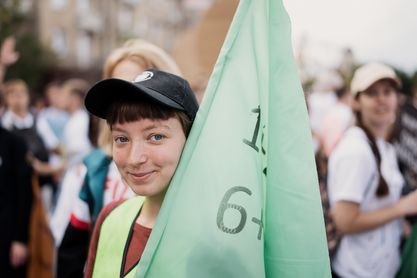
Congratulations on your admission to the Faculty of Physics (FF) at Vilnius University (VU). We have prepared a memo with the most important information to help you integrate into the study process as smoothly as possible.
VU welcomes the new academic year by inviting students to integration events, where first-year students will participate in engaging activities, discussions, lectures, and meaningful meetings.
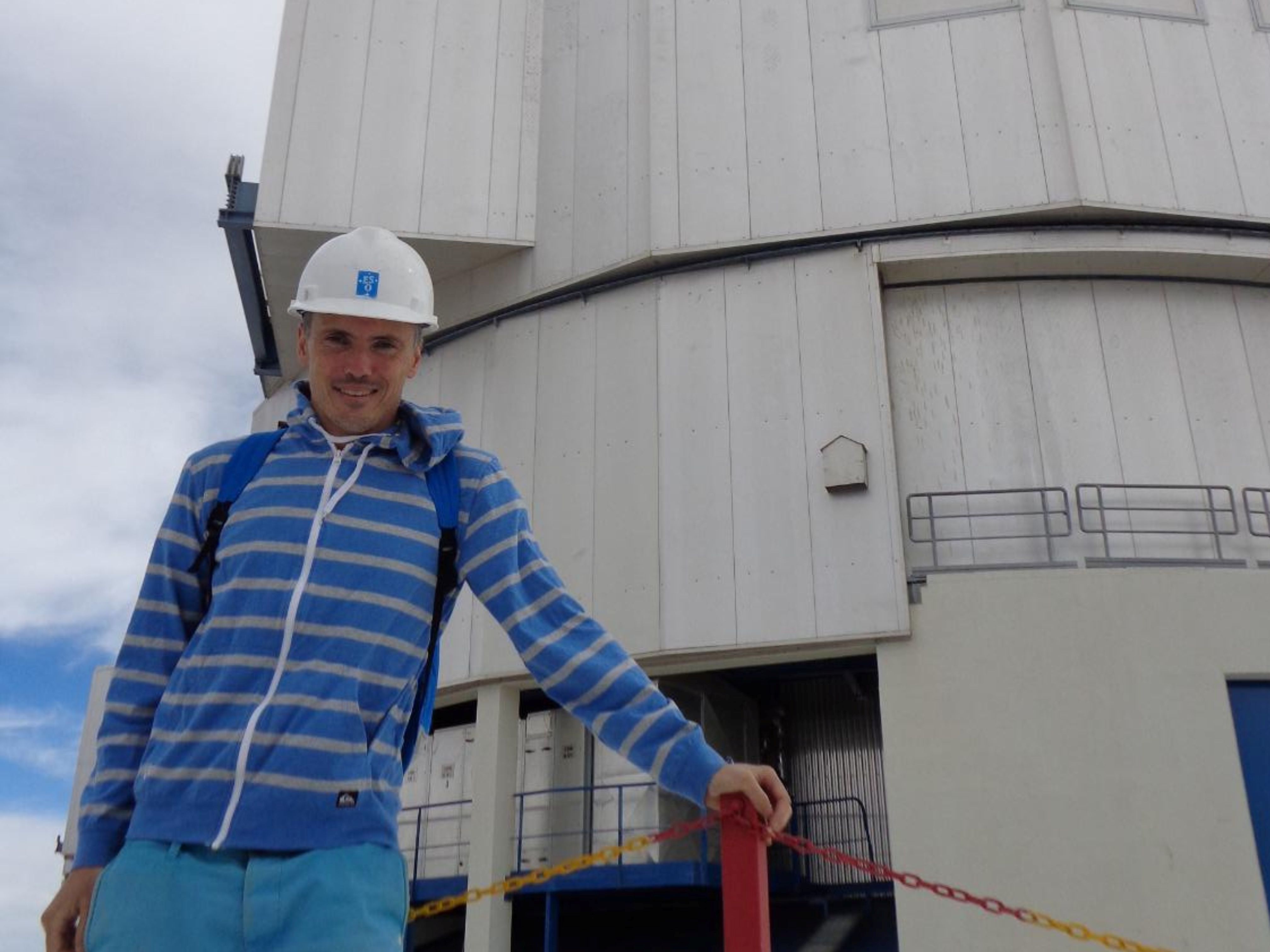
After more than 15 years spent studying and working across Europe and Latin America, Spanish astrophysicist Dr Carlos Viscasillas Vázquez has found an unexpected but lasting home at Vilnius University (VU). Now based at the Institute of Theoretical Physics and Astronomy, he conducts cutting-edge research on stellar evolution and leads international science outreach initiatives. From decoding the Milky Way to organising Baltic-wide exhibitions, Dr Viscasillas is contributing to Lithuania’s growing visibility in global astronomy, and says he’s proud to call Vilnius his academic and personal home.
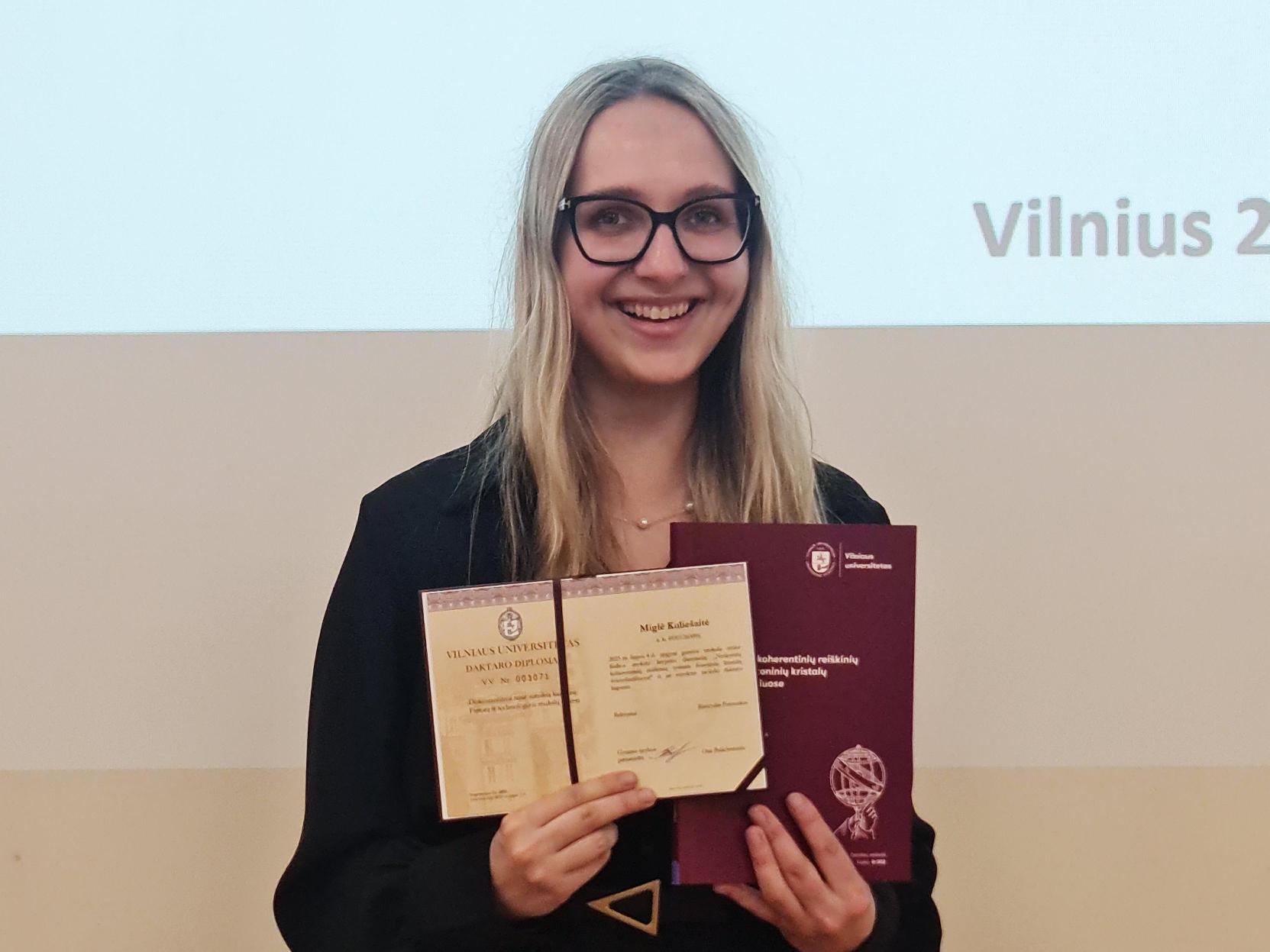
Miglė Kuliešaitė successfully defended her PhD thesis "Investigation of nonlinear coherent phenomena in photonic crystal fibers".
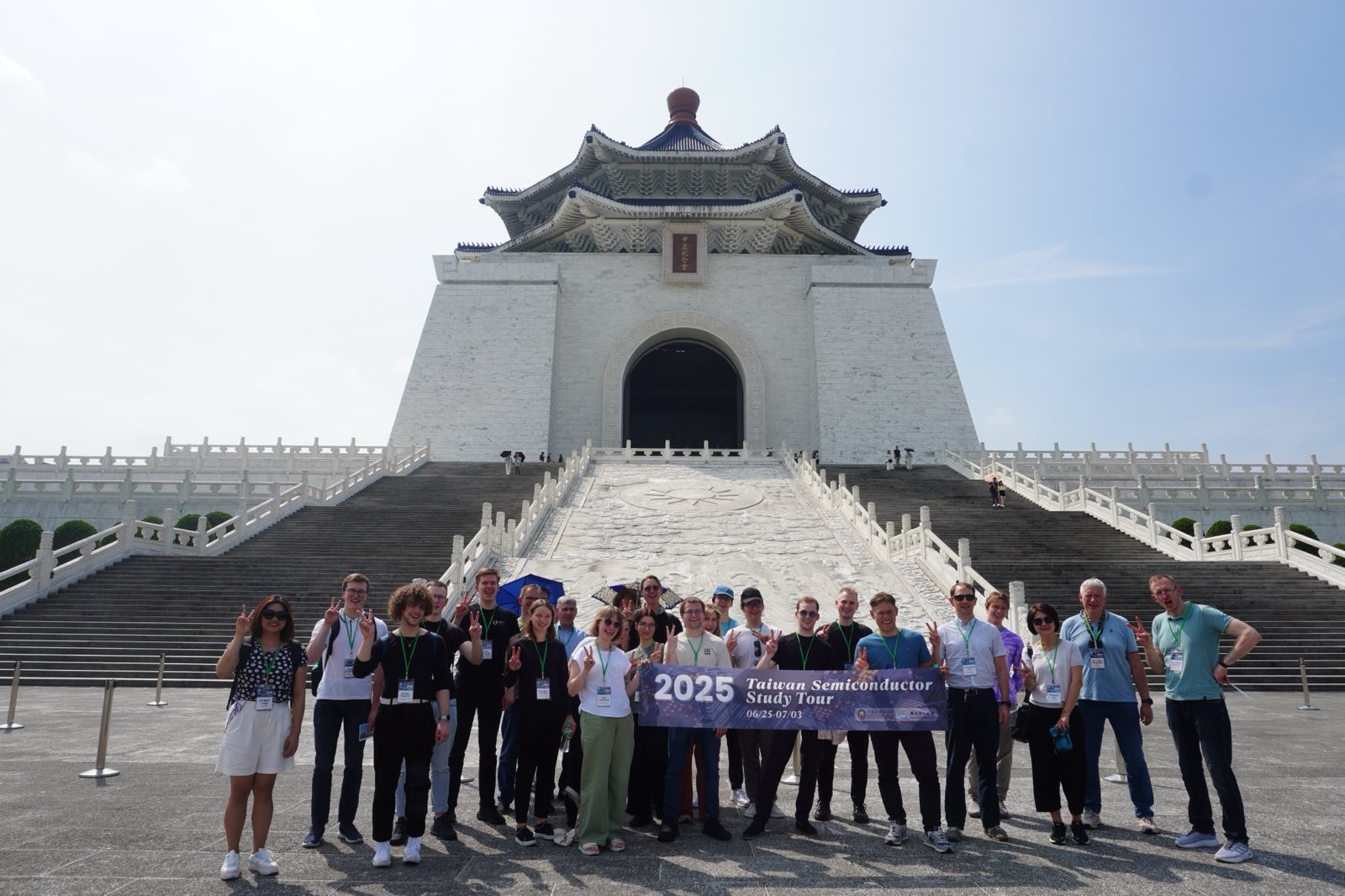
Last week, five professors and 12 students from the Faculty of Physics at Vilnius University (VU), together with colleagues from Vilnius Gediminas Technical University (VILNIUS TECH) visited Taiwan. Over the course of ten days, a total of 24 Lithuanian representatives took part in a visit focused on fostering academic and research cooperation in the field of semiconductors.
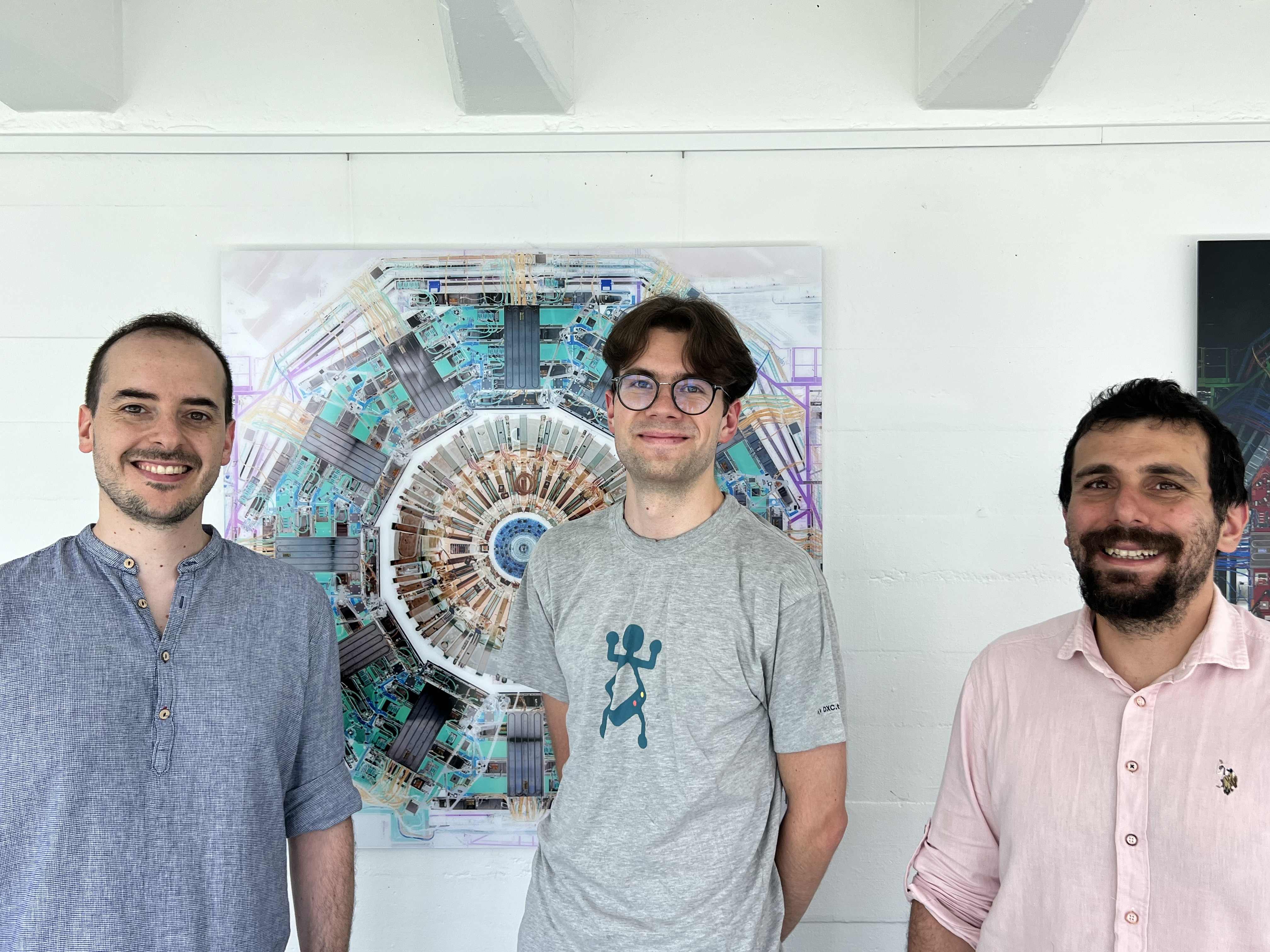
Kristijonas Čiulčinskas, an alumnus of the Faculty of Mathematics and Informatics (MIF) of Vilnius University (VU), has been conducting a research project at the European Organisation for Nuclear Research (CERN) for a few months now. In September, he plans to study for a Master’s degree at the Delft University of Technology (Technische Universiteit Delft) in the Netherlands. The VU alumnus shares insights into physics, mathematics and his career path.
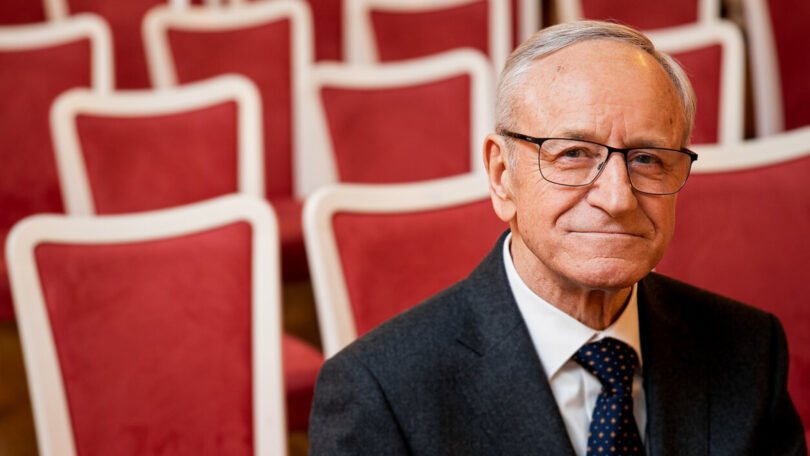
Prof. Algis Petras Piskarskas (1942–2022) family contributed an additional 200,000 euros to the named endowment sub-fund in May and July of this year. After this significant philanthropic contribution, the value of the sub-fund dedicated to supporting laser physics science reached 800,000 euros.
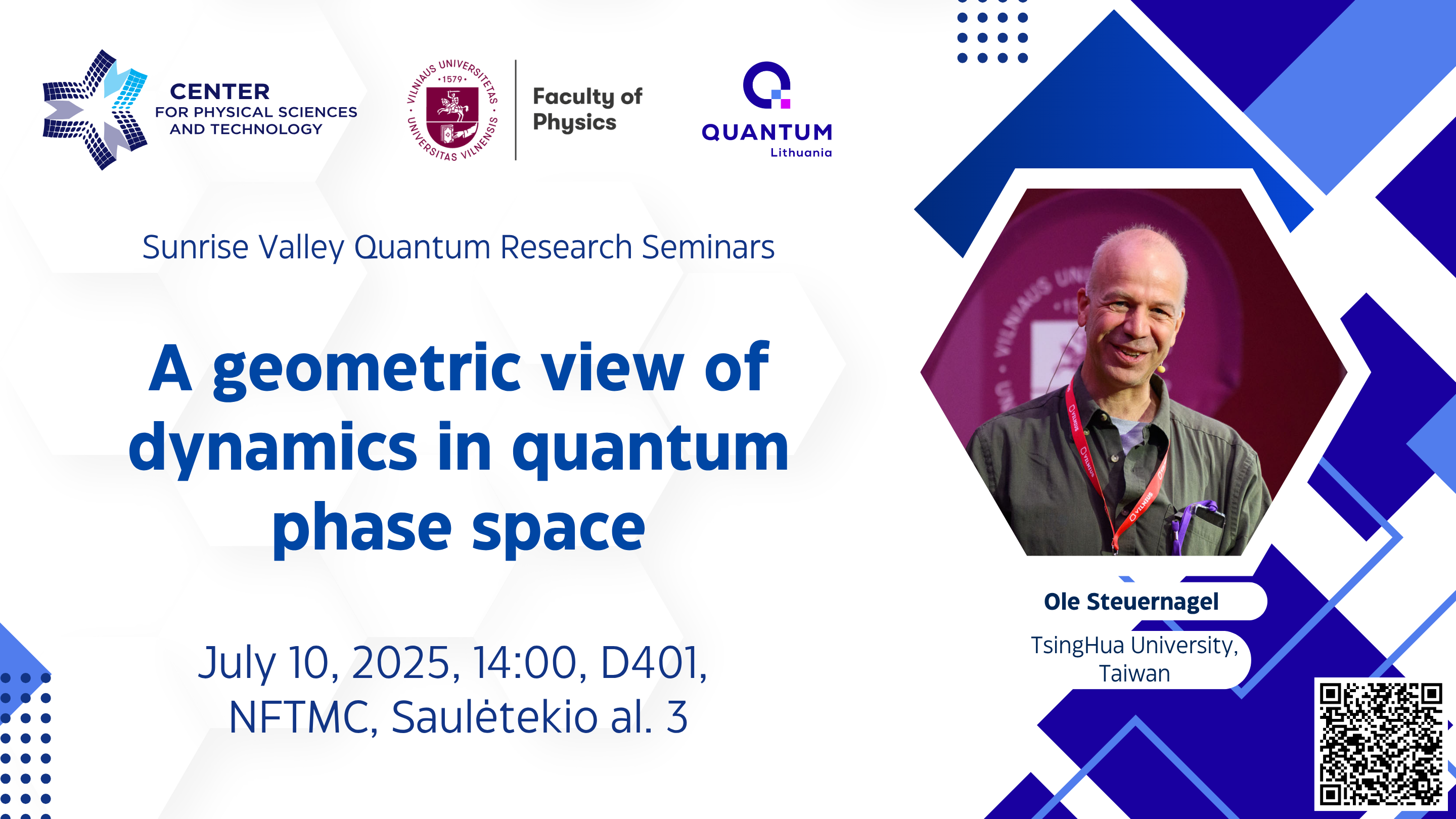
The seminar will explore how the evolution of quantum systems in phase space can be interpreted using geometrical methods and Wigner phase space flow.
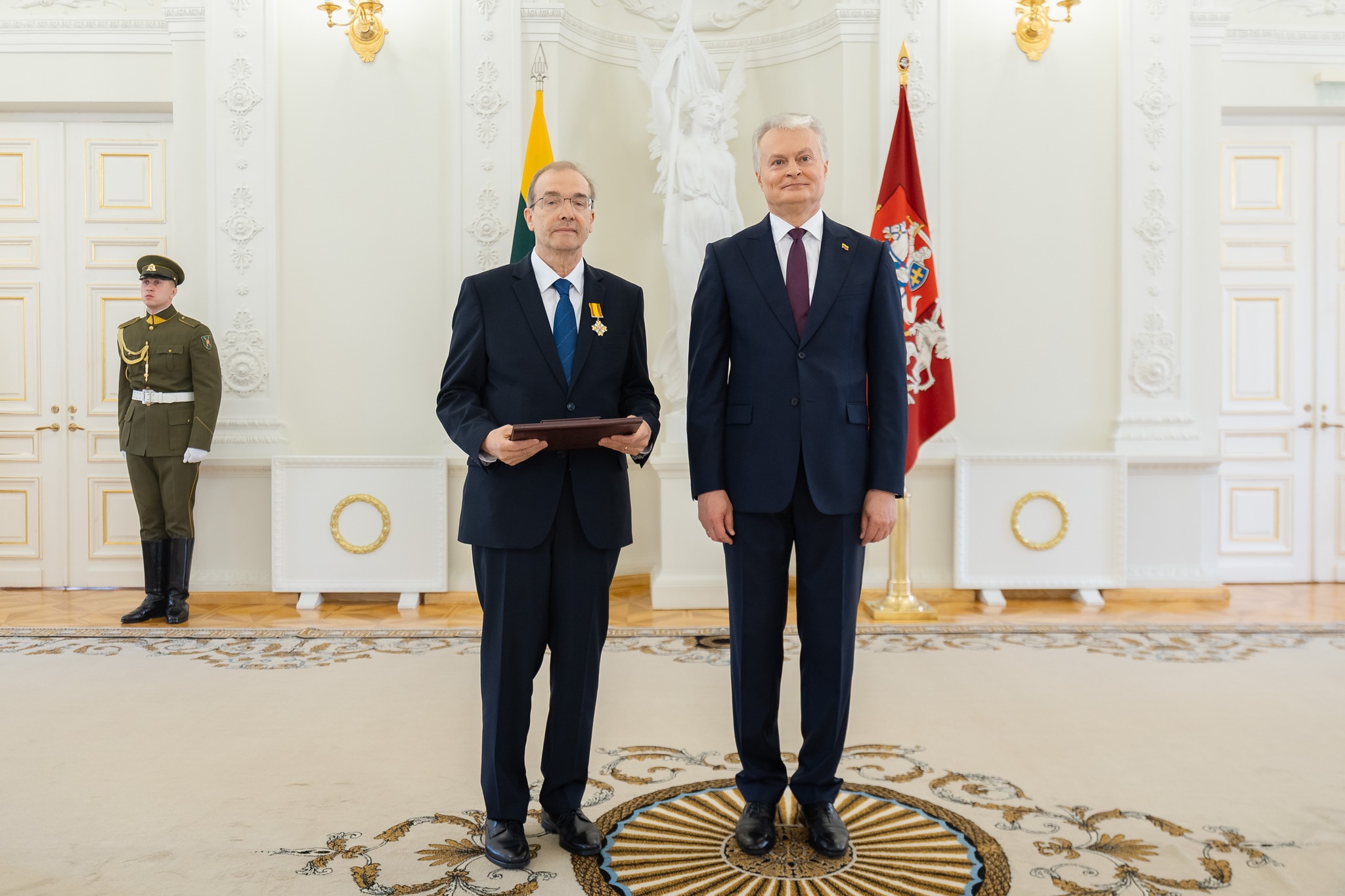
On the occasion of Statehood Day and the Day of the National Anthem, the President of the Republic of Lithuania, Gitanas Nausėda, presented state awards for merits to Lithuania and for promoting the country's name abroad.
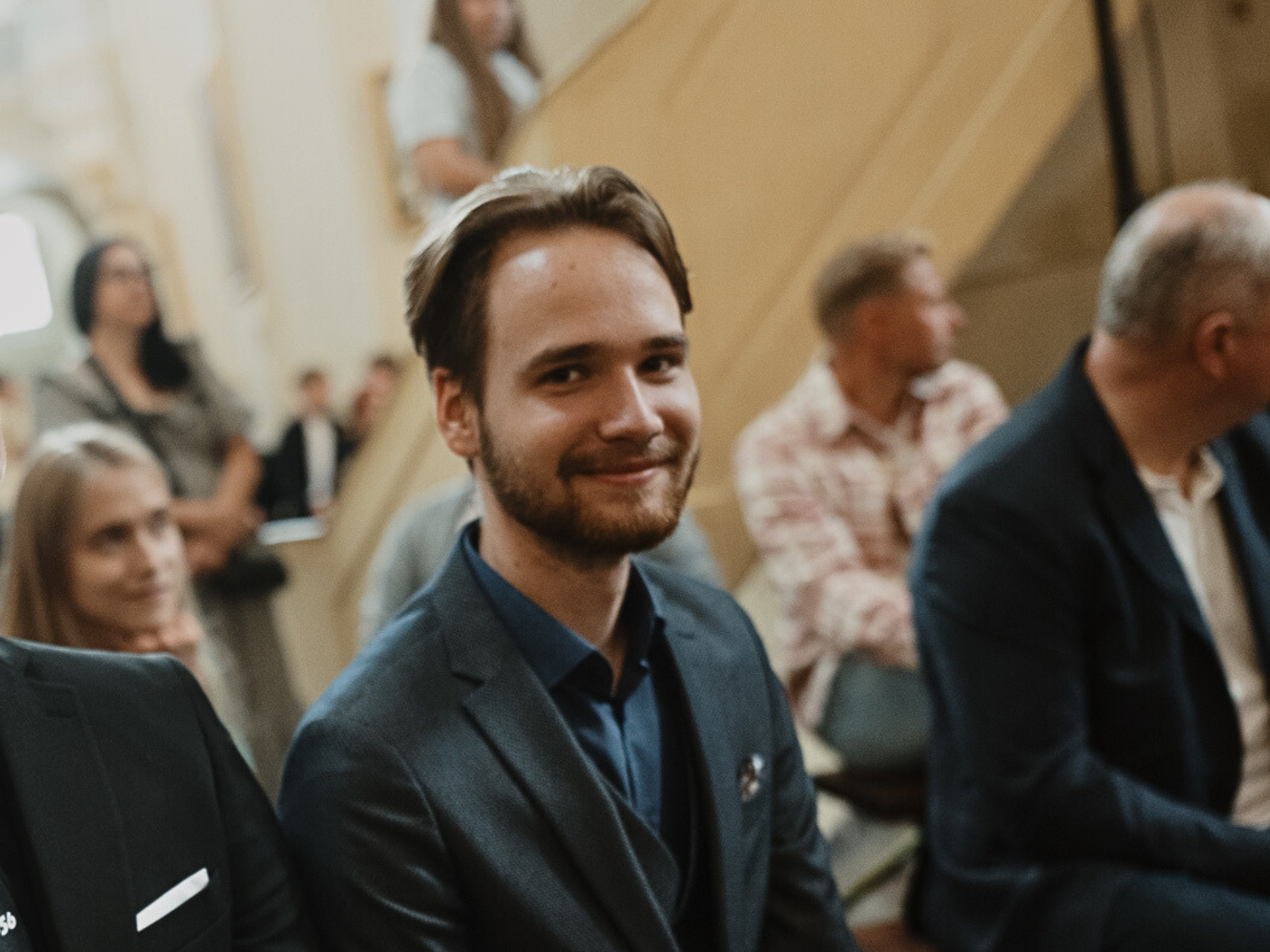
A passion for science and a sincere care for people – these are the qualities that perfectly describe Erikas Tarvydas, an alumnus of the Faculty of Physics at Vilnius University (VU). For several years now, he has successfully balanced physics, paramedic work, volunteering, and hobbies. This year he graduated with top honours in physics, and in September, he will begin his studies at the VU Faculty of Medicine.

‘Physics is an old science, there’s so much to do here. The most difficult part is choosing exactly what,’ jokes Vilnius University (VU) scientist Prof Gediminas Gaigalas. His theories and atomic calculation programs are essentially unrivalled. Very often, complex physics projects are simply impossible without his contributions. The latest example is an international study that has finally explained an anomaly that has troubled scientists for many years.