

Strengthening our involvement in CERN activities
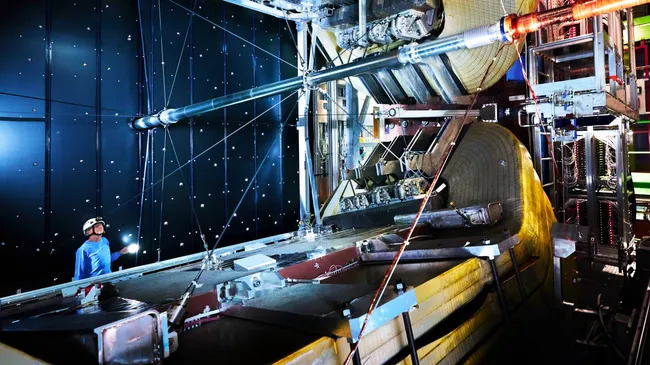
A delegation from the Faculty of Physics visited CERN this week.
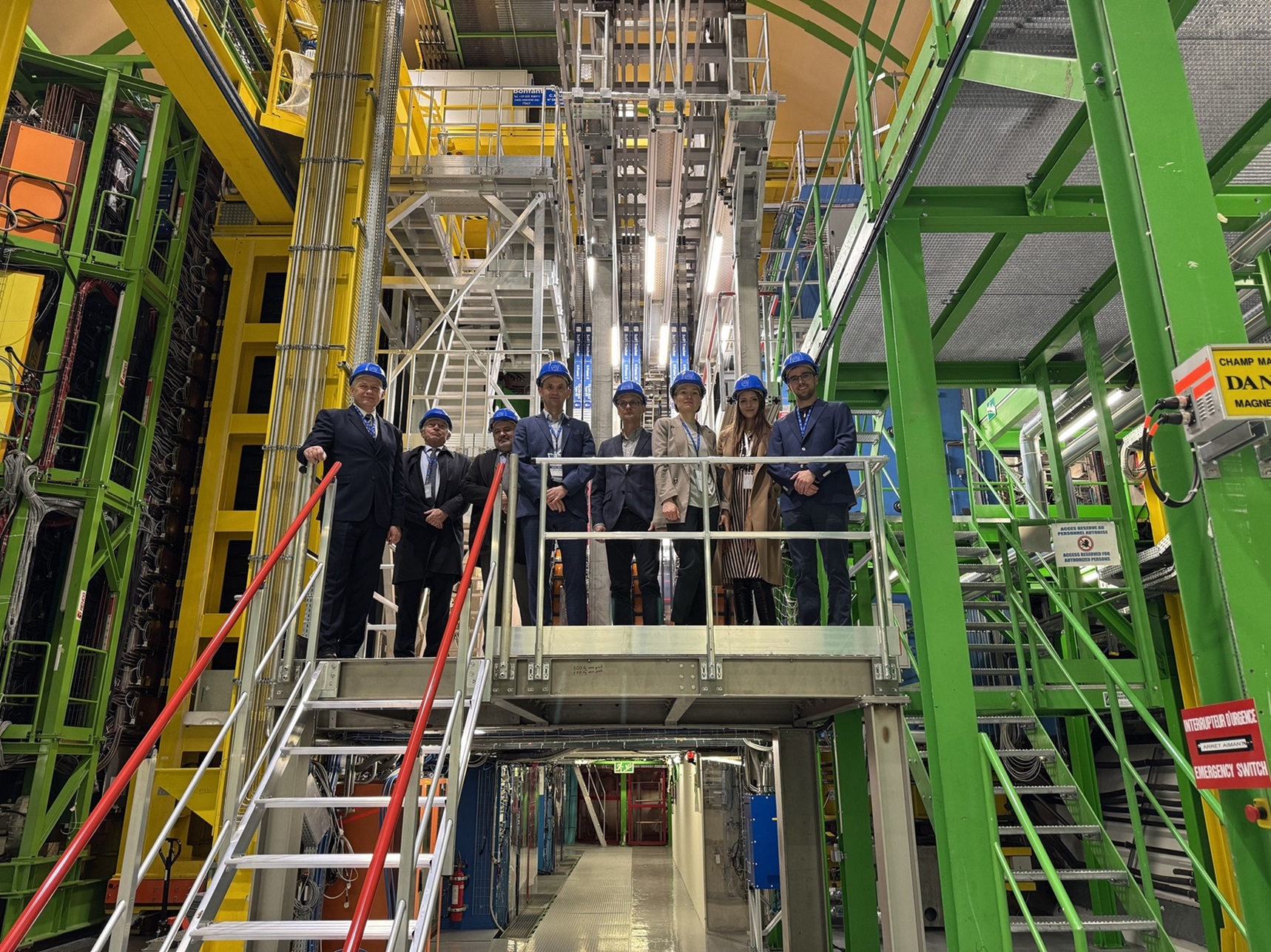
A delegation from the Faculty of Physics visited CERN this week.
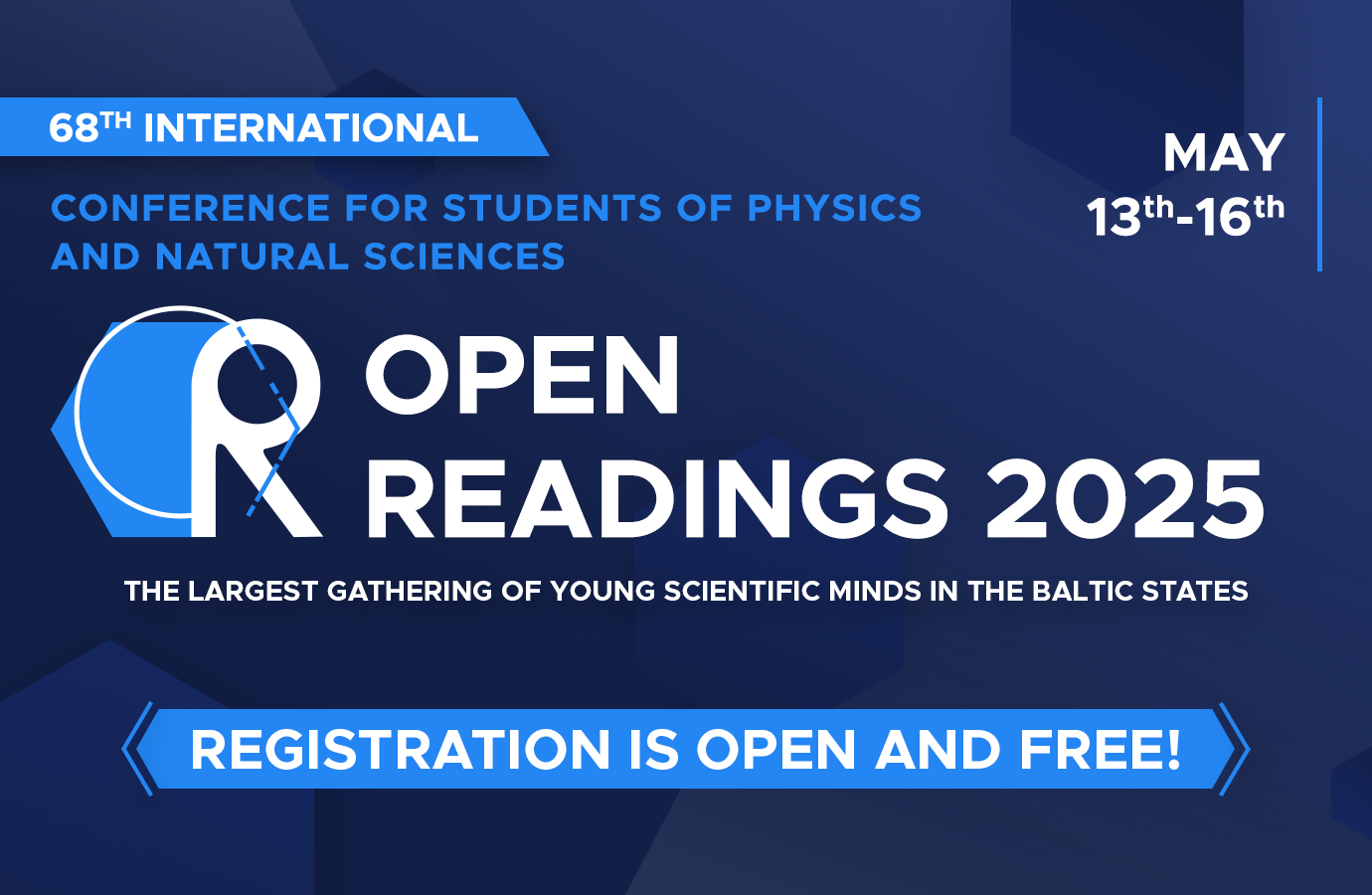
The 68th International Conference for Students of Physics and Natural Sciences “Open Readings 2025” invites its prospective participants to register!
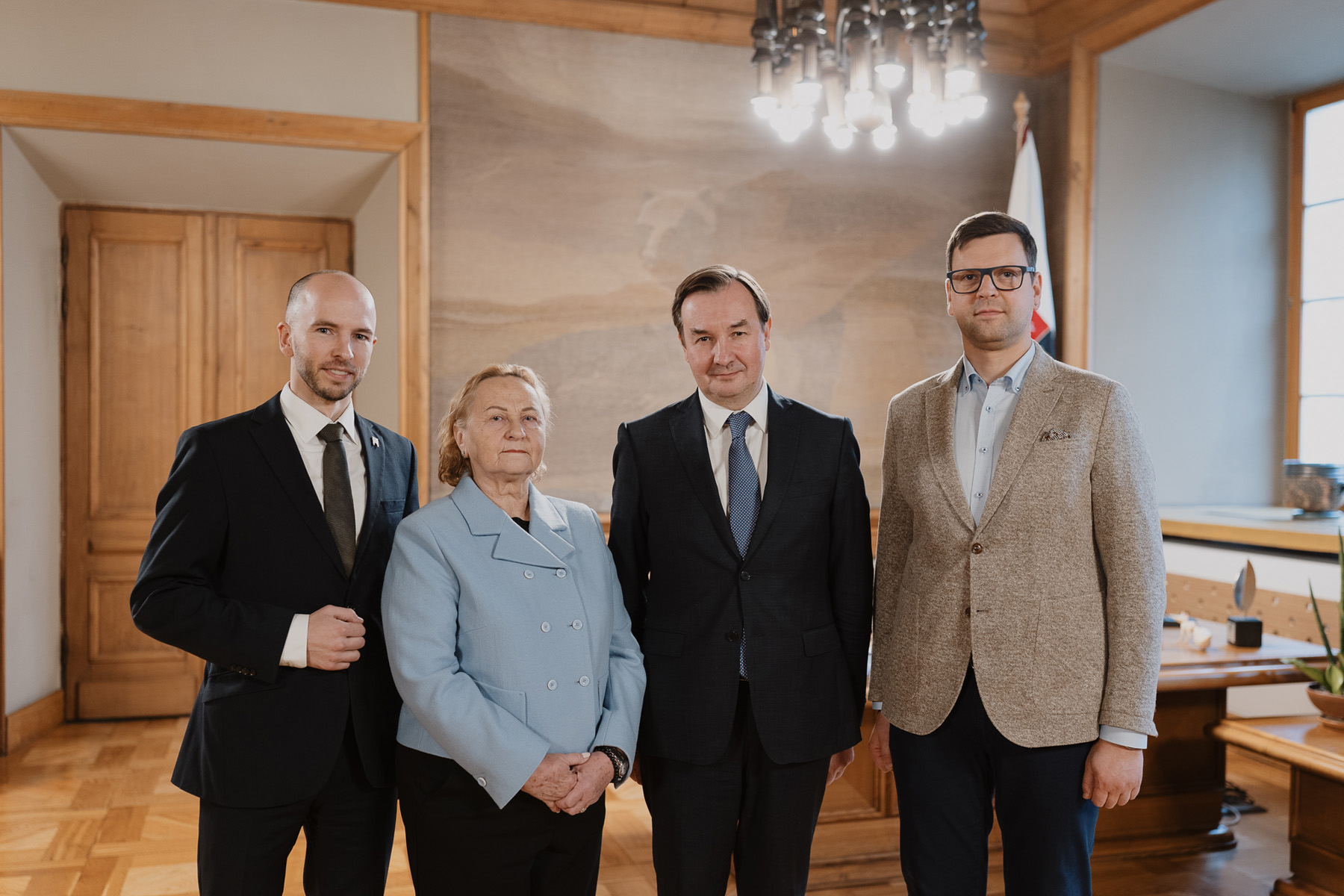
Philanthropists Irena and Algirdas Juozapavičius have allocated €1.3 million from the inheritance of their late son to the Vilnius University (VU) Foundation. In memory of their son, a €1 million sub-fund named after Mantvydas Juozapavičius (1976–2023) has been established within the VU Foundation. One hundred thousand euros each has been allocated to the VU Life Sciences Center sub-fund, the Professor Algis Petras Piskarskas sub-fund, and to strengthen other VU Foundation initiatives.

In the webinar SIESTA: a DFT code for large scale computational materials science in HPC environments, SIESTA founder Pablo Ordejón will share insights into the challenges and opportunities of computational materials science. He will explain how SIESTA, the tool he developed, enables the modelling of large atomic systems and how it adapts to today's and tomorrow's HPC environments. You will also learn about the further development of SIESTA and its application in scientific computing.

In celebration of World Photonics Day, The Vilnius University Foundation, together with the VU Faculty of Physics, announces a competition for the Prof. Algis Petras Piskarskas (1942-2022) Named Postdoctoral Fellowship, honoring one of the most renowned scientists in the country, known as the father of Lithuanian lasers.

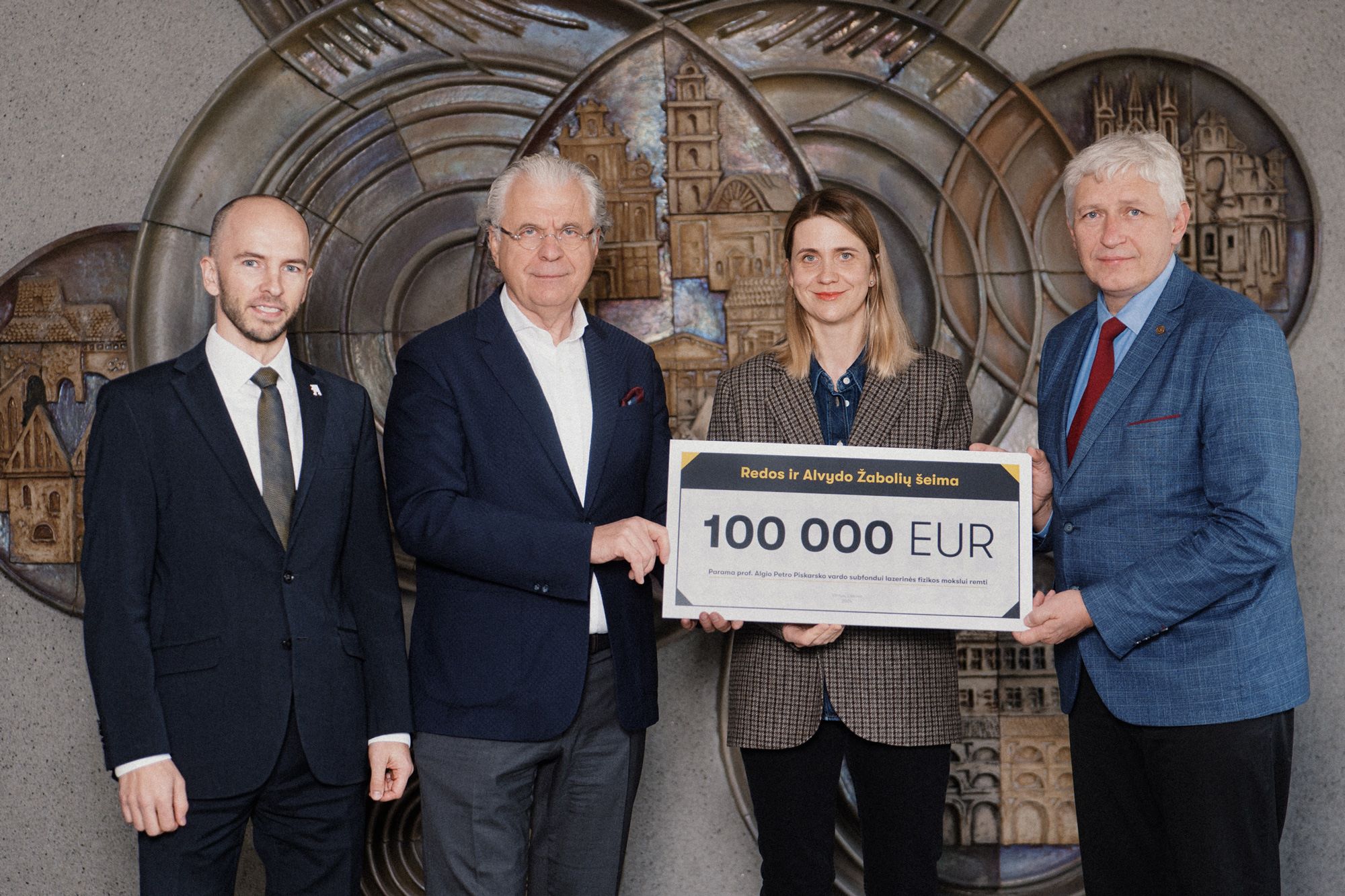
The Žabolis family, patrons of Vilnius University (VU) and the city of Vilnius, entrepreneurs, and VU alumni Reda and Alvydas Žabolis, have donated 100,000 euros to the named Prof. Algis Petras Piskarskas Endowment Subfund, which was established last year. This subfund aims to promote and support research in laser physics.
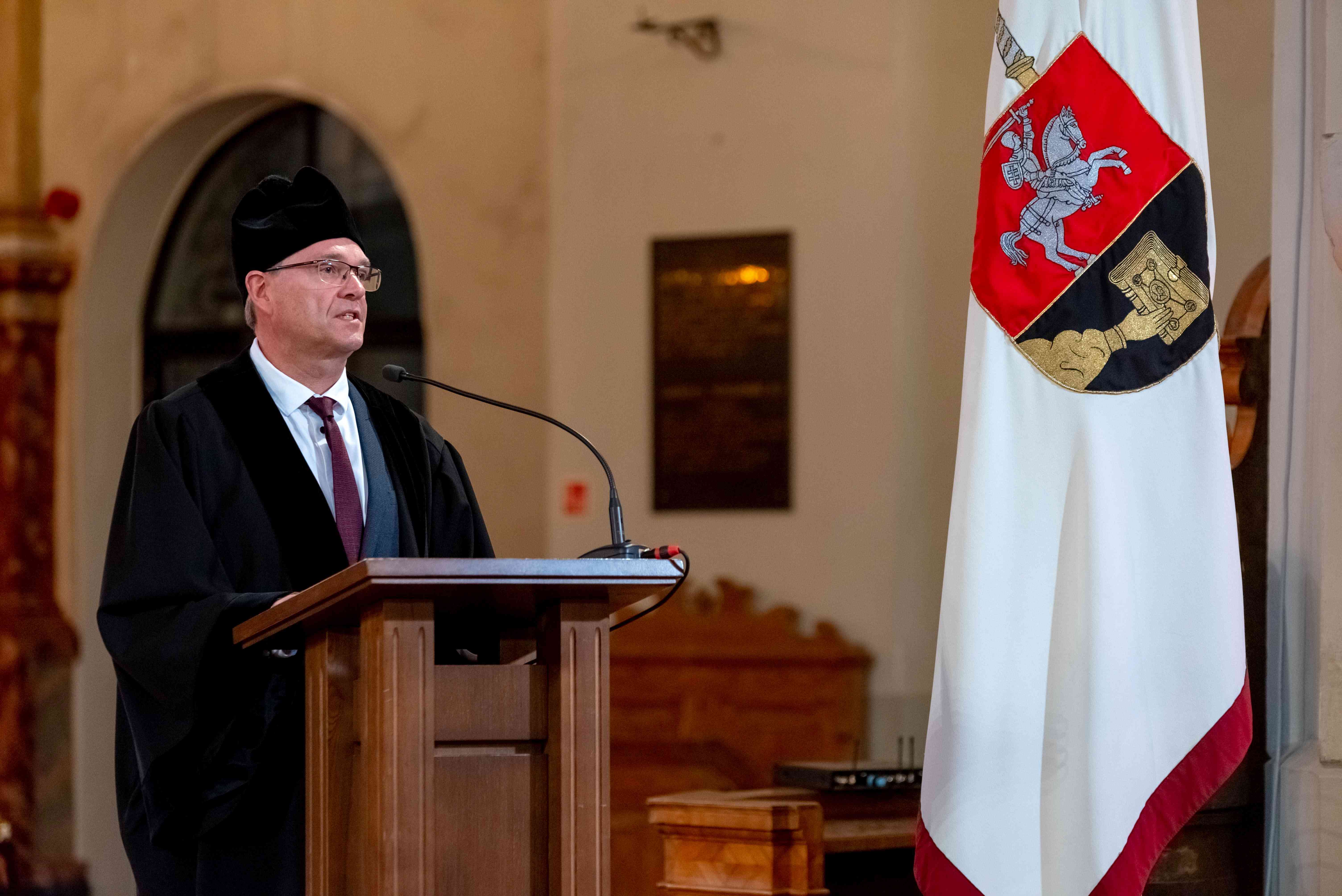
On 10 October, the Senate of Vilnius University (VU) conferred the title of Honorary Doctor of Science on three distinguished scholars at a solemn meeting of the Senate held at the Church of St. Johns. Hans Kjeldsen, Professor of Aarhus University (Denmark) awarded Honorary Doctorate for his outstanding work in the field of the asteroseismic studies of stellar structure and in recognition of his close scientific bonds with Vilnius University.

On Tuesday, the Royal Swedish Academy of Sciences awarded the 2024 Nobel Prize in Physics to Professor John Hopfield from Princeton University (USA) and Professor Geoffrey Hinton from the University of Toronto (Canada) for fundamental discoveries enabling machine learning tasks using artificial neural networks. According to Dr Stepas Toliautas, an associate professor at the Institute of Chemical Physics at Vilnius University (VU), the awarded scientists applied principles from the field of physics that popularised the use of artificial neural networks for analysing complex data (e.g., images); due to these discoveries, neural networks are now an essential part of artificial intelligence systems.
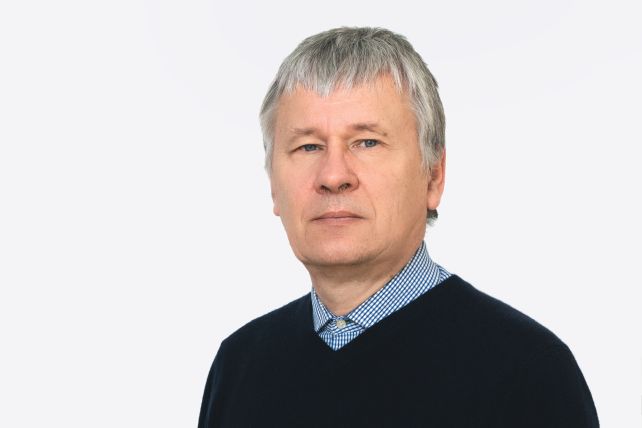
Professor Gediminas Gaigalas, Vilnius University, Faculty of Physics, Institute of Theoretical Physics and Astrophysics (ITPA), a world-leading researcher in theoretical atomic physics, has been awarded an honorary doctorate from the Faculty of Technology and Social Sciences, Malmö University.

This year, a prestigious European Research Council (ERC) grant was awarded to Prof. Mantas Šimėnas, a researcher from the Institute of Applied Electrodynamics and Telecommunications at the Faculty of Physics (FP) of Vilnius University (VU).

Vilnius University researchers and partners from the National Taipei University of Technology (NTUT) are invited to apply for research projects in physics, chemistry, artificial intelligence and/or cyber security.
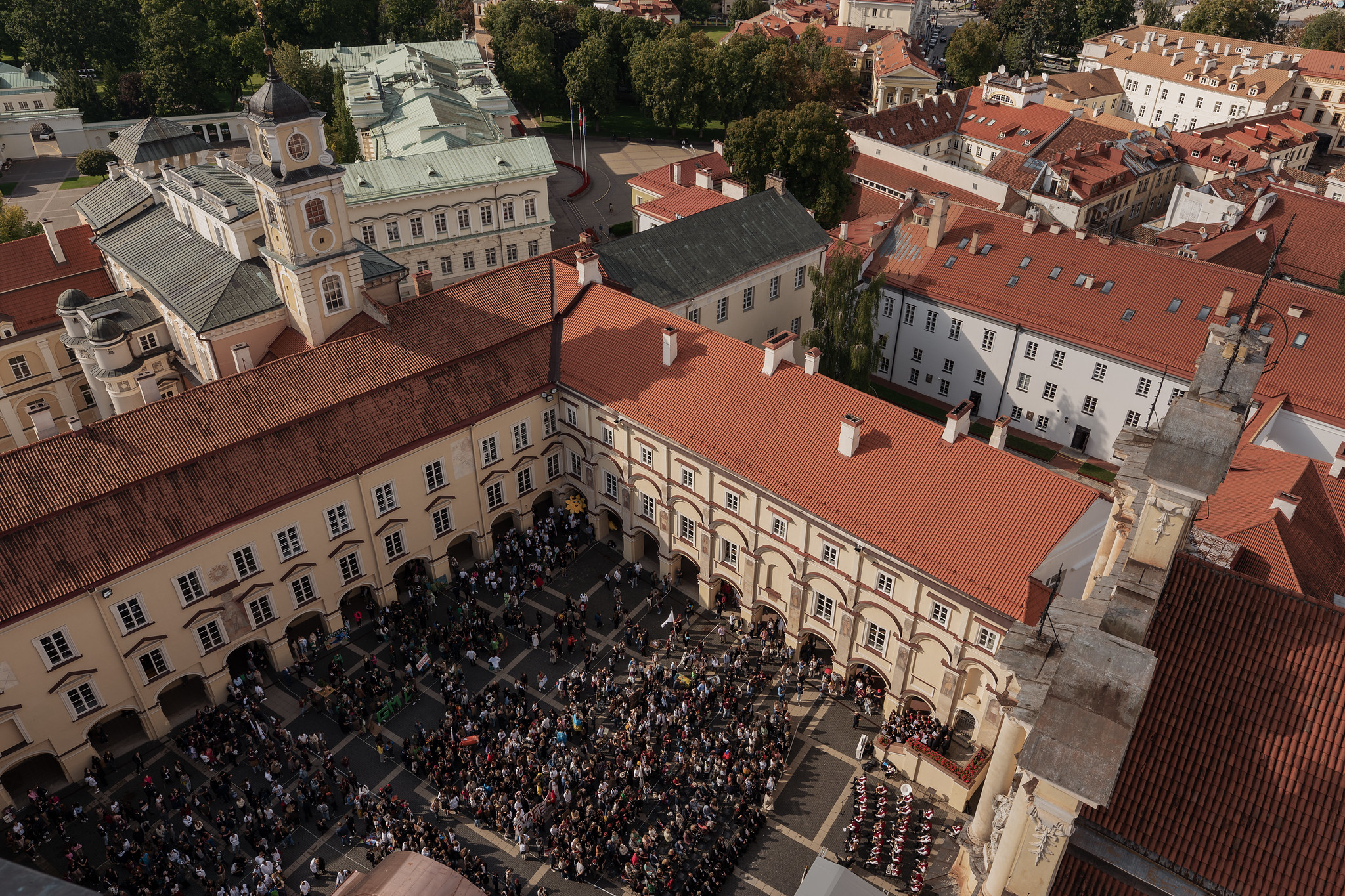
Coming to a foreign country can be both exciting and challenging. That's why Vilnius University (VU) invites all international students to participate in the Introduction Days. During these days, you can expect to meet faculty coordinators, take guided tours of VU, and join various interesting activities that will help you connect with both Lithuanian and international students.

During the General Assembly of the International Astronomical Union (IAU) that took place from 6 to 15 August in Cape Town, South Africa, Gražina Tautvaišienė, a renowned Lithuanian astronomer, Head of Molėtai Astronomical Observatory, and Professor at the Institute of Theoretical Physics and Astronomy of Vilnius University (VU), was elected Vice-President of this esteemed organisation.

Europe's “Laser School”: Lithuania, a semiconductor technology powerhouse, is more than just a semiconductor producer. More than 60 laser companies compete for 2.7 million population in a small country... Lithuania is a leader in ultrashort pulse lasers.

From 4 to 8 November 2024, the University of Lyon 1 will host the first Arqus Staff Training Week on Inclusion & Diversity, focusing on accessibility. The Arqus Inclusion & Diversity Hub promotes the staff week, which welcomes staff from all partner universities to learn, share experiences and best practices, and engage in practical activities.
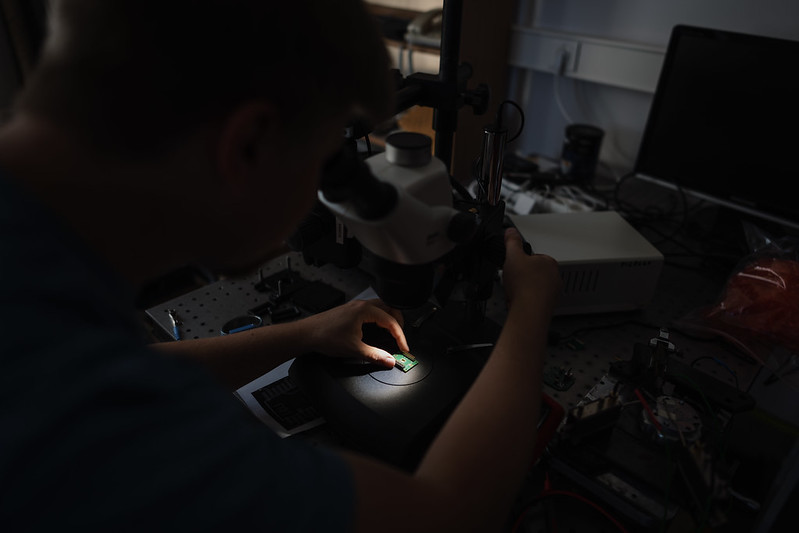
Starting this autumn, a new elective course on Antenna engineering will be offered to Master's students in Electronics and Telecommunications Technology.
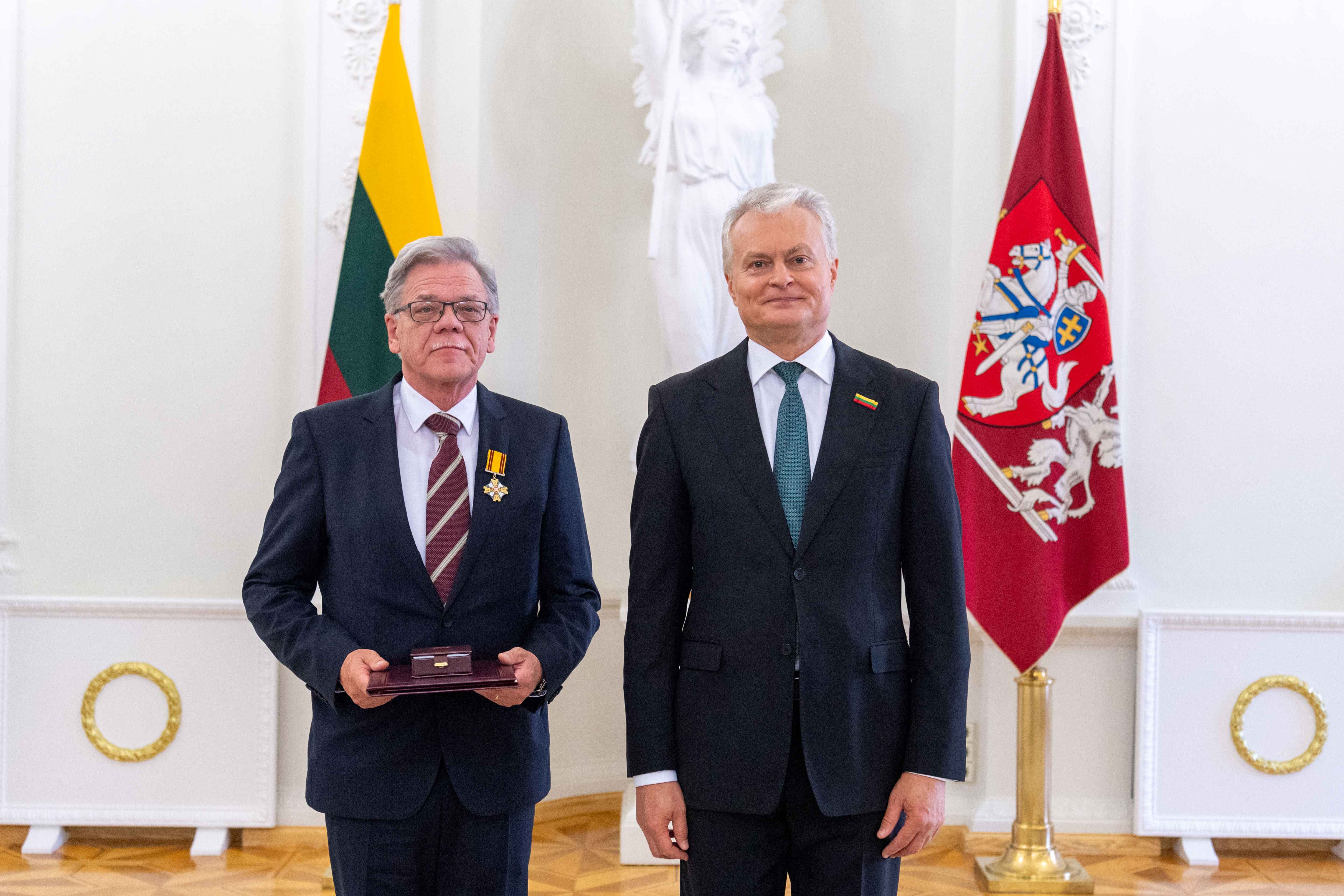
On 6 July, on the Statehood Day, President Gitanas Nausėda awarded nearly 80 Lithuanian and foreign citizens with state orders and medals.
Vilnius University (VU) has risen by more than 30 positions in the new QS University Ranking. VU now ranks 439th and remains the clear leader in Lithuania. This year's rankings include an unprecedented number of higher education institutions – more than 5,000 – all over the world.
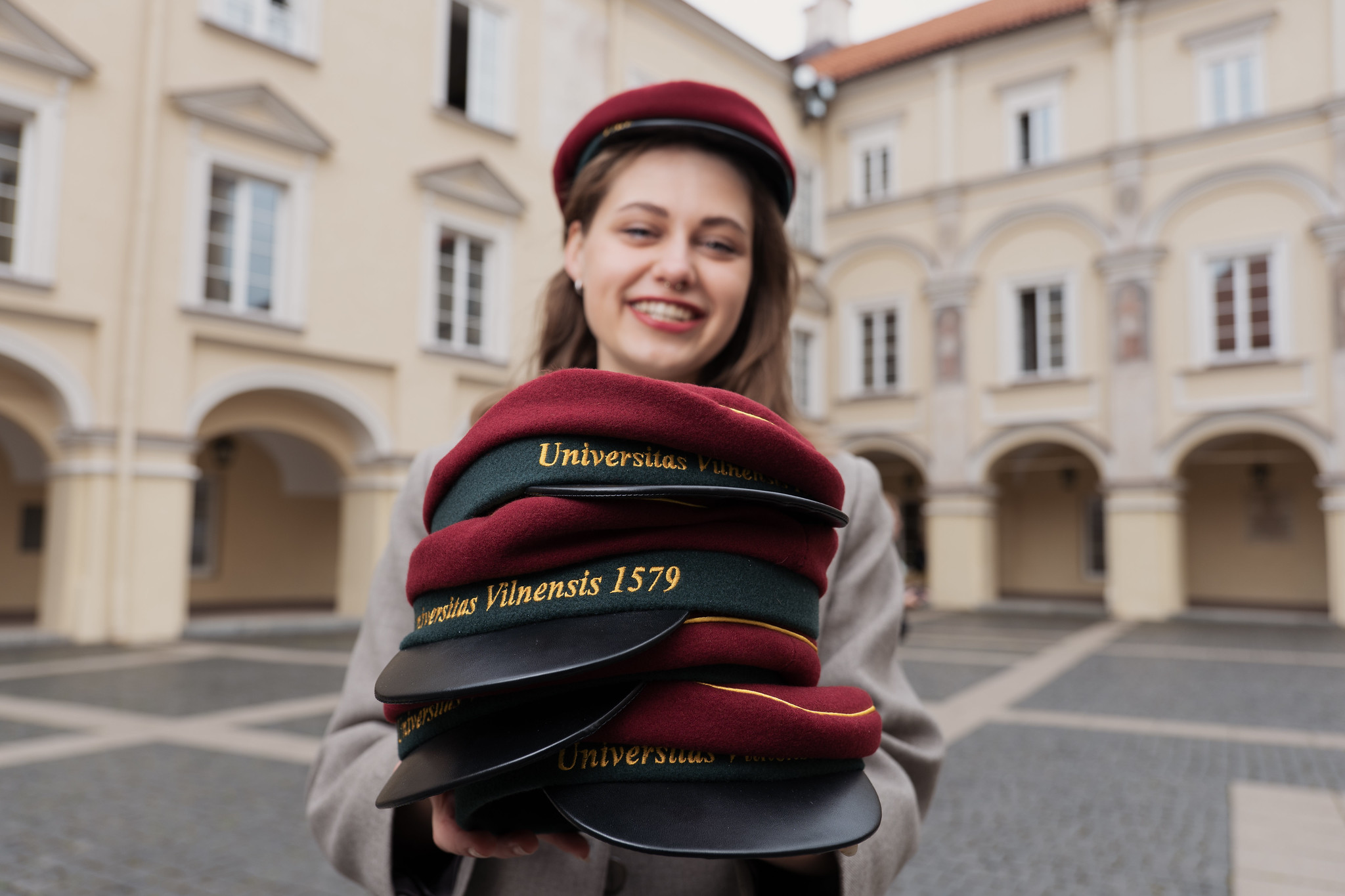
With the end of the academic year approaching, Vilnius University (VU) graduates are invited to wear symbolic VU student caps instead of gowns. This will not only highlight the uniqueness of the VU community but also emphasise the University’s authenticity, traditions, and values.