

Arqus Alliance Launches Online Workshop Series on AI in Teaching and Learning
Artificial intelligence is rapidly transforming teaching in higher education – but how can these opportunities be used most effectively?
Artificial intelligence is rapidly transforming teaching in higher education – but how can these opportunities be used most effectively?
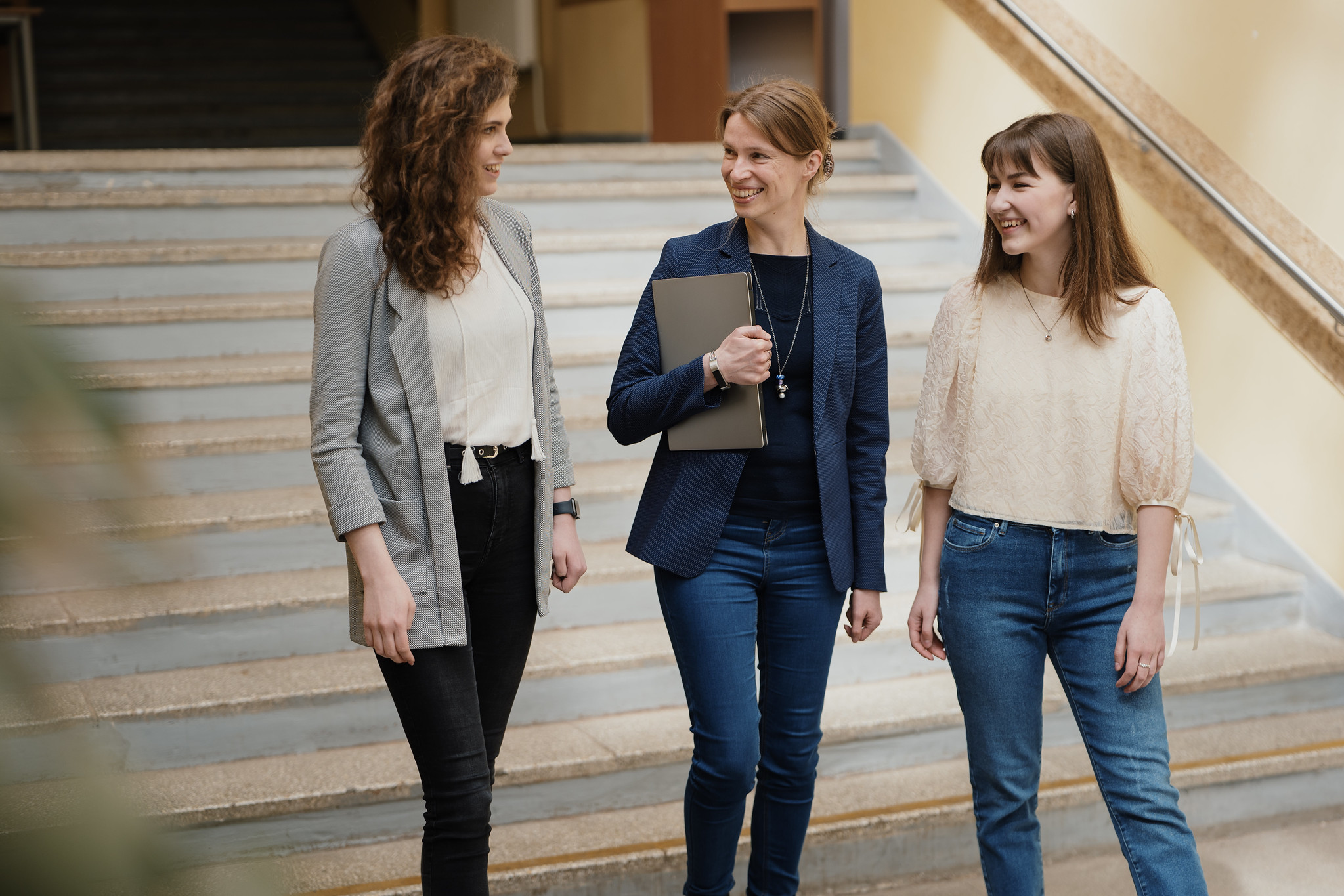
Join the Arqus Alumni Mentorship Programme for the 2025-2026 academic year. Whether you are an alumni, a young professional eager to share your knowledge or a student looking to get some advice in shaping your university or professional career, this programme offers an enriching experience for all participants.
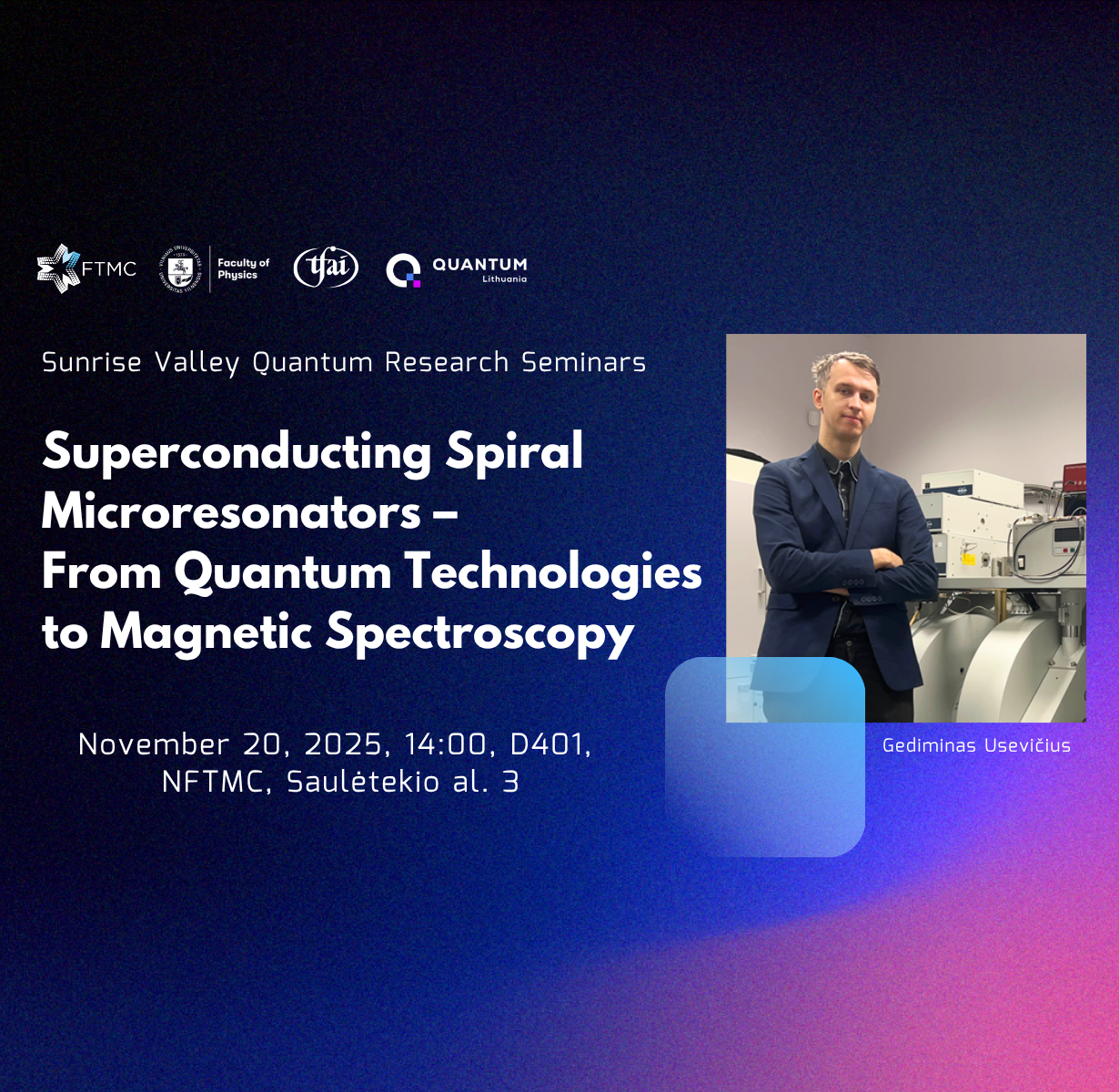
Quantum technologies are rapidly expanding our ability to control and observe quantum systems, but their impact reaches far beyond quantum computing or particle physics.
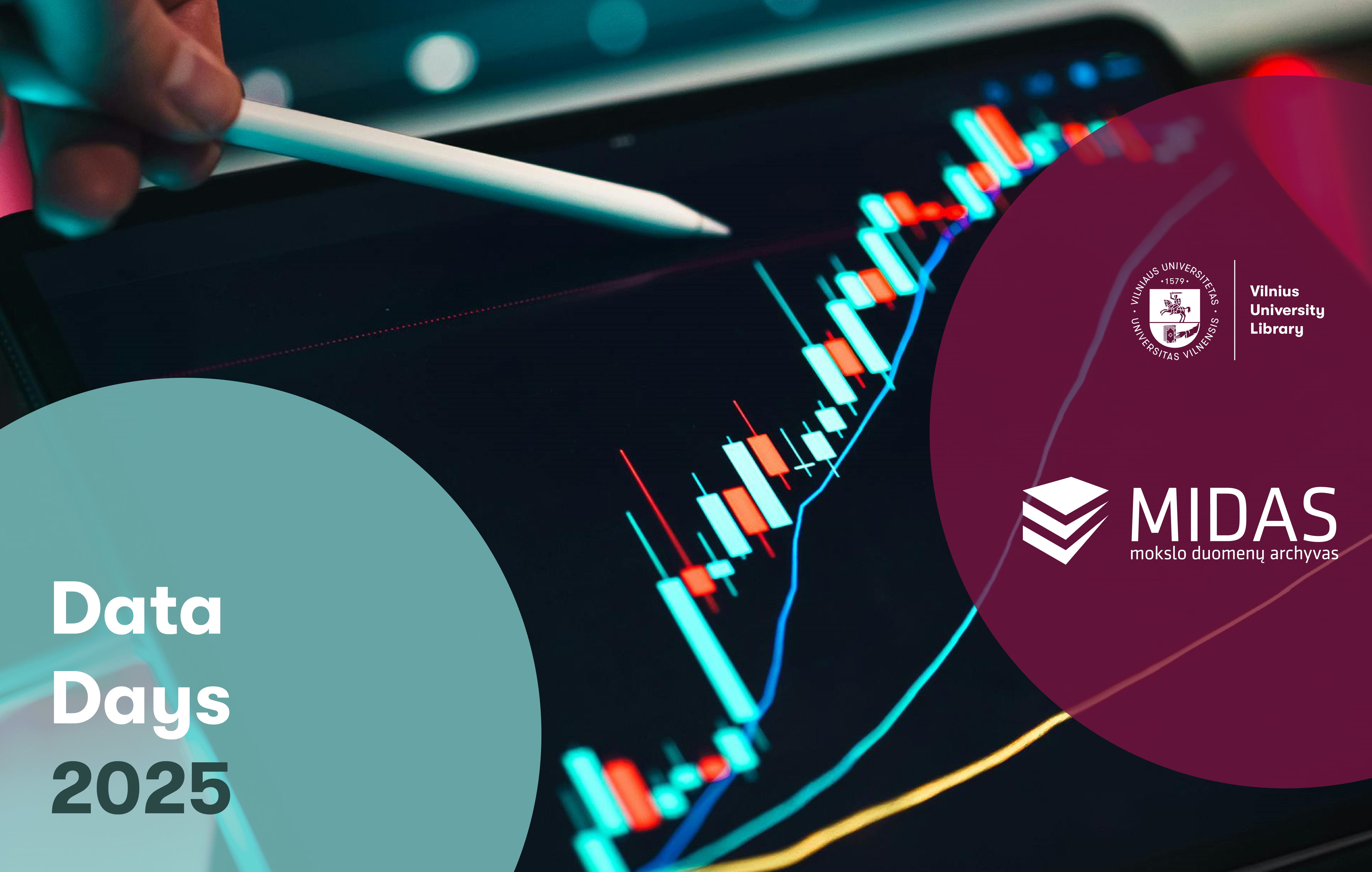
As in previous years, Vilnius University Library invites you to “Data Days”—specialised training sessions for researchers and scientists on topics related to research data management. This year’s sessions, led by guests from the Netherlands, are tailored for researchers in the field of health sciences and research software developers.
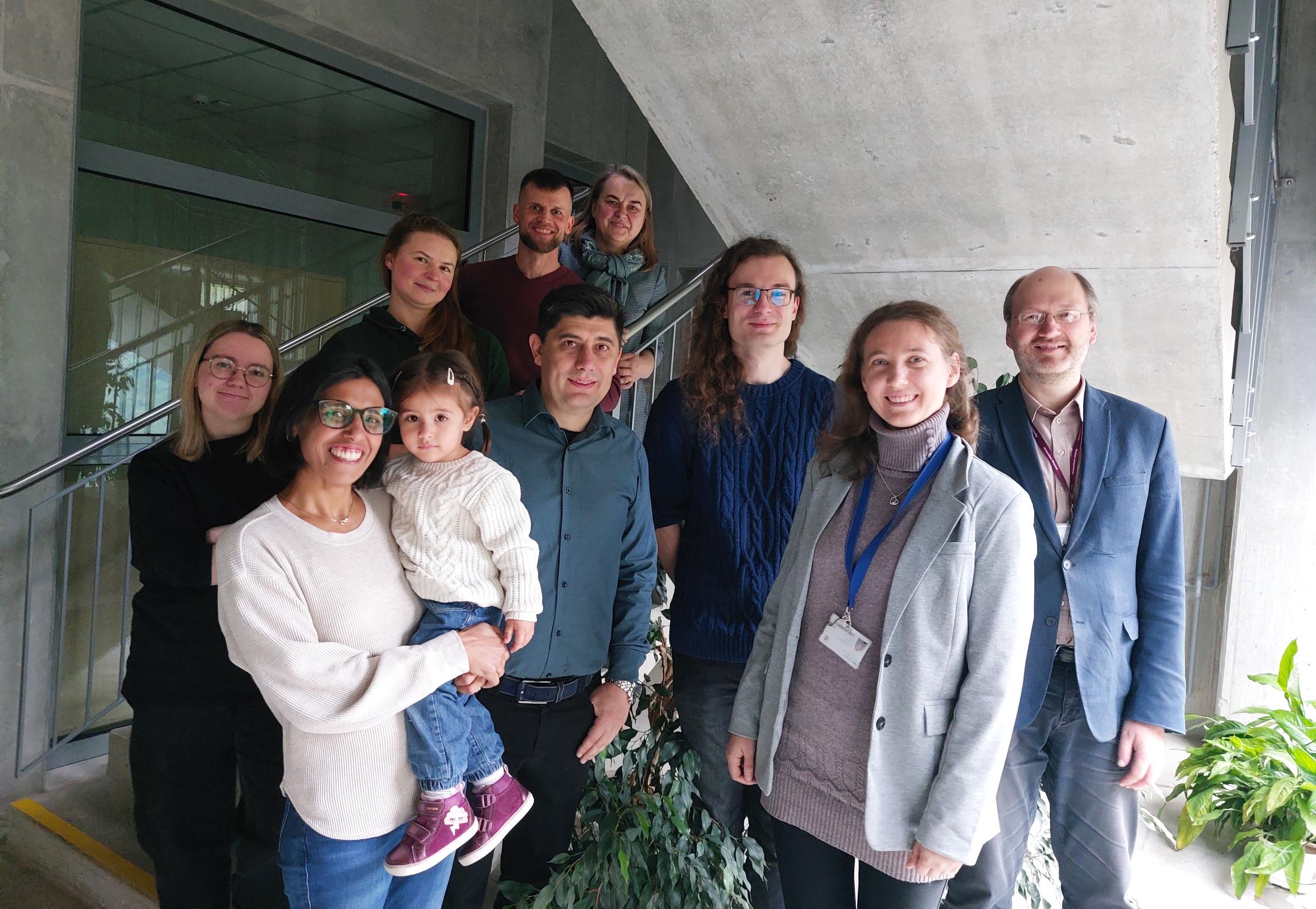
Scientists at Vilnius University (VU), together with partners in Hungary, are developing a new high-resolution optical measurement methodology based on the autofluorescence of algal cells and its correlation with their physiological state. This research could enable the development of a biosensor that uses algal health status to help detect pollution in bodies of water.
On 13–14 November, researchers from the Biological Research Centre of the Hungarian Research Network (HUN-REN) in Szeged visited the Faculty of Physics and the Life Sciences Centre at Vilnius University to discuss the results. According to VU researchers, the project is fostering and strengthening interdisciplinary collaboration in the development of innovative methods for monitoring environmental pollution.

The Arqus Alliance announces the launch of the fifth Arqus Teaching Excellence Award contest. This award seeks to recognise educators who exemplify innovation and excellence in their pedagogical practices, fostering a culture of learning that transcends disciplinary boundaries and empowers students from diverse backgrounds to thrive in inclusive, community-based and dynamic learning environments.
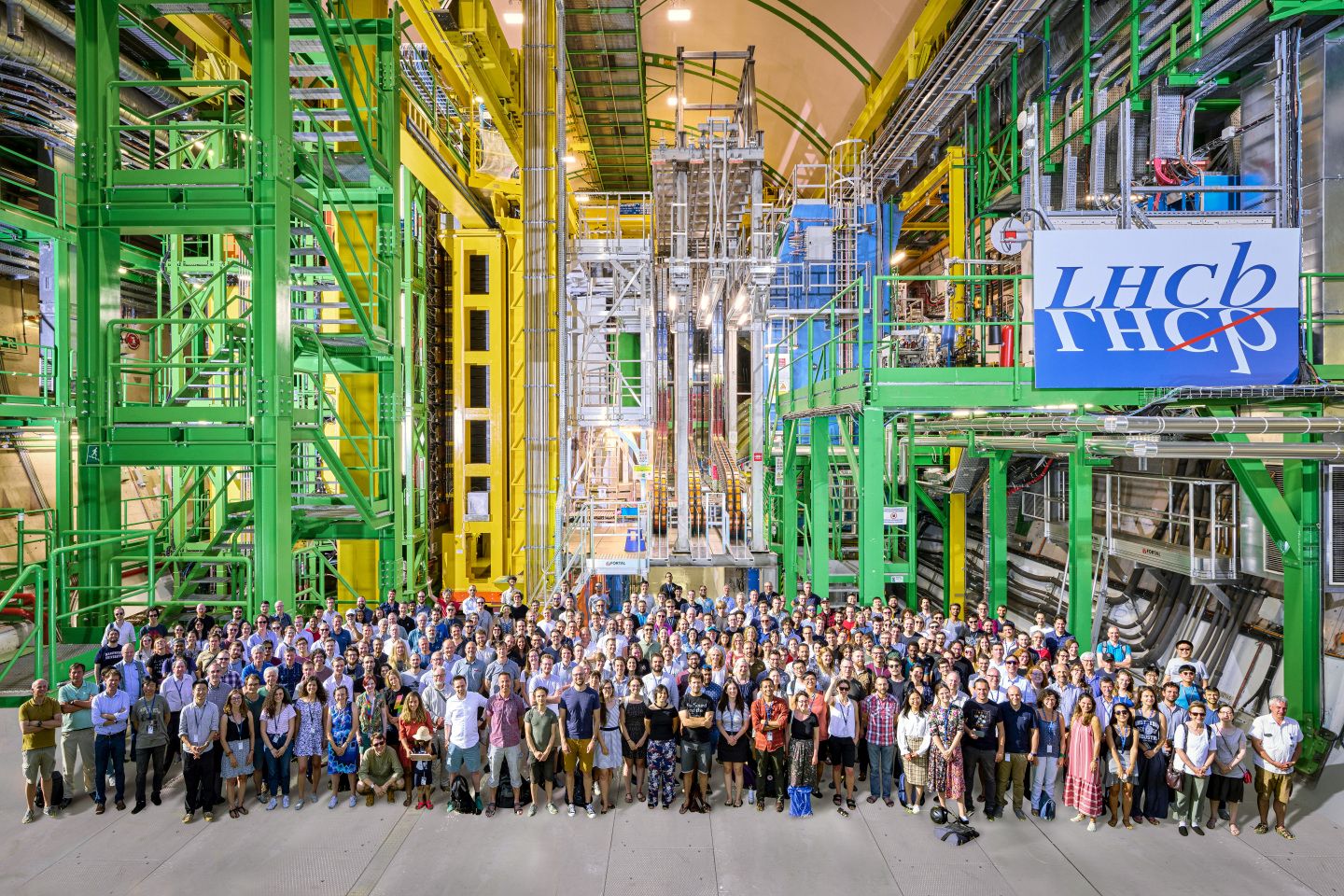
On 1 December at 16:00 in A101 aud. (National Center for Physical and Technological Sciences, Saulėtekio ave. 3), Dr Jascha Peter Grabowsky will give a public lecture "Guiding Beams and Twisting Spins: The Precision Channeling Studies of TWOCRYST and ALADDIN". He is a particle physicist and a long-standing member of the LHCb experiment.
Quantum technologies are no longer the future – they're ready to transform security, medicine, finance, energy, and communication. Brilliant minds across science and industry are ready to make a difference.
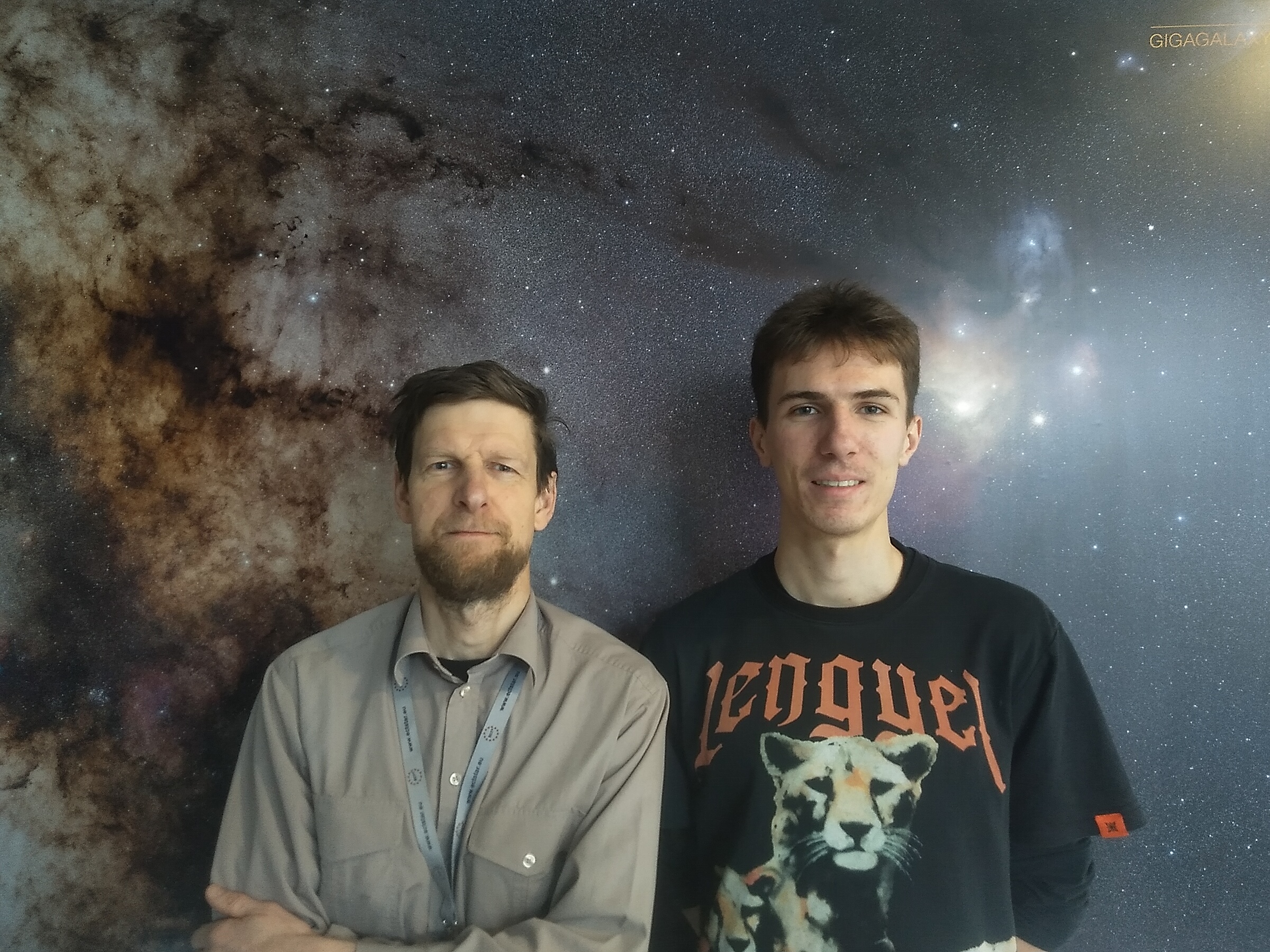
Dr Arnoldas Deltuva, a scientist from the Institute of Theoretical Physics and Astronomy at Vilnius University (VU) Faculty of Physics and master’s student Darius Likandrovas, in collaboration with an international team of colleagues, have advanced our understanding of the interactions between the particles that make up atomic nuclei – protons and neutrons. Their innovative study was published in “Physical Review C” under the prestigious Editor’s Suggestion category.
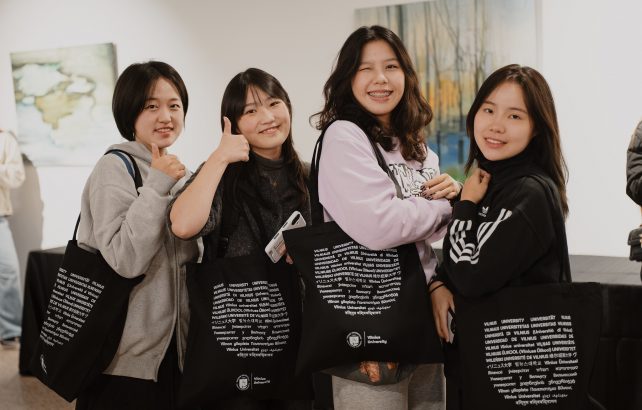
The VU Community Welfare Department is organizing three events for English speaking students next month. We invite you to join in.

Vilnius University (VU) has opened admissions for international students for the academic year 2026. VU, one of the oldest and most prestigious higher education institutions in Europe, offers students over 70 Bachelor and Master study programmes, along with two prestigious Arqus Joint Master’s Programmes, which provide an opportunity to acquire education in several European countries.
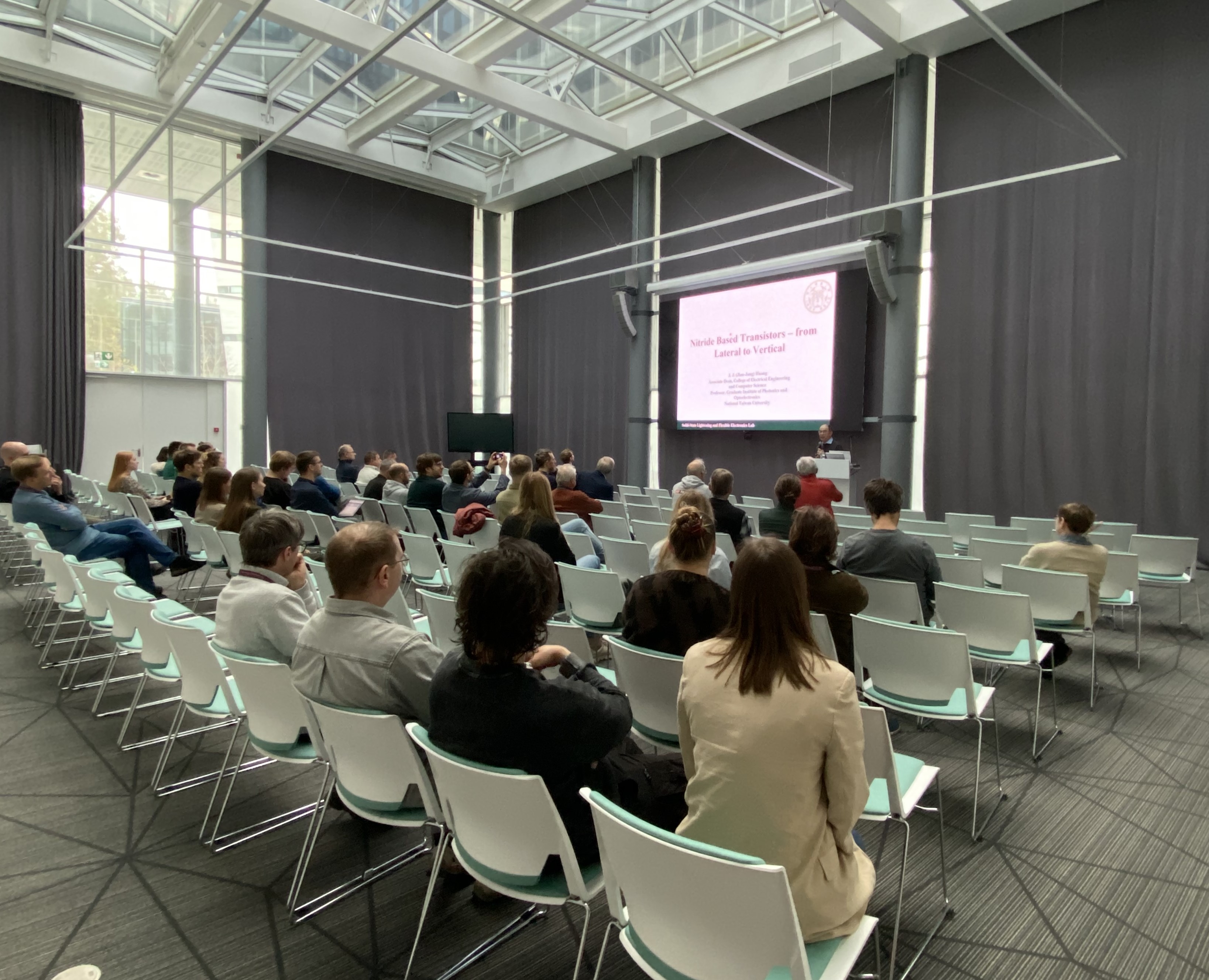
On November 7 at 14:00, a public scientific seminar entitled "From Light to Structural Architectures: Additive Manufacturing of Inorganic Materials at the Micro–Nano Scale" will be held in Auditorium 306 of the Laser Research Center at the VU Faculty of Physics.
The seminar will be led by Dr Arturo Susarrey-Arce from the University of Twente in the Netherlands. The seminar will be held in English.
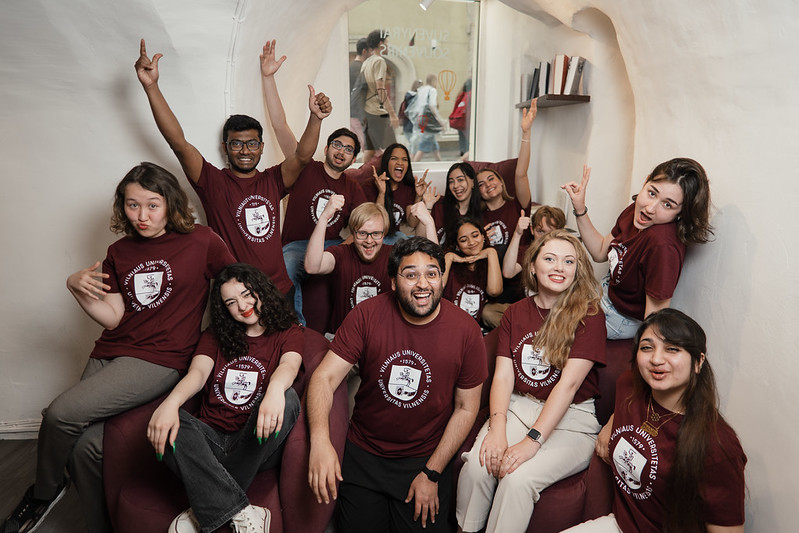
Vilnius University (VU) invites international students to join the VU Student Ambassador Programme. As an ambassador, you will share your experience and advice with other international students while developing valuable professional skills and building new connections. The initiative provides an excellent opportunity to find your place in the vibrant international VU community and the University as a whole.
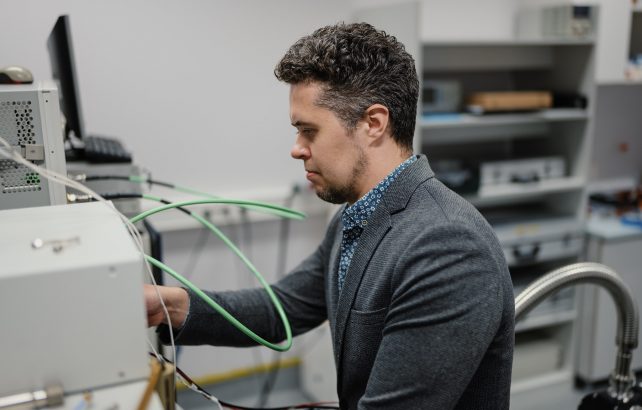
When the Nobel Committee awarded this year’s Chemistry Prize for the development of metal–organic frameworks (MOFs), physicists at Vilnius University (VU) were not surprised: ‘Nobel recognition in this field was long expected – it’s a major area not only in chemistry but also in physics,’ said Prof. Mantas Šimėnas from the VU Faculty of Physics.
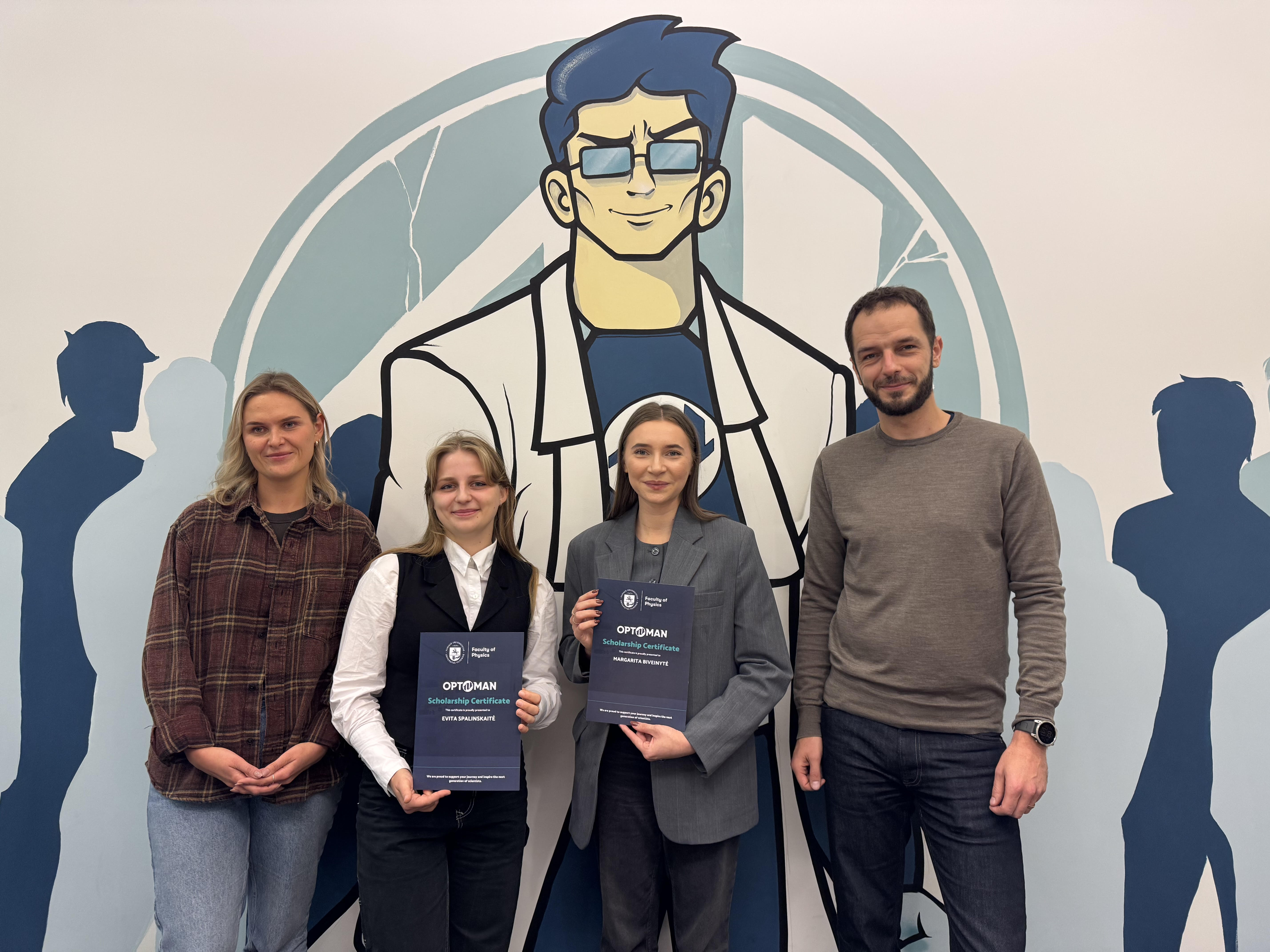
Congratulations to the winners of the "Optoman" named scholarships: master's student Margarita Biveinytė and bachelor's student Evita Spalinskaitė.

Modern physics is an incredibly complex endeavour, where conducting research and calculations is impossible without top-tier equipment. One such device, the supercomputer at Vilnius University (VU), is among the most powerful scientific instruments in Lithuania, enabling researchers in physics, chemistry, and other fields to solve problems that would be impossible to crack without it. Associate Professor Mindaugas Mačernis, the head of the “HPC Saulėtekis” centre, quantum chemistry researcher, and populariser of quantum biology, says that supercomputers are changing not only the scientific process itself but also the very understanding of what modern physicists must be capable of.
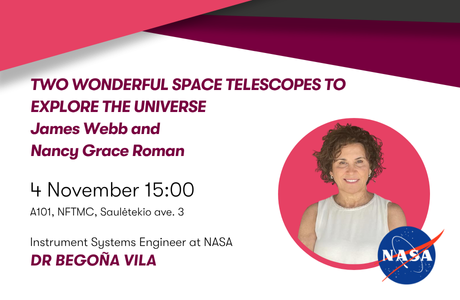
On November 4 at 15:00, in A101 aud. (National Center for Physical and Technological Sciences, Saulėtekio ave. 3), Begoña Vila, Doctor of Astrophysics and NASA Instrument Systems Engineer, will give a public lecture "Two Wonderful Space Telescopes to Explore the Universe: James Webb and Nancy Grace Roman".

The Arqus Alliance is pleased to announce the first webinar in its English-Medium Instruction (EMI) Seminar Series for the academic year 2025-2026, run by Maynooth University. The topic of this year’s series is: Effective assessment in English-taught programmes and classes.

More than 90 CERN colleagues from Lithuania, Latvia, and Estonia, along with the invited guests, gathered at Kaunas University of Technology for the CERN Baltic Conference.