Sidebar

Starting your studies in a new country can be both exciting and challenging. After settling into a new city, one of the best ways to feel at home is to explore its culture, places, and everyday life. International students at Vilnius University (VU) share their advice on discovering Lithuania – including must-see locations, cities worth visiting, and the Lithuanian words that can make everyday interactions smoother.

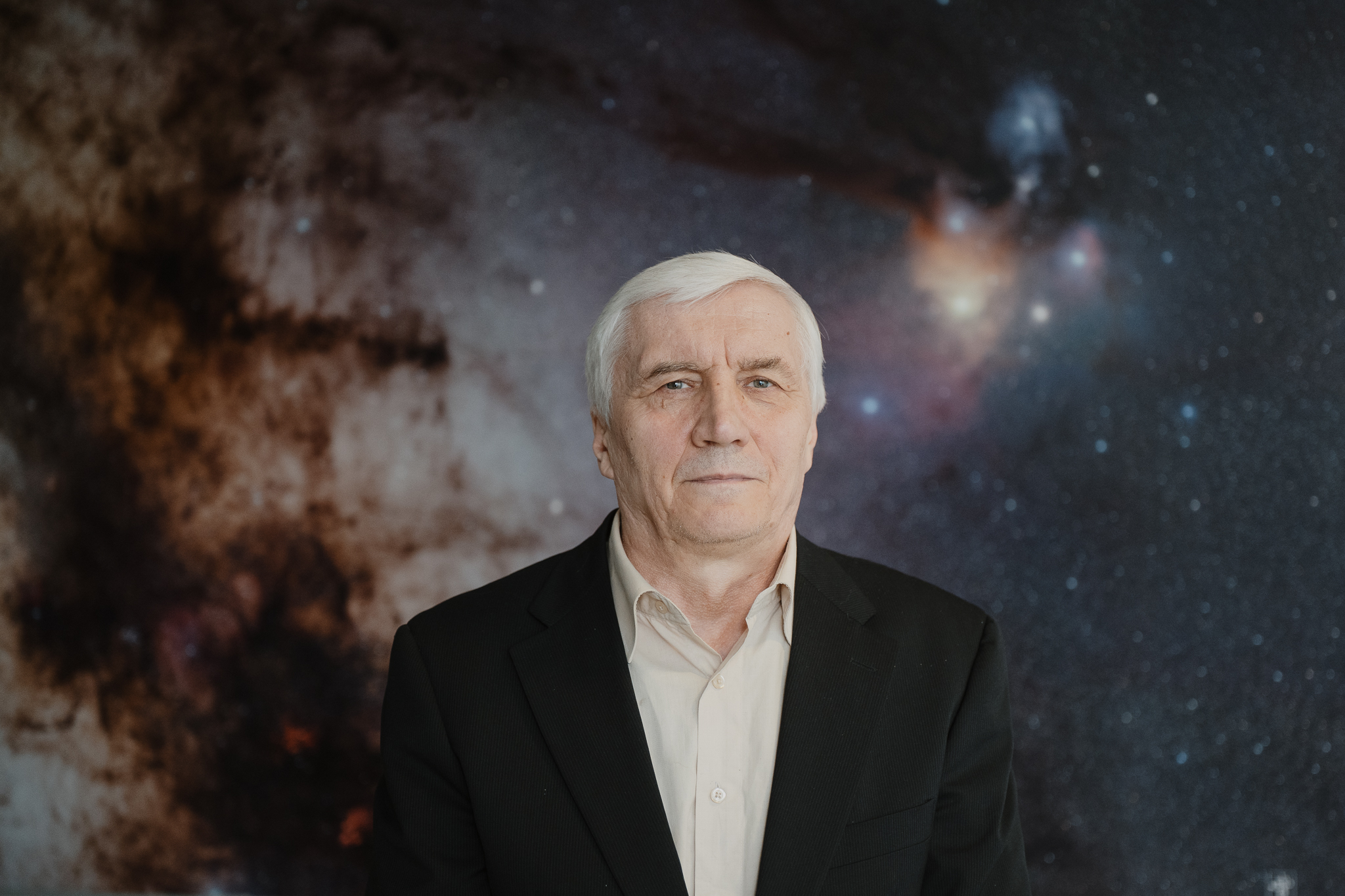
“I had a lot of motivation learning Lithuanian because I wanted to learn an ancient Indo-European language and communicate in it where I am living now. I have really enjoyed the process,” says Raul Aliyev, Vilnius University (VU) alumnus from Baku. He recently graduated from the Master’s programme in Electronics and Telecommunication Technologies at the Faculty of Physics. According to him, studying here in Lithuania was a truly enriching experience, both academically and personally. The alumnus not only completed his degree and received a Lithuanian state scholarship but has also decided to stay in Lithuania, continuing his academic journey by pursuing further studies.

Whether you completed a bachelor's or master's degree at the Faculty of Physics or earned your doctorate here, you are an important part of the VU community.

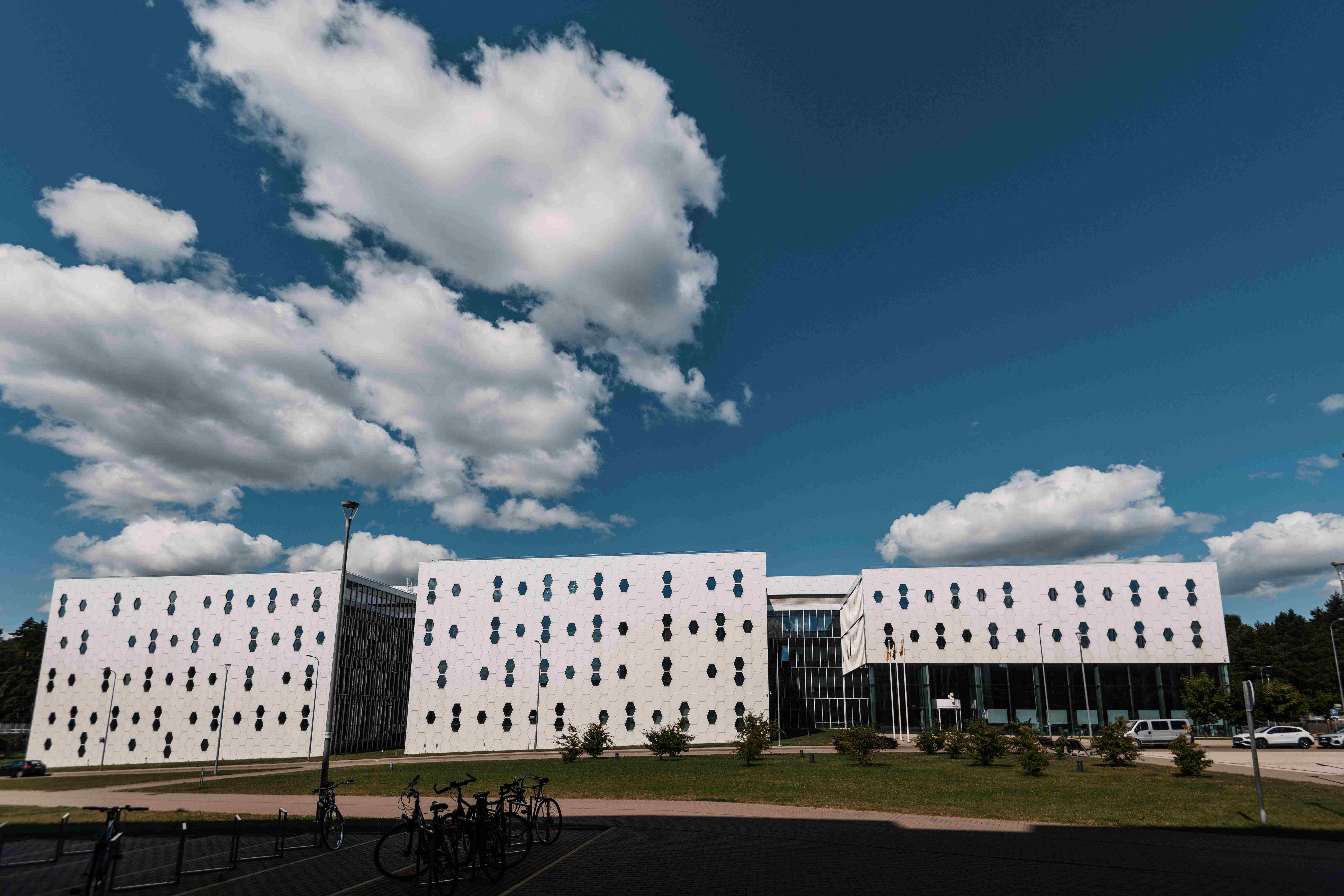
We invite you to drop by the faculty at Saulėtekio ave. 9, Building III, and reconnect with coursemates, lecturers, and colleagues you haven't seen in years.

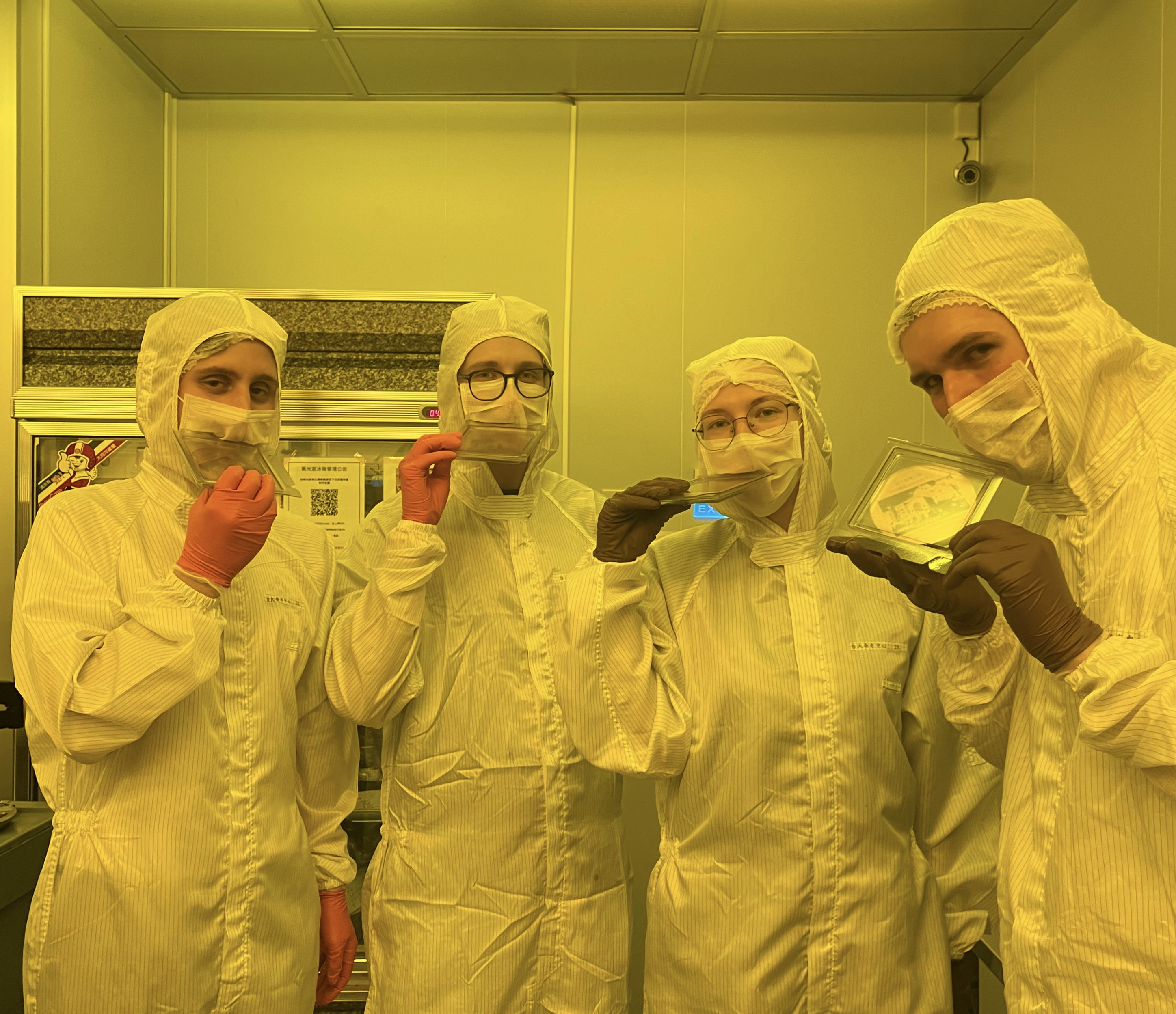
Students from the Faculty of Physics at Vilnius University (VU) spent July gaining international experience in Taiwan. Undergraduate, master’s, and PhD students from a range of study programmes took part in the Taiwan-Europe Semiconductor Short-term Training Programme.

Delivered in parallel two- and four-week formats, the programme included specialised courses at National Taiwan University (NTU), National Cheng Kung University (NCKU) and the Taiwan Semiconductor Research Institute (TSRI).

Alongside their academic training, participants visited leading research and industrial centres, explored Taiwan’s semiconductor ecosystem and gained hands-on practical experience in one of the world’s foremost semiconductor hubs.

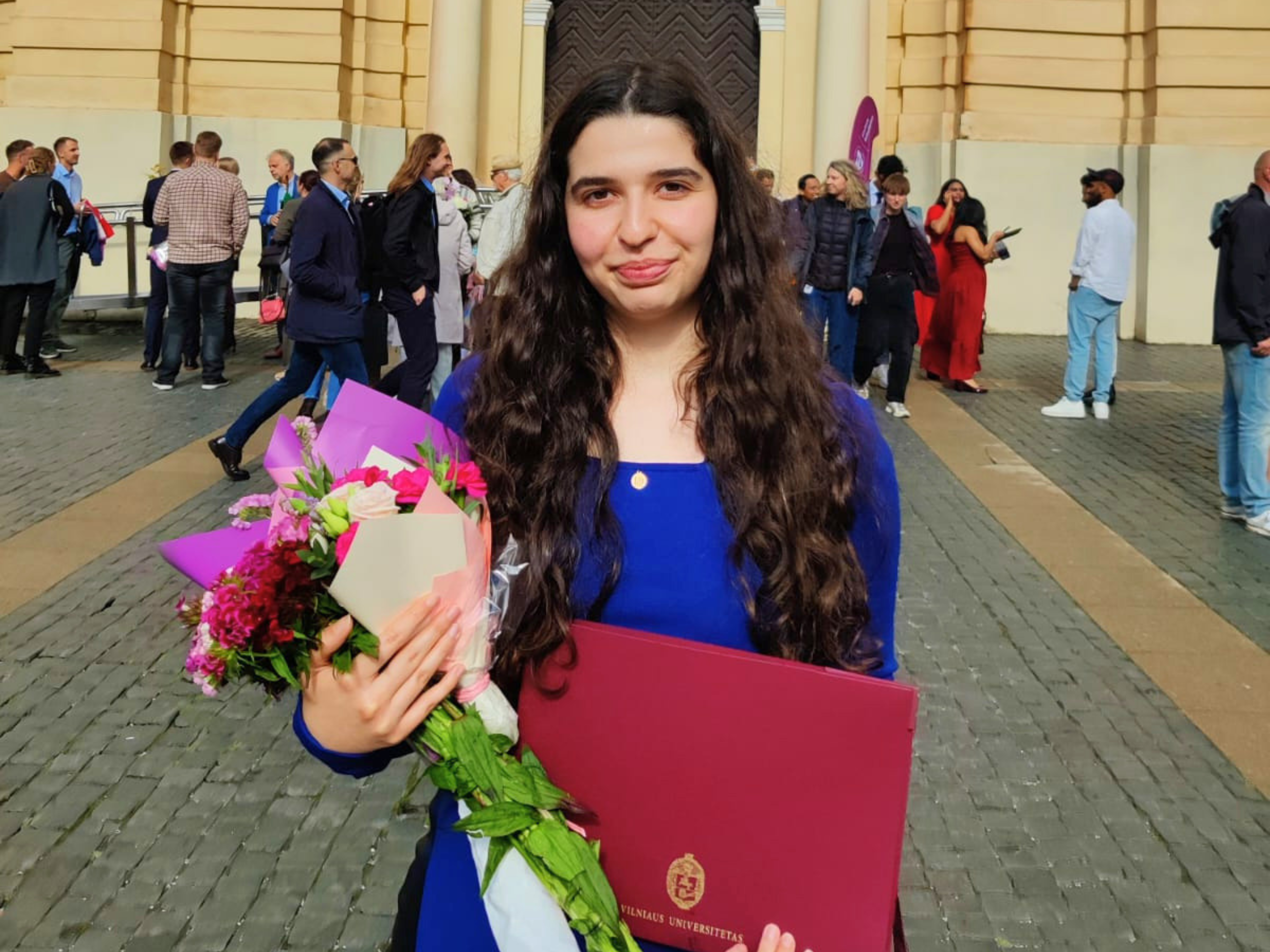
“It’s one of the best experiences I have had, to live and study in Vilnius. The city is very beautiful, and I used to just walk around the old town at least every weekend to refresh my mind”, says Dharma Prasetya Permana, Vilnius University (VU) Faculty of Physics alumnus from Indonesia. He just received a master’s degree in physical sciences in the Laser Physics and Optical Technologies study programme, in which he was actively involved in various national and international scientific activities.

“Being part of this community has been instrumental in shaping my development as an experimental physicist,” says Seda Türkcan, a student from İstanbul, speaking about her academic journey at Vilnius University (VU). She just finished her master’s degree in the Photonics and Nanotechnology program at the VU Faculty of Physics and will be pursuing a PhD here as well. Here is her story of pursuing her passion for physics, developing as a researcher, and finding opportunities to grow academically at Vilnius University.

Vilnius University (VU), together with its Arqus Alliance partners – the University of Graz (Austria), Leipzig University (Germany), Durham University (United Kingdom), the University of Granada (Spain), and Maynooth University (Ireland) – as well as the consulting firm Ernst & Young, will implement the project “European AI Sandbox for Entrepreneurial Learning (EAS-EL).”, awarded by European Innovation and Technology Institute.

At the beginning of June, 30 young members of the Lithuanian diaspora arrived in Lithuania to take part in internships through the six-week “Bring Together Lithuania” programme. The initiative offered participants a unique opportunity to explore the country, its culture, and its professional landscape. Born in the United States, Andrew Basso is delighted with his decision to undertake an internship at Vilnius University (VU) Faculty of Physics. He completed his placement in the Institute of Photonics and Nanotechnology, where he gained valuable experience.

Paulius Kazlauskas, a master’s student in the Faculty of Physics at Vilnius University (VU), is participating in the Toruń Student Summer Program in the Exact Sciences (TSSP ExSci 2026) at Nicolaus Copernicus University (NCU) in Poland. 

P. Kazlauskas is conducting research on astronomy in Toruń, where, together with Dr Pawel Zielinski, he is working with observational data on the gravitational microlensing effect from the Gaia space mission. Using spectral observations, he aims to determine the parameters of distant stars.

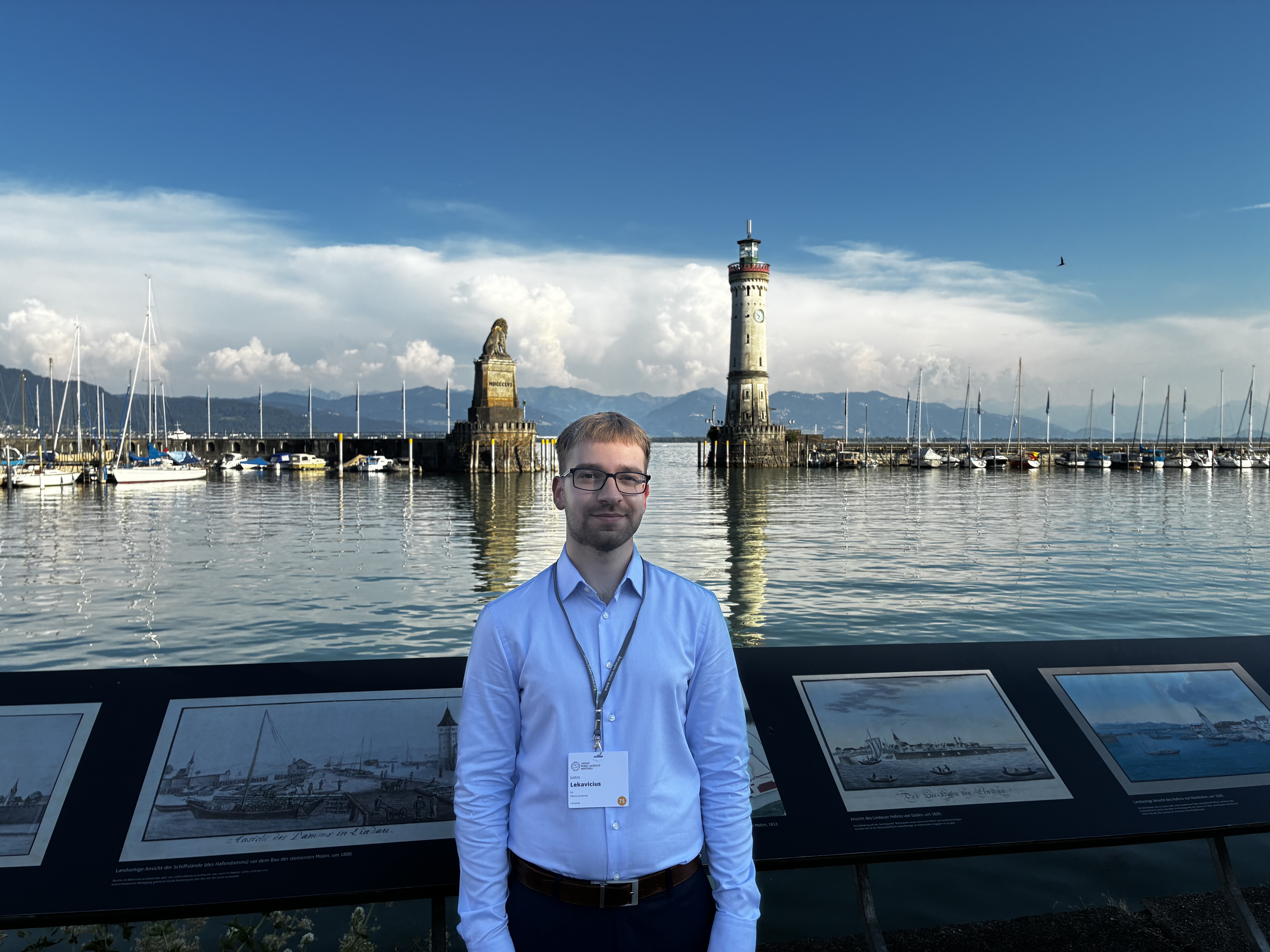
It would be difficult to name a prize that rivals the Nobel Prize in prestige. When the laureates are announced every December, journalists and audiences around the world suddenly turn their attention to that small group of people whose discoveries and achievements have earned them a place in history. Yet Nobel laureates often seem distant and out of reach to the rest of society. The Lindau Meetings, now in their 75th year, have done much to close that gap. Each year, the project brings together Nobel laureates and promising young scientists from around the world. This year, one of those young scientists was Justas Lekavičius, an alumnus of Vilnius University’s (VU) Faculty of Physics. 

Vilnius University (VU) Faculty of Physics PhD student Eulàlia Puig Vilardell, who is pursuing a joint doctorate between VU and the University of Tartu, completed a research internship at Swinburne University of Technology in Melbourne, Australia. During her stay, she visited the research group of Professor Saulius Juodkazis, Head of Nanotechnology Research Facility and VU adjunct research professor. This specialised facility is a world-class research institution, where she built international connections and investigated how a very advanced class of materials – high-entropy alloys (HEAs) – respond to extremely fast femtosecond laser pulses.

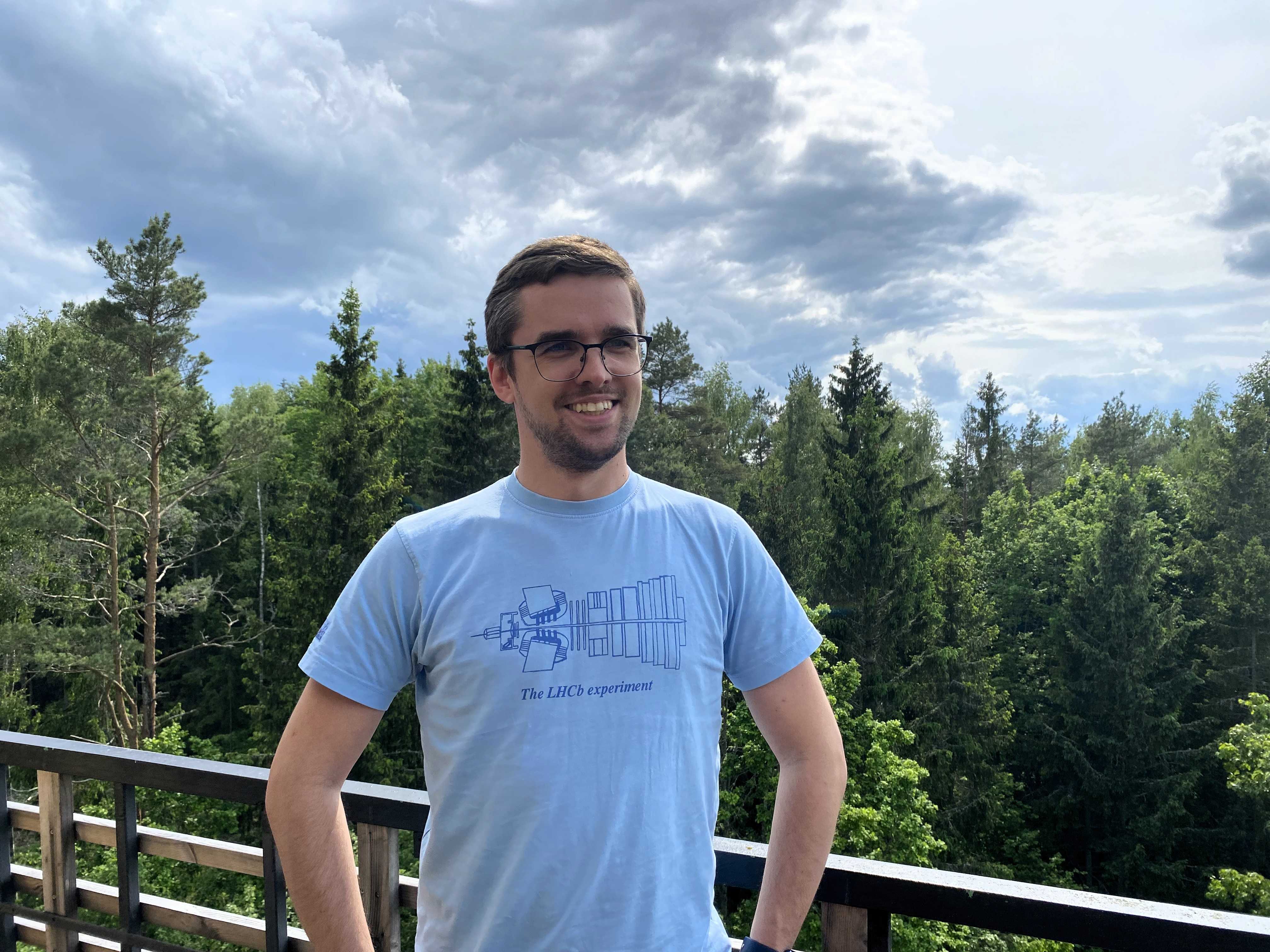
The Experimental Nuclear and Particle Physics Center at the Faculty of Physics of Vilnius University (VU) is participating in the development of the Compact Muon Solenoid (CMS) detector technology at the European Organization for Nuclear Research (CERN). VU physicists contributing to the upgrade of the inner tracker are the only ones in Lithuania refining the assembly of the electronic components of the TEPX (Tracker Endcap Pixel) modules, verifying and testing their durability and performance.

The fourth session of the Arqus Research Security webinar series will take place on Wednesday 8 July, from 11:30 to 12:30 CEST on Microsoft Teams. Researchers and research administration professionals working with research governance, compliance and international collaboration are invited to join.

Scientists from the Faculty of Physics at Vilnius University (VU) have developed a sensor capable of accurately detecting radiation, identifying its sources, and determining their intensity and precise location. The device, developed by physicists at the Institute of Photonics and Nanotechnology, Photoelectric Phenomena Research Group, is designed to measure radiation doses. It can detect doses ranging from very small to very large ones, including those typical of industrial environments or nuclear emergencies, from a few gray to megagray.