Sidebar

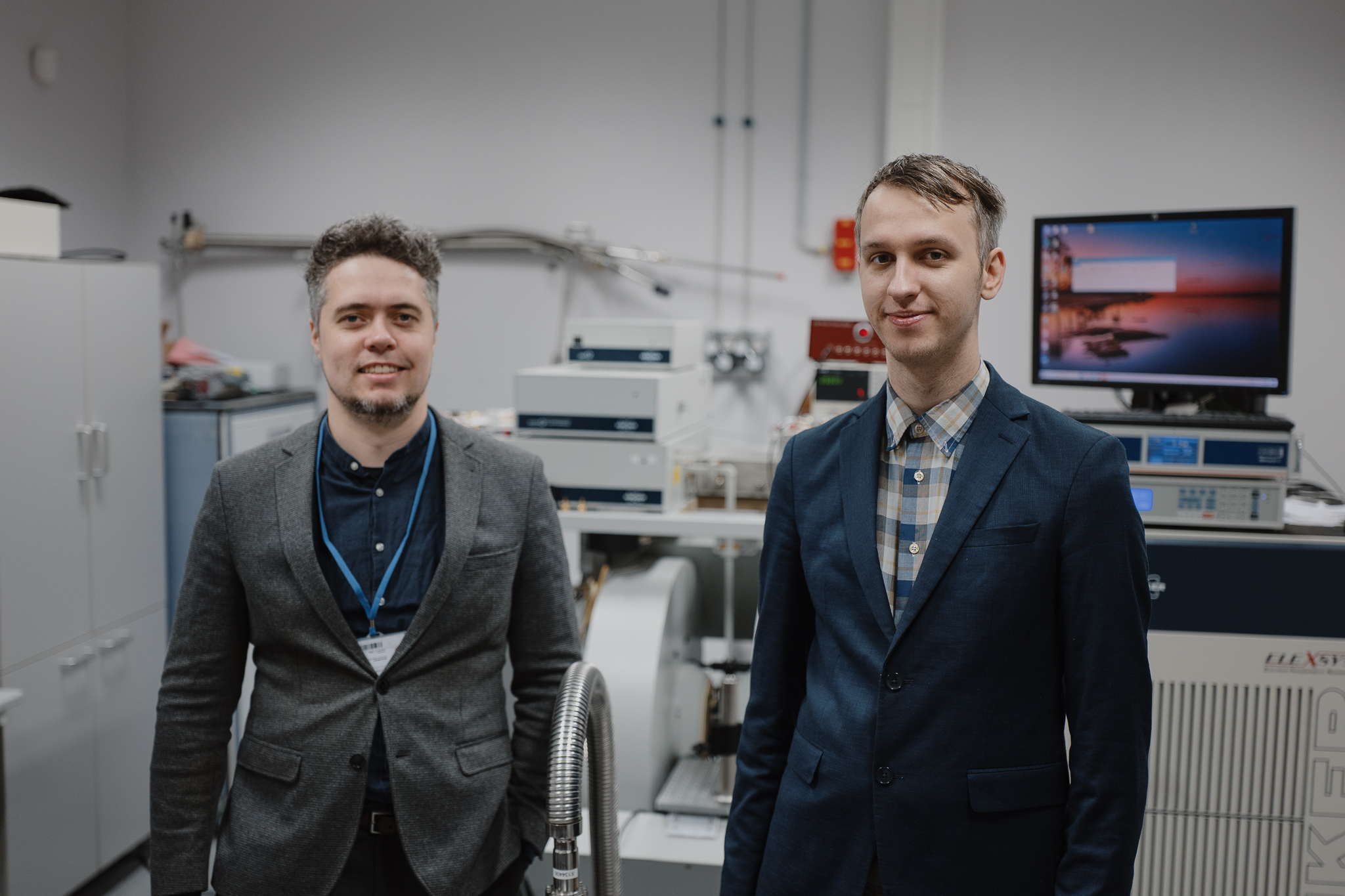
Scientists from Vilnius University’s (VU) Faculty of Physics, drawing on tools used in quantum technologies, have collaborated with an international team to develop a promising new spectroscopic device – a superconducting microwave microresonator. The innovative study has been published in the prestigious journal “Small Methods”. This achievement expands the range of applications of microresonators and paves the way for studying trace amounts of a wide variety of materials.

Ministry of Education, Science and Sport invites the most talented students of Lithuanian higher education institutions to apply for Nominal Scholarships of the Presidents of the Republic of Lithuania Republic of Lithuania Aleksandras Stulginskis (mathematics, informatics, and physical sciences study fields group) and Jonas Žemaitis (engineering sciences study fields and technology sciences study fields group).

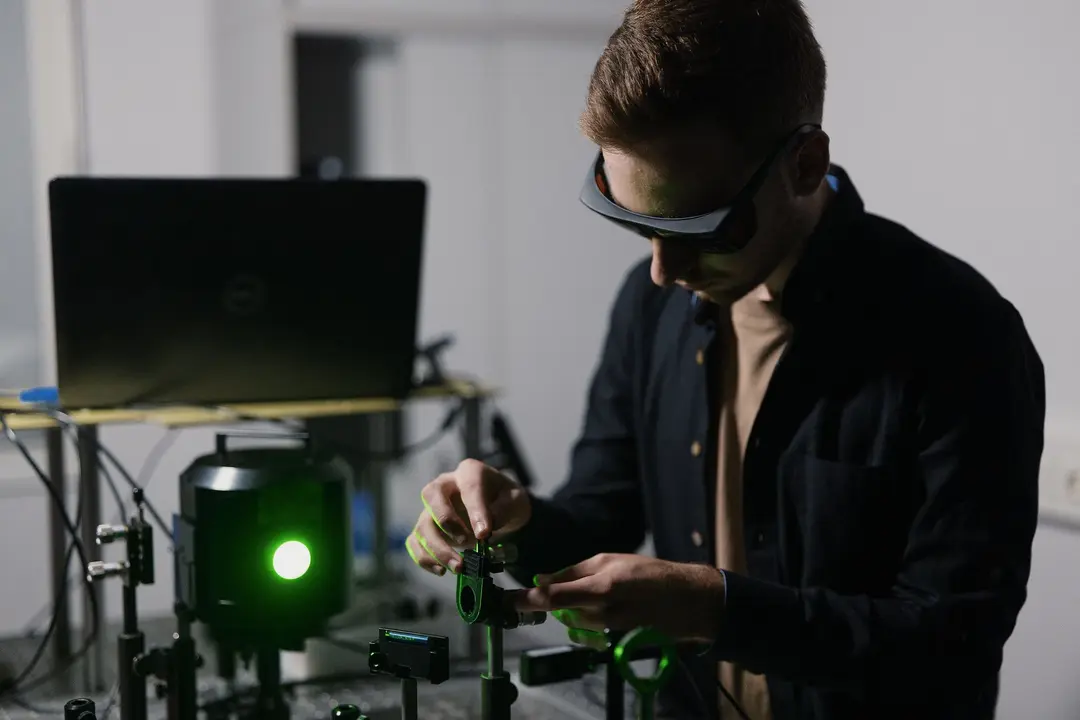
Light as the focal point of the research conducted by Valdas Šablinskas, Professor at the Faculty of Physics of Vilnius University (VU), a laureate of the Science Prize, is not a metaphor. It is a precise, calibrated, laser-controlled tool that allows one to examine places the human eye cannot see – the molecular structure of cells, biochemical changes, and early pathological processes. This light is used to create sensitive biosensors, detect early signs of oncological changes, and refine chemical analysis of materials in clinical practice.

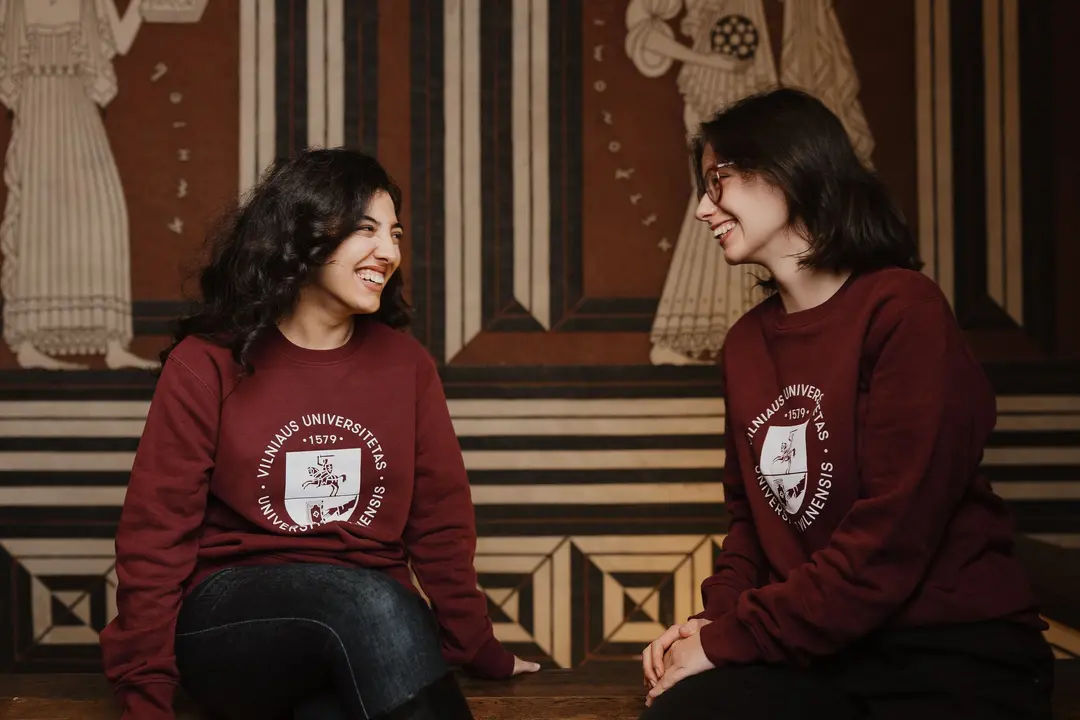
“It’s a really nice experience. Study-wise and career-wise”, smiles student from Greece Ioanna-Angeliki Petsi, speaking about her life at Vilnius University (VU) in Lithuania. She is pursuing a master’s degree in the Laser Physics and Optical Technologies program at the VU Faculty of Physics and is actively involved in several national and international research projects.

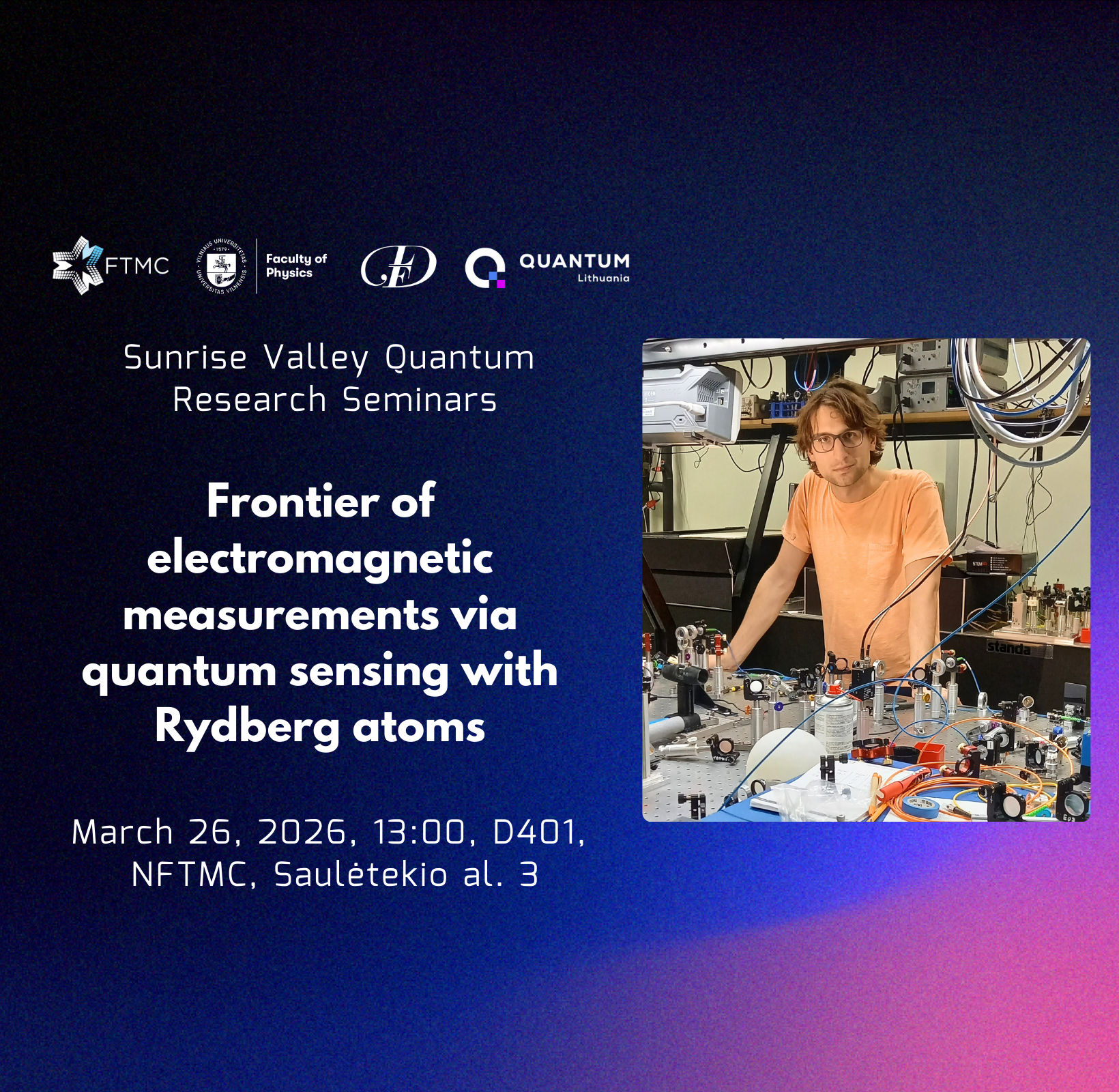
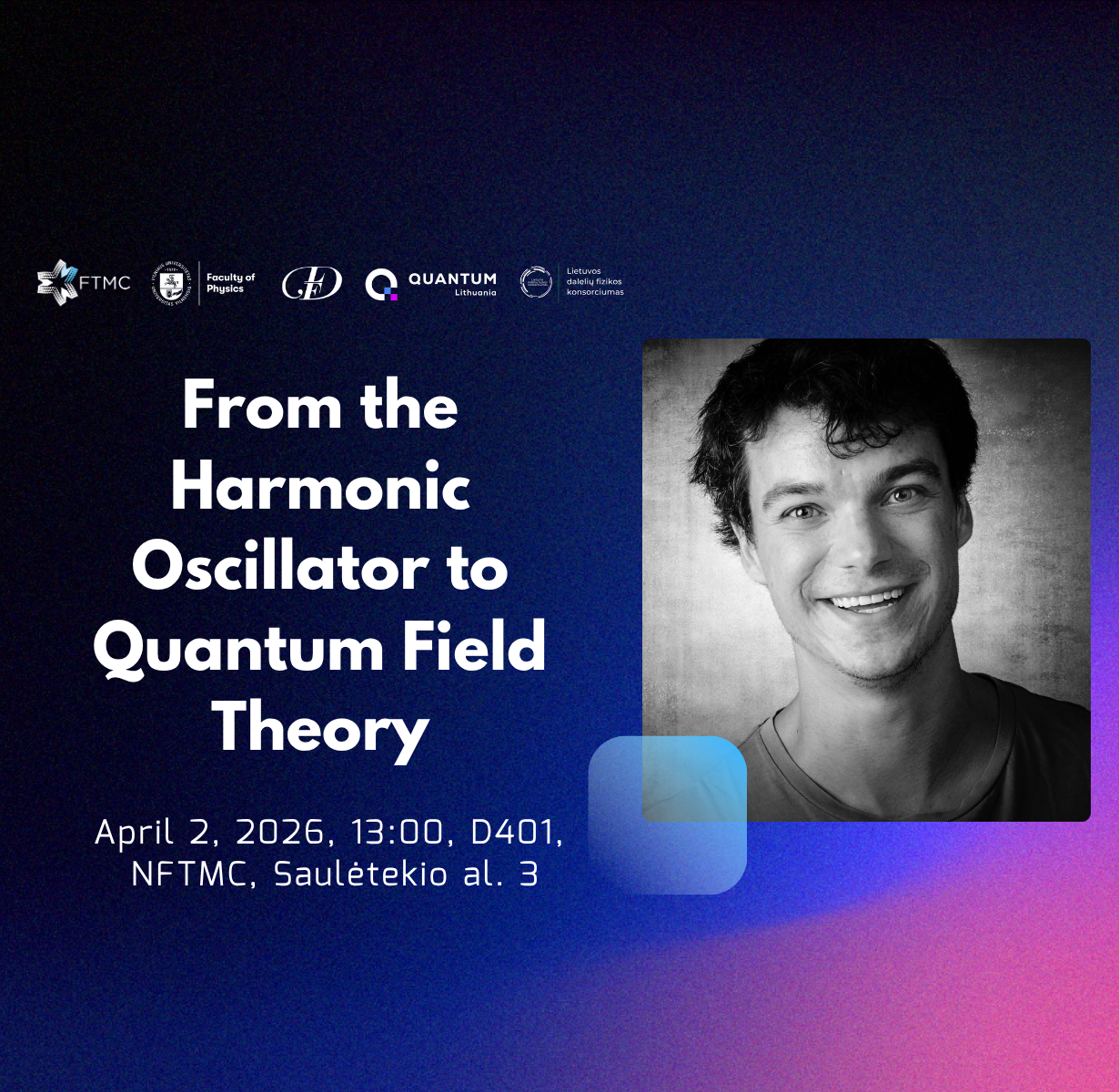
In recent years, Rydberg atoms have emerged as a promising platform for quantum sensing, enabling the detection of electromagnetic fields across a wide frequency range from MHz to THz. Atomic media offer broad tunability, high quality factors, and intrinsic calibration based on the Autler–Townes effect. However, most existing protocols still do not surpass conventional electronics in terms of sensitivity. Nevertheless, atom-based measurements hold the potential to approach the fundamental limits of electromagnetic field detection. The talk will present our efforts to develop novel Rydberg sensing protocols in both hot and cold atomic ensembles, including interaction-assisted measurements and multi-wave mixing techniques.

If you are actively involved in non-governmental organizations, participate in community, social, or other student activities, and achieve high academic results—don’t hesitate to apply! The Vydūnas Youth Foundation, in partnership with Vilnius University, invites students to apply for a scholarship.

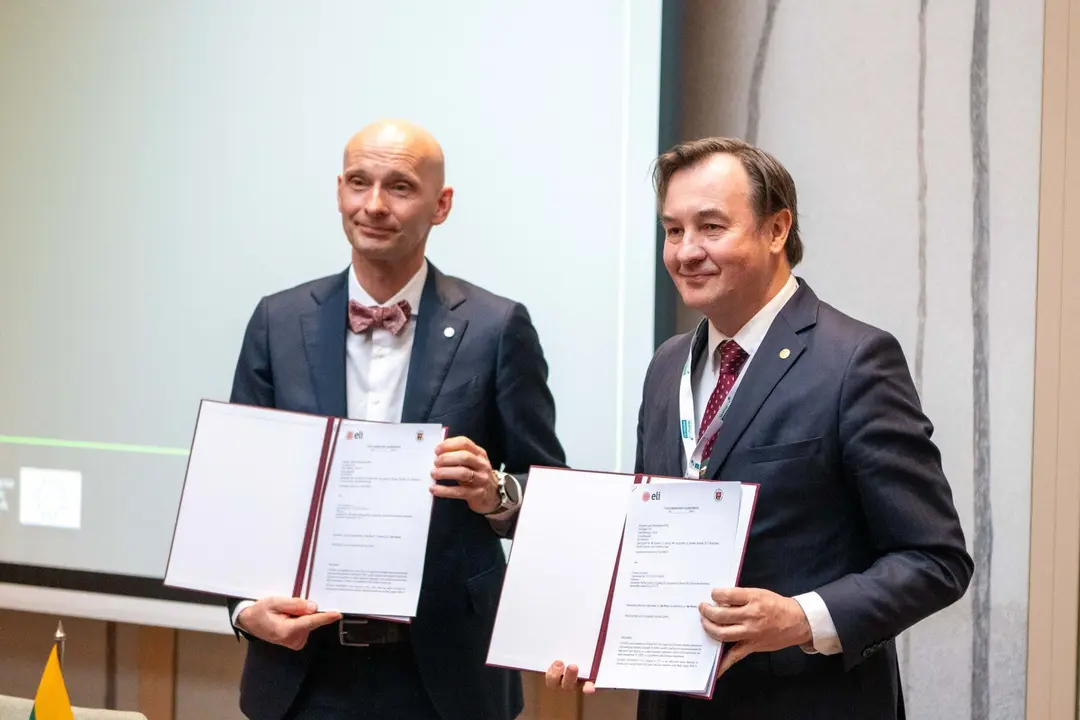
In the context of the Czech President Petr Pavel’s state visit to Lithuania, the Extreme Light Infrastructure ERIC (ELI) and Vilnius University signed a new cooperation agreement during an official ceremony witnessed by the Presidents of both countries. The agreement reaffirms the strong strategic partnership between Lithuania and ELI and further strengthens bilateral cooperation in research, innovation and advanced technologies. The partners have a shared commitment to enhancing scientific excellence, technological leadership and industrial competitiveness at the European level.

Don't not miss the opportunity to allocate 1.2% of your PIT (personal income tax) to support Vilnius University (VU) Faculty of Physics. This percentage may be split and distributed among several organisations.

There are no extra fees – in just a few minutes, you can allocate part of your income tax to organisations that truly need your support.

Income declaration and the allocation of support by completing form FR0512 are open until 2 May.

The European Commission (EC) has announced the results of the 2025 Marie Skłodowska-Curie Actions (MSCA) Staff Exchanges call, allocating EUR 97.7 million to 81 international projects. Among the funded projects are those led by two Vilnius University (VU) researchers – Prof. Almira Ramanavičienė of the Institute of Chemistry, Faculty of Chemistry and Geosciences, and Prof. Mangirdas Malinauskas of the Laser Research Center, Faculty of Physics. Both researchers submitted their proposals with VU.

The University of Padua will host the 10th edition of the MSCA MaRaThoN@University of Padua – Developing High-Impact Research and Training Proposals – from 20 to 22 May 2026. The three-day intensive training programme is intended for outstanding researchers planning to submit a proposal for a Horizon Europe Marie Skłodowska-Curie Postdoctoral Fellowship with the University of Padua as their host institution.

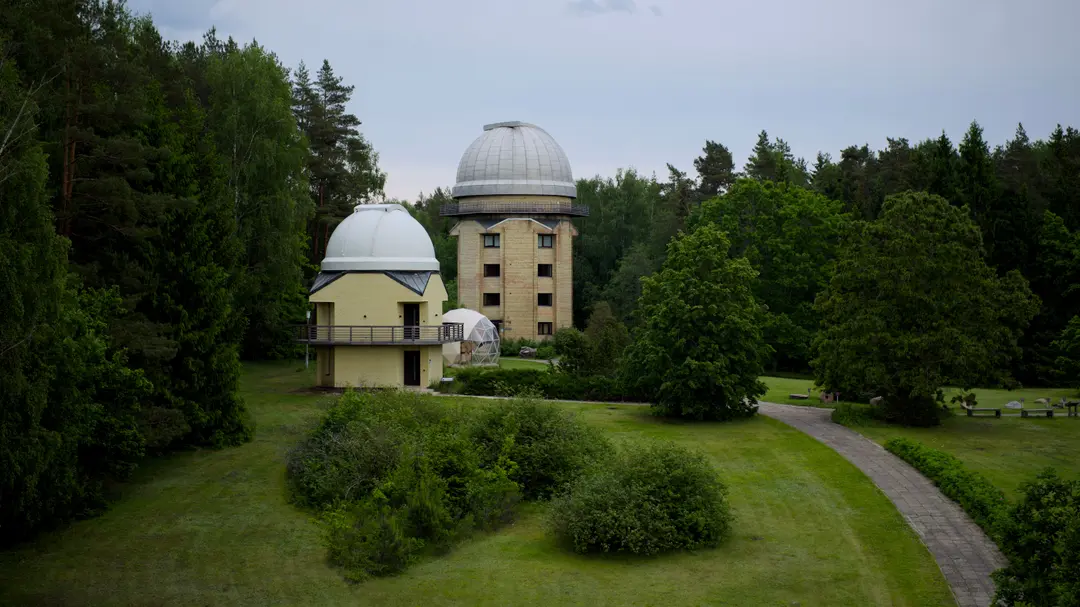
Dr Kazimieras Černis, a researcher at the Institute of Theoretical Physics and Astronomy of the Faculty of Physics at Vilnius University (VU), named the asteroid in honour of St. Casimir, the first saint and patron saint of Lithuania. The asteroid was actively observed at various observatories between 2013 and 2019, and its orbit was finally determined in 2024.